
Table Of Contents
—
What Is Slow Travel Lifestyle?
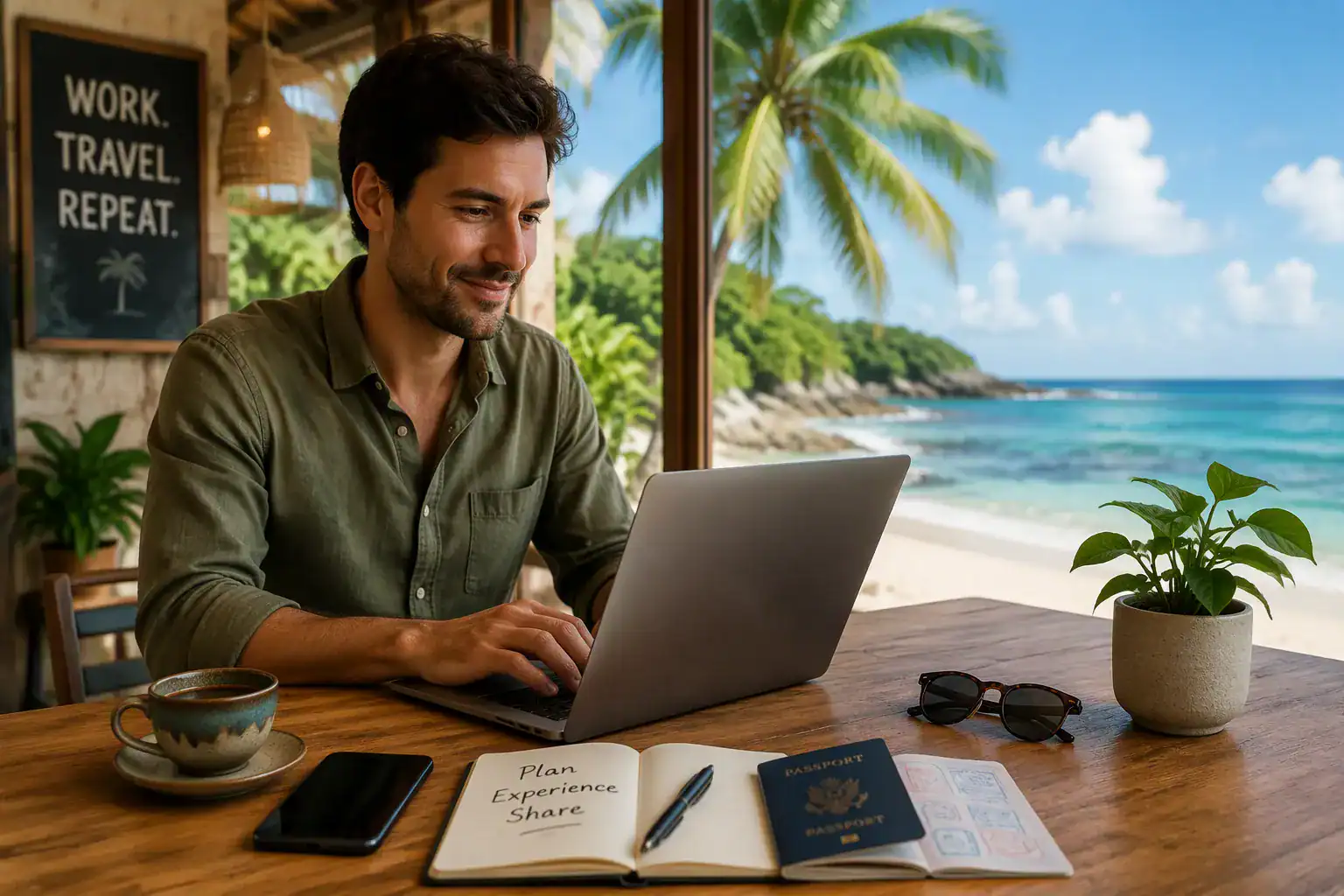
Imagine waking up in a quiet village in Portugal, sipping coffee as you watch the locals open their shops. There’s no rush to catch a train or tick off a checklist. Instead, your laptop is your office, and your curiosity is your guide. This is the slow travel lifestyle—a way of exploring the world that values depth over speed.
Slow travel is not just about moving less. It’s about living more. You spend weeks or even months in one place. You learn the rhythms of a city, form genuine relationships, and let work and adventure blend together. For digital nomads and location-independent professionals, slow travel means freedom with intention. You become part of a place, not just a visitor passing through.

Credit: goodtimemonty.com
How Slow Travel Is Changing Work And Adventure
The world of work is shifting. Remote jobs, freelance gigs, and global teams are now common. But speed-focused travel doesn’t mix well with serious work. That’s why more digital nomads are turning to the slow travel lifestyle.
In 2023, research showed that over 35% of remote workers identify with some form of slow travel. Instead of hopping cities every week, they stay longer and build routines. This approach means you can balance deadlines with discovery. You find the best coffee shops, join local coworking spaces, and even pick up a few phrases of the local language.
Here’s how slow travel is powering a new kind of adventure:
- Work without burnout: Less packing, less transport stress, more focus.
- Deeper local immersion: Understand culture from the inside out.
- Sustainable travel: Fewer flights mean a smaller carbon footprint.
- Cost savings: Monthly rentals and local markets are cheaper than hotels and tourist traps.
- Genuine friendships: Real connections take time—and you finally have it.
As more people choose to work from anywhere, slow travel is no longer a trend. It’s a movement.
The Benefits Of Slow Travel For Digital Nomads
The slow travel lifestyle offers a toolkit for anyone who wants to blend work, adventure, and well-being. Here are the core benefits, each with a practical twist.
1. More Productivity, Less Stress
Fast travel means constant change—new beds, new routes, new routines. That’s exhausting and kills focus. Slow travel lets you create habits and find your groove. You know where to buy groceries, when the Wi-Fi is strong, and how to manage your time.
2. Real Connections With People
It’s hard to make friends in three days. Stay longer, and you’ll find yourself invited to dinners, joining community events, and building relationships. Locals become allies, not just faces.
3. Lower Cost Of Living
Monthly rentals and local shopping save money. According to Nomad List’s 2023 survey, slow travelers spend 20-40% less per month compared to fast travelers. You also avoid costly tourist traps.
4. Environmental Impact
Fewer flights and less movement mean a smaller carbon footprint. If you care about the planet, slow travel is the greener choice.
5. Space For Creativity
Staying in one place lets your mind rest and wander. You notice details, write better stories, and get inspired in unexpected ways.
6. Improved Language Skills
Learning a few local phrases is easier when you’re not rushing. Over weeks, you can practice, make mistakes, and actually communicate.
7. Better Health
Cooking at home, regular sleep, and daily exercise become possible. Your body—and mind—thank you.
8. Authentic Experiences
Forget the tourist bucket list. Slow travel lets you find hidden gems, local food, and real culture.
9. Less Travel Burnout
Constant moving wears you down. Slow travel means more energy for both work and play.
10. Flexible Work-life Balance
You can design each day—whether it’s a sunrise surf, a focused work sprint, or a long lunch with friends.
Building Your Own Slow Travel Routine
Starting a slow travel lifestyle isn’t complicated, but it does take intention. Here’s how to design a routine that fits work and play.
1. Choose Destinations With Good Infrastructure
Prioritize places with reliable Wi-Fi, coworking spaces, and safe neighborhoods. Cities like Chiang Mai, Medellín, and Lisbon are digital nomad favorites for a reason.
2. Settle In—don’t Just Arrive
Spend your first week exploring your neighborhood. Find your favorite café, the nearest grocery store, and a good gym or park. Routine helps productivity.
3. Plan Work Blocks And Adventure Time
Block out work hours so you don’t end up working all day or missing out on experiences. Use local events as rewards after focused work sprints.
4. Connect Locally
Join meetups, coworking spaces, or hobby groups. Apps like Meetup and Facebook Groups make it easy to find communities.
5. Track Your Budget
Use apps like Trail Wallet or YNAB to keep spending in check. Slow travel can be affordable, but only if you’re intentional.
6. Give Yourself Time To Adjust
Jet lag, culture shock, and new environments take time. Be patient with yourself as you settle in.
Non-Obvious Insight: Many slow travelers find that staying at least one full month in a location is the sweet spot for both productivity and connection. Anything less can feel rushed.
Financial Planning For The Slow Traveler
Money matters. The freedom of the slow travel lifestyle depends on smart financial planning. Here’s how to make your money work for you.
1. Understand Your True Cost Of Living
Slow travelers often save by renting longer-term and living like a local. But costs vary by country and city. Here’s a snapshot:
| City | Monthly Rent (1BR) | Groceries (Monthly) | Coworking (Monthly) |
|---|---|---|---|
| Chiang Mai | $350 | $140 | $90 |
| Lisbon | $900 | $220 | $180 |
| Medellín | $450 | $170 | $100 |
2. Diversify Your Income
Don’t rely on one client or gig. Multiple income streams—like freelance work, teaching online, or investing—give you flexibility.
3. Emergency Fund
Keep at least 3-6 months of expenses in savings. Emergencies happen—a flight cancellation, sudden illness, or lost work.
4. Use Travel-friendly Banking
Choose banks with low international fees, virtual cards, and solid online support. Wise and Revolut are popular with nomads.
5. Track And Optimize
Review your spending monthly. Adjust your budget for each new location.
Non-Obvious Insight: Slow travelers who combine housing with coworking (coliving spaces) often save 10-20% compared to booking separately—and gain built-in community.
For more on managing money abroad, check out our guide to financial planning for digital nomads.

Credit: www.indonesia.travel
Productivity And Focus While You Travel Slow
Freedom is awesome, but distractions are everywhere. Here’s how slow travelers protect focus—and get work done.
1. Set Up A Work Zone
Find a coworking space, a quiet café, or a dedicated corner in your apartment. Keep your workspace tidy and inspiring.
2. Use Remote Work Tools
Apps like Trello, Slack, and Notion help you track projects, communicate, and stay organized. Cloud storage is a must.
3. Establish A Routine
Start and end your workday at the same time. Use rituals—like a morning walk or coffee break—to signal “work mode. ”
4. Limit Multitasking
Don’t try to see the city and answer emails at the same time. Block focus periods for work, then switch to exploration.
5. Take Real Breaks
A short walk, a swim, or a quick yoga session boosts energy and creativity.
6. Set Boundaries With Clients
Communicate your time zone and availability. Over-communication is better than being “always on. ”
7. Track Your Progress
Use tools like RescueTime or Toggl to see where your hours go.
Pro Tip: When you travel slow, you’re less likely to fall into the trap of “productivity guilt” that hits fast-moving nomads. You can work hard and play hard—without burning out.
For more tips, see our guide to remote work tools and productivity.
Slow Travel Vs. Fast Travel: A Data-driven Comparison
How does slow travel stack up against the classic “see it all” approach? Let’s compare.
| Factor | Slow Travel | Fast Travel |
|---|---|---|
| Average Stay (per city) | 1-3 months | 3-7 days |
| Monthly Spend | $1,200-$1,800 | $1,700-$2,400 |
| Work Productivity | High | Low to Medium |
| Local Friendships | Many | Few |
| Environmental Impact | Lower | Higher |
| Burnout Risk | Low | High |
The data is clear: if your goal is work-life balance, authentic experiences, and well-being, slow travel wins.
Top Destinations For The Slow Travel Lifestyle
Some places just “click” for slow travelers. Here are top picks for digital nomads, with the right mix of comfort, adventure, and community.
1. Chiang Mai, Thailand
A classic digital nomad city. Affordable, safe, and packed with coworking spaces. The food scene is legendary, and there’s a strong expat community.
2. Lisbon, Portugal
Sunny weather, ocean views, and great Wi-Fi. Lisbon is creative, walkable, and known for its vibrant startup scene.
3. Medellín, Colombia
“The City of Eternal Spring. ” Mild weather, affordable living, and a welcoming vibe. Coworking spaces and language schools abound.
4. Bali, Indonesia
From Ubud’s rice terraces to Canggu’s surf and cafés, Bali is a slow travel paradise. Coliving and coworking are everywhere.
5. Tbilisi, Georgia
A rising star for location independence. Visa-free for many, low costs, and a unique culture. Mountains and wine country nearby.
6. Mexico City, Mexico
Art, history, and world-class food. Mexico City blends big-city energy with neighborhood charm.
7. Budapest, Hungary
Stunning architecture, river views, and top-notch cafés. The cost of living is low, and the city is digital nomad friendly.
8. Cape Town, South Africa
Mountains, beaches, and adventure. Cape Town offers great value, a buzzing creative scene, and endless outdoor activities.
9. Ho Chi Minh City, Vietnam
Fast Wi-Fi, a growing tech scene, and street food heaven. Affordable and energetic.
10. Valencia, Spain
Beach city with a relaxed vibe, excellent weather, and plenty of coworking spots.
Pro Tip: Always check visa rules, safety, and health care before you go. Long-term stays often require special visas.
Common Challenges And How To Overcome Them
The slow travel lifestyle is rewarding but not without hurdles. Here’s how to tackle common issues.
1. Loneliness
Solution: Join coworking spaces, attend local events, and connect with other travelers. Online communities like Nomad List or Facebook groups are helpful.
2. Visa And Legal Issues
Solution: Research visa rules before you go. Some countries offer special remote work visas. Keep digital and paper copies of key documents.
3. Internet Reliability
Solution: Always have a backup (mobile data hotspot or SIM card). Check Wi-Fi reviews before booking accommodation.
4. Staying Motivated
Solution: Set clear goals, share them with a friend, or join accountability groups. Mix work with fun.
5. Health Care Abroad
Solution: Buy global health insurance. Know the nearest clinics and pharmacies.
6. Tax Complications
Solution: Consult a tax expert familiar with remote work and international living.
Non-Obvious Insight: Many slow travelers underestimate how draining constant decision-making can be (where to eat, work, or sleep). Creating routines early reduces “decision fatigue.”
Essential Tools For Slow Travel Success
Having the right tools makes slow travel smoother and more enjoyable. Here are essentials:
1. Reliable Laptop And Chargers
Your work depends on your tech. Invest in lightweight, durable gear.
2. Remote Work Tools
- Slack for team chat
- Zoom for meetings
- Trello or Asana for tasks
- Google Drive for file sharing
3. Travel Insurance
World Nomads, SafetyWing, and other providers cover health, theft, and travel issues.
4. Banking Apps
Wise, Revolut, and Monzo help manage money globally.
5. Language Apps
Duolingo, Google Translate, and Memrise help you connect and navigate.
6. Coworking Finder Apps
Use Coworker.com to locate top spots worldwide.
7. Vpn
Protect your privacy and access content securely.
8. Productivity Trackers
RescueTime, Freedom, and Focus@Will help you stay on track.
9. Offline Maps
Download Google Maps or Maps. me for exploring without data.
10. Community Platforms
Platforms like Nomad List and Break Outwards connect you to like-minded travelers.
For more, see our deep dive on remote work tools and coworking.
Community, Connection, And The Future Of Slow Travel
Slow travel isn’t just about “where” you go—it’s about “who” you become along the way. The community is the heart of this lifestyle. As more people embrace location independence, new hubs, events, and support networks are growing.
In 2023, remote work communities doubled in size. More than ever, digital nomads value connection—both online and offline. Coworking and coliving spaces blend work, play, and friendship. Meetups, masterminds, and retreats help travelers learn, grow, and support one another.
The future? More flexibility, more adventure, and more people saying, “The world is our office. Curiosity is our currency. ” If you’re ready to write your own story, the slow travel lifestyle is waiting.
For more ideas and inspiration, check out Wikipedia’s guide to the slow movement.
—

Credit: www.youtube.com
Frequently Asked Questions
What Is The Main Difference Between Slow Travel And Traditional Tourism?
Slow travel is about staying longer, connecting deeper, and living like a local. Traditional tourism is often fast-paced, focusing on seeing as much as possible in a short time. Slow travel means less rush and more real-life experience.
How Do I Meet People When Traveling Slow?
Join coworking spaces, attend local events, or use online platforms like Meetup. Making genuine connections takes time, but slow travel gives you the chance.
Is The Slow Travel Lifestyle Expensive?
It can be affordable if you plan well. Monthly rentals, local shopping, and fewer transport costs help keep budgets lower than fast travel.
What Jobs Are Best For The Slow Travel Lifestyle?
Remote jobs like writing, design, programming, teaching, and consulting fit well. The key is being able to work from anywhere with good internet.
How Do I Stay Productive While Traveling?
Set a routine, use remote work tools, and create a clear workspace. Slow travel gives you the stability to focus and get things done.
—
Call To Action: Start Your Slow Travel Journey
Are you ready to swap speed for substance? The slow travel lifestyle is your gateway to deeper adventures, lasting friendships, and true freedom. Whether you’re a digital nomad, a remote worker, or just a curious soul, now is the time to explore at your own pace.
Let work and wanderlust blend. Make the world your office. If you want more tips, stories, and resources, join the movement at [Break Outwards](https://breakoutwards.com). The world is waiting—and curiosity is your currency.