
Meta Description:
Discover the exciting world of digital nomad families—how they live, work, travel, educate, and thrive together. Practical tips, real data, and inspiration for your journey.
URL Slug:
Digital-nomad-families
Primary Keyword:
Digital Nomad Families
Secondary Keywords:
Family Travel, Remote Work, Worldschooling
WordPress Tags:
Digital nomad, family travel, remote work, worldschooling, education, parenting, coworking, productivity, travel tips, community
—
Table Of Contents
- What Are Digital Nomad Families?
- Why Families Choose the Digital Nomad Life
- Planning the Journey: Preparing for Life on the Road
- Work and Productivity for Digital Nomad Families
- Education on the Move: Worldschooling and Homeschooling
- Housing and Accommodation Options
- Building Community and Social Life
- Health, Safety, and Wellbeing
- Budgeting and Financial Planning for Nomad Families
- Top Destinations for Digital Nomad Families
- Common Challenges and How to Overcome Them
- Essential Tools and Resources
- Frequently Asked Questions
- Ready to Break Outwards?
—
What Are Digital Nomad Families?
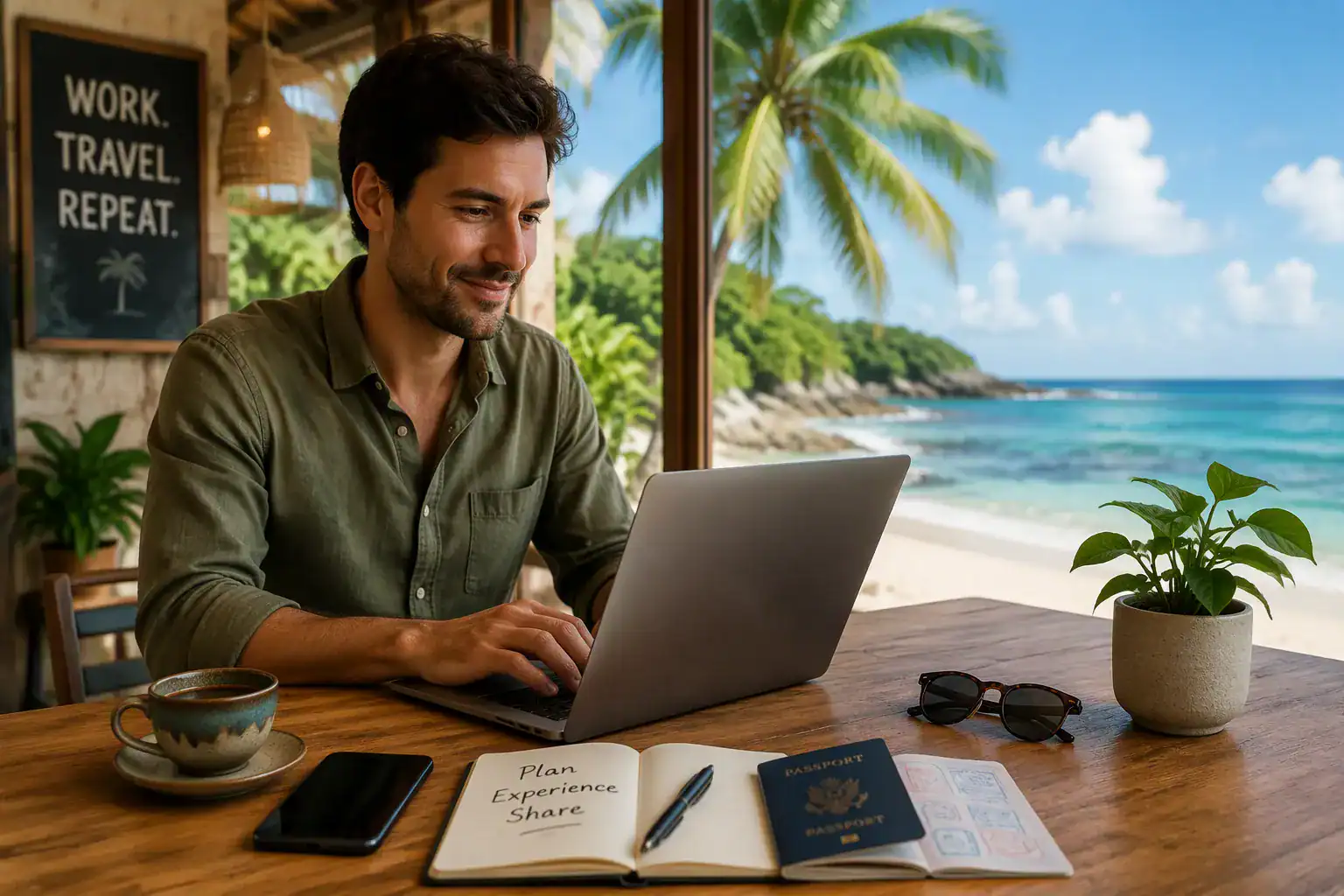
Digital nomad families are redefining what it means to work, learn, and grow together. Instead of following a traditional routine, these families choose to travel the world, working remotely and raising their children with a global mindset. Each member—parents and kids—adapts to new places, cultures, and experiences while keeping up with education and work.
The digital nomad lifestyle is no longer just for solo adventurers or couples. According to a 2023 MBO Partners study, 16.9 million Americans now identify as digital nomads—and families are a fast-growing part of this movement. As technology breaks down borders, the idea that “the world is our office” is more possible than ever.

Credit: travelynnfamily.com
Why Families Choose The Digital Nomad Life
Every digital nomad family has a story. For some, it’s about freedom. For others, it’s about adventure or creating stronger bonds. Here’s why more families are choosing this lifestyle:
- Flexible Schedules: Parents can work when they want. Kids learn at their own pace.
- Cultural Immersion: Living in new countries exposes children to languages, customs, and ideas.
- Stronger Family Bonds: Shared adventures can deepen connections.
- Work-Life Balance: No more long commutes or rigid routines.
- Personal Growth: Both adults and kids become more adaptable, open-minded, and resilient.
Many parents see travel as the best education. Children learn not just from books, but from real-world experiences—whether it’s counting change in a Thai market or exploring ancient ruins in Mexico.
Non-obvious insight: Some families find their children become more independent and confident as they solve problems on the road.
Planning The Journey: Preparing For Life On The Road
The leap from a “normal life” to one on the move isn’t easy. Planning is everything. Here’s how successful digital nomad families prepare:
Setting Goals
Start with intentional planning. Ask:
- What do we want from this lifestyle—more time together, cultural exposure, adventure?
- How will we balance work, learning, and fun?
Write your answers down. They’ll guide your decisions.
Sorting Out Work
Can your job go remote? If not, consider:
- Freelancing
- Starting an online business
- Teaching English online
- Consulting
Some parents even create their own businesses on the road.
Schooling Options
Research worldschooling, homeschooling, and online learning platforms. Check legal requirements for your home country.
Health And Insurance
Travel insurance is a must. Make sure it covers:
- Medical emergencies
- Routine care
- Adventure activities
Some nomad families use international health plans designed for expats.
Simplifying Belongings
Sell, donate, or store what you don’t need. Pack light but smart—think layers and versatile gear.
Managing Finances
Open international-friendly bank accounts. Set up low-fee cards. Make a budget for travel, emergencies, and fun.
Pro tip: Talk to a financial planner with expat or remote work experience.
Work And Productivity For Digital Nomad Families
Balancing work and family is tricky—especially when you’re changing locations. But with the right strategies, you can stay productive and present.
Finding Focus
- Use coworking spaces or coffee shops for quiet time.
- Try time-blocking—set work hours and stick to them.
- Share a family calendar for everyone’s activities.
Coworking Spaces
Many cities now offer family-friendly coworking spaces. Some even have play areas or child care, letting parents focus while kids play or learn nearby.
Remote Work Tools
Stay connected with:
- Project management apps (Trello, Asana)
- Video calls (Zoom, Google Meet)
- Cloud storage (Google Drive, Dropbox)
Non-obvious insight: Stable internet is not always a given. Always check Wi-Fi speeds before booking accommodation.
Managing Expectations
Let clients or employers know about your travel lifestyle. Set clear availability times, and always have a backup way to get online.
Explore more: Dive deeper into remote work tools and strategies in our dedicated guides.
Education On The Move: Worldschooling And Homeschooling
Digital nomad families often choose alternative education paths. The two most popular are worldschooling and homeschooling.
What Is Worldschooling?
Worldschooling means using the world as your classroom. Kids learn from museums, markets, nature, and people. Lessons are often hands-on and follow the family’s journey.
Homeschooling And Online Schools
Some families follow their home country’s curriculum online. Others use international programs or create their own mix.
Popular Learning Platforms
- Khan Academy
- Outschool
- Duolingo
- Time4Learning
Socialization And Activities
Kids join local classes, sports, or online groups. Many families meet up with others for field trips and playdates.
Legal Requirements
Check the education laws for your home country. Some require regular reports or registration.
Data Table: Education Methods Comparison
| Education Method | Structure | Flexibility | Socialization | Common Tools |
|---|---|---|---|---|
| Worldschooling | Unstructured | High | Local/global meetups | Trips, museums, nature |
| Homeschooling | Structured | Moderate | Online groups | Khan Academy, Outschool |
| Online School | Highly structured | Low | Virtual classmates | Virtual classrooms |
Real-world tip: Mix and match methods to fit your kids’ needs and your travel plans.
Housing And Accommodation Options
Where you stay shapes your experience. Digital nomad families have many choices:
Short-term Rentals
Platforms like Airbnb and Vrbo offer apartments and houses with kitchens, laundry, and space for everyone.
Long-term Stays
Some families slow down, renting a home for several months to build routine and community.
House-sitting
Watch someone’s home and pets in exchange for free accommodation—great for longer stays.
Family-friendly Coworking/coliving
Some coliving spaces cater to families, offering shared kitchens, playrooms, and even tutors.
Data Table: Accommodation Types
| Type | Best For | Pros | Cons |
|---|---|---|---|
| Short-term rental | Flexibility | Private space, amenities | Can be costly |
| House-sitting | Long stays | Low cost, unique homes | Responsibility for pets/home |
| Coliving | Community | Social life, shared costs | Less privacy |
Insider tip: Book accommodation with a flexible cancellation policy—plans can change fast.
Building Community And Social Life
One worry for digital nomad families is isolation. But a vibrant community awaits, both online and in real life.
Finding Your Tribe
- Join digital nomad and family Facebook groups
- Attend meetups and conferences (like 7in7 or Family Adventure Summit)
- Use apps like Meetup and Couchsurfing
Local Connections
Enroll your kids in local classes or sports. Join local parenting groups. Eat at neighborhood spots to meet families.
Online Support
There are active online communities where families share tips, swap stories, and arrange meetups. Some favorites:
- Worldschoolers Facebook group
- Nomad Together
- Remote Families Slack
Unexpected perk: Kids often make friends faster than adults—leading to deep connections for the whole family.
Health, Safety, And Wellbeing
Your family’s health and safety matter most when far from home. Preparation is key.
Travel Insurance
Never travel without comprehensive travel insurance. Check for:
- Worldwide coverage
- Routine and emergency care
- Telehealth options
Vaccinations And Health Checks
Stay up to date on vaccines. Some countries require proof for entry. Schedule check-ups before you leave.
Staying Safe
- Research local safety, weather, and healthcare before arriving
- Save embassy/consulate numbers
- Teach kids basic safety in new places
Mental Health
Travel can be stressful. Keep routines, talk openly about feelings, and build in rest days.
Pro tip: Use meditation or mindfulness apps as a family to manage stress.
Budgeting And Financial Planning For Nomad Families
Smart money management lets you travel longer and with less stress. Here’s how digital nomad families keep their finances on track:
Create A Realistic Budget
List expected costs:
- Accommodation
- Food
- Transport
- Insurance
- Schooling/activities
- Emergencies
Track spending with apps like Trail Wallet or YNAB.
Income Streams
- Remote jobs
- Freelance gigs
- Online businesses
- Investments
Banking And Payments
Choose banks with low international fees. Use apps like Wise or Revolut for transfers.
Taxes
Tax rules are complex. Consult an accountant who understands expat taxes and remote work.
Data Table: Monthly Cost Comparison (popular Cities)
| City | Monthly Cost (Family of 4, USD) | Accommodation | Food | Internet |
|---|---|---|---|---|
| Chiang Mai | $2,000 | $800 | $400 | $30 |
| Lisbon | $3,200 | $1,500 | $600 | $35 |
| Mexico City | $2,700 | $1,000 | $600 | $25 |
Overlooked step: Set aside a “go home” fund for emergencies.

Credit: edition.cnn.com
Top Destinations For Digital Nomad Families
Some places are especially welcoming for digital nomad families. Here are favorites:
- Chiang Mai, Thailand: Low cost, friendly community, great food, international schools.
- Bali, Indonesia: Family-friendly coworking, beautiful beaches, worldschooling hubs.
- Lisbon, Portugal: Safe, sunny, good healthcare, easy European access.
- Mexico City, Mexico: Culture, affordable living, active expat scene.
- Barcelona, Spain: Great weather, parks, history, and food.
- Prague, Czech Republic: Beautiful, family-friendly, strong expat network.
- Tbilisi, Georgia: Visa-free for many, affordable, rising digital nomad community.
- Medellín, Colombia: Eternal spring weather, coworking, family activities.
- Hoi An, Vietnam: Quiet, safe, strong community, beautiful nature.
- Cape Town, South Africa: Stunning views, outdoor life, diverse cultures.
Each city offers coworking spaces, international schools, and lively communities. Always check local visa rules before your journey.
Non-obvious insight: Some countries, like Portugal and Georgia, offer special visas for remote workers and their families.
Common Challenges And How To Overcome Them
Life on the road isn’t always easy. Here’s how seasoned digital nomad families handle common hurdles:
1. Unstable Internet
- Always check Wi-Fi speeds before booking
- Keep a SIM card or portable hotspot handy
2. Visa Issues
- Research visa requirements for every country
- Look for family-friendly long-stay visas
3. Loneliness
- Make joining local or global family groups a priority
- Organize regular meetups
4. Work-life Balance
- Set clear work and family hours
- Take regular breaks to explore together
5. Schooling Uncertainty
- Carry backup learning materials (books, tablets)
- Connect with other worldschoolers for support
6. Burnout
- Slow down your travel pace
- Take “staycations” to rest and recharge
Pro tip: Embrace flexibility. Plans often change, and that’s part of the adventure.
Essential Tools And Resources
The right tools make digital nomad life smoother. Here are essentials:
- Remote work tools: Trello, Slack, Zoom
- Learning platforms: Khan Academy, Outschool, Duolingo
- Travel insurance: SafetyWing, World Nomads
- Budgeting apps: Trail Wallet, YNAB
- Community groups: Worldschoolers, Nomad Together
- Coworking finders: Coworker.com, Croissant
- Accommodation: Airbnb, TrustedHousesitters, Booking.com
For more on tools, see our guide to remote work tools and productivity.
Frequently Asked Questions
How Do Digital Nomad Families Educate Their Children?
Most use a mix of worldschooling, homeschooling, and online learning platforms. Some follow a formal curriculum, while others focus on experiential learning through travel and cultural immersion.
Is It Safe For Families To Live As Digital Nomads?
With good planning, most families find it safe. Research destinations, have good insurance, keep emergency contacts, and teach kids basic safety routines.
How Do Digital Nomad Families Make Money?
They work remotely in fields like IT, design, writing, consulting, and teaching. Some run online businesses, freelance, or invest. Multiple income streams add security.
What About Socialization For Kids?
Kids join local classes, sports, and meetups. Many families connect with other nomads, forming strong friendships. Online groups also help kids stay in touch.
Which Are The Most Popular Destinations For Digital Nomad Families?
Top choices include Chiang Mai, Bali, Lisbon, Mexico City, and Barcelona. These cities offer affordable living, good internet, and strong communities.

Credit: www.bbc.com
Ready To Break Outwards?
For digital nomad families, the world is not just a destination—it’s a classroom, a playground, and a home. Curiosity fuels every step, and each new place brings fresh lessons and friendships. The journey isn’t always smooth, but the rewards—freedom, growth, and connection—are worth it.
So, are you ready to turn the world into your office and curiosity into your currency? Join the global movement and connect with fellow explorers at Break Outwards. Your adventure starts now.