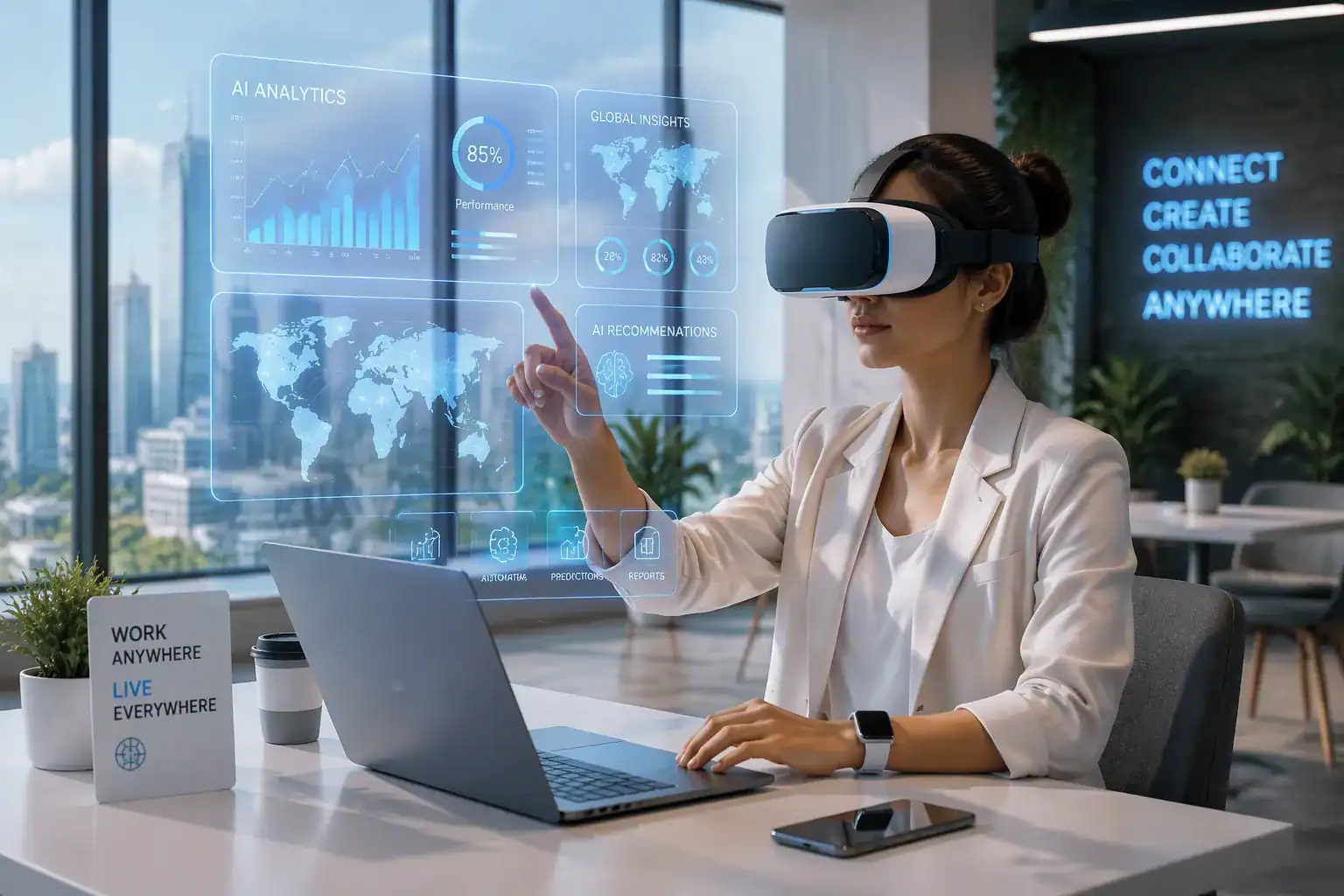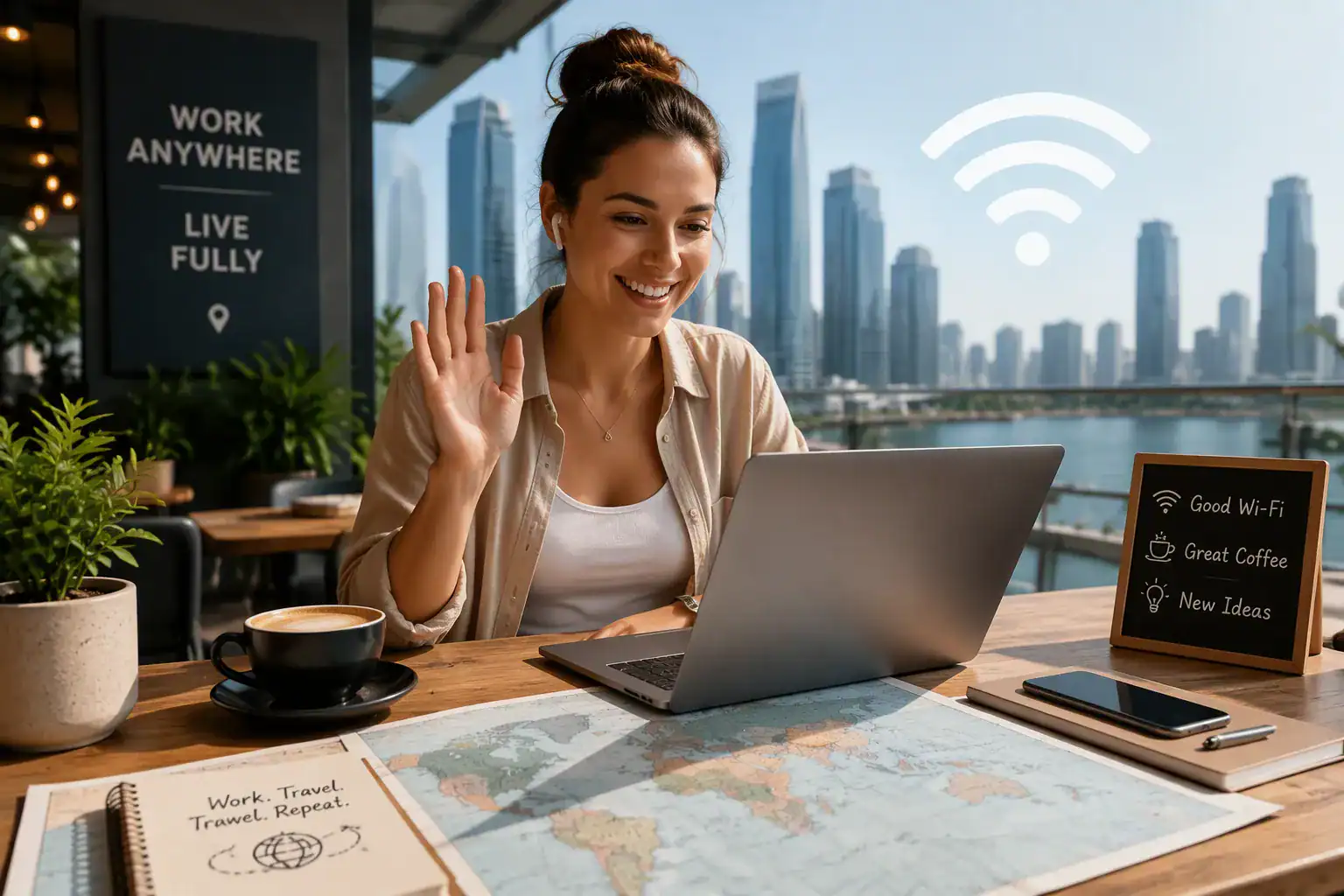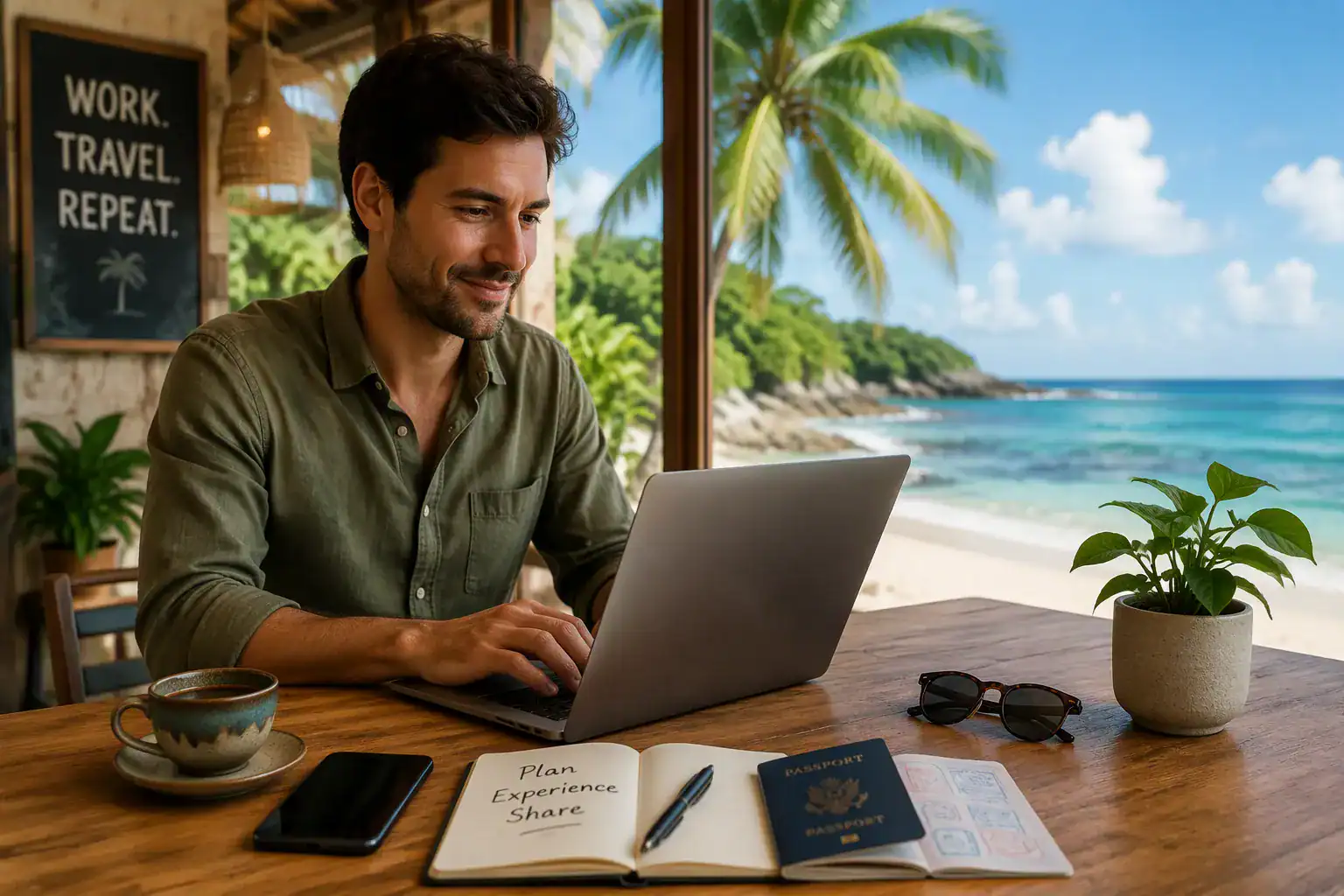
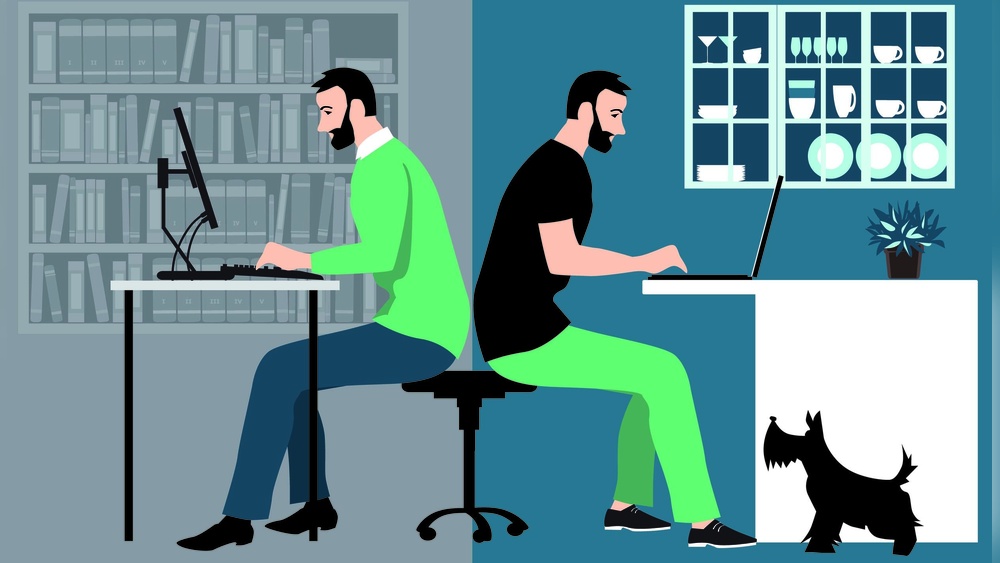
Remote work and the classic office job have become two very different paths. Both have their passionate supporters, and both come with real advantages and clear challenges. As more companies try to decide between a return to office or sticking with remote work, the debate has never been hotter. If you’re a digital nomad—or thinking about becoming one—this choice shapes your daily life, your career growth, and your sense of freedom. Let’s explore the trade-offs, the hidden details, and what the latest data says, so you can choose the best option for your lifestyle.
How We Got Here: The Shift In Workplaces
Just a few years ago, most people worked in offices. You commuted, sat at your desk, and met your team face-to-face. The COVID-19 pandemic changed that overnight. Suddenly, millions of people worked from home, connecting with their teams through Zoom or Slack.
Many digital nomads—who once felt rare—became part of a global trend.
A 2023 report from McKinsey found that 58% of Americans now have the option to work remotely at least one day per week. For tech, marketing, and creative jobs, the number is even higher. But as the world reopens, companies are divided: some want workers back in the office, while others see remote work as the future.
Understanding Return To Office
The phrase return to office (RTO) means going back to a shared, physical workspace. This might be five days a week, or just a few. For digital nomads, this often means giving up flexibility and, sometimes, even moving back to a city or country where their employer is based.
Why Companies Want Rto
Many leaders believe that in-person work leads to:
- Stronger teamwork: Quick chats and face-to-face meetings can solve problems faster.
- Company culture: Shared spaces build a sense of belonging.
- Easier supervision: Managers can see what’s happening and help quickly.
Jamie Dimon, CEO of JPMorgan Chase, said, “Remote work does not work for young people or those who want to hustle. ” This shows the belief that physical presence equals stronger results.
The Pushback
Not everyone agrees. Many workers, especially digital nomads and tech professionals, say they’re more productive at home or on the road. They argue that open-plan offices are full of distractions. Plus, not everyone wants to move back to expensive cities just to work in an office.
What Remote Work Really Means
Remote work allows you to do your job from almost anywhere: home, a coffee shop, or even another country. For digital nomads, this is the foundation of their lifestyle. They pick their location, set their own hours, and often feel a greater sense of control.
Key Benefits For Digital Nomads
- Location freedom: Work from Bali, Barcelona, or your hometown.
- Flexible schedule: Take breaks when you want, work at your peak hours.
- Lower costs: No commuting, and you can live in places with a lower cost of living.
- Work-life balance: Easier to make time for family, hobbies, and travel.
But remote work is not perfect. Some people miss the structure and social side of the office. Others find it hard to “switch off” at the end of the day.
Comparing Return To Office And Remote Work
Let’s look side-by-side at how RTO and remote work affect key parts of your professional and personal life.
| Factor | Return to Office | Remote Work |
|---|---|---|
| Collaboration | Easy in-person, spontaneous chats | Scheduled calls, digital tools |
| Productivity | Higher for some, lower for others (distractions) | Often higher, but risks isolation |
| Commute | Often long, costly, tiring | No commute; more free time |
| Flexibility | Set hours, less flexibility | Work anytime, anywhere |
| Career Growth | More visibility, easier mentoring | Requires proactive communication |
| Costs | Travel, meals, office attire | Lower costs, but may need home office setup |
Real World Example
Consider Laura, a digital marketer. In the office, she loved chatting with her team and brainstorming over coffee. But her commute took two hours daily. Once her job went remote, she moved to Lisbon, worked from co-working spaces, and started surfing before work.
Her productivity soared, but she sometimes missed the spontaneous creativity of the office.

Credit: emag.directindustry.com
Productivity: Myths And Realities
Is remote work really more productive? The answer isn’t simple.
A 2022 study by Stanford found that remote workers are 13% more productive than their office counterparts. They take fewer breaks, have fewer sick days, and get more done. But the same study showed that workers who felt isolated or distracted at home were less productive.
Common Productivity Challenges
- Home distractions: Kids, chores, or noisy neighbors can break focus.
- Overwork: Without a clear end to the workday, some people burn out.
- Communication gaps: Misunderstandings are easier when you aren’t face-to-face.
Solutions That Work
- Set clear work hours and stick to them.
- Use tools like Slack, Asana, or Trello to track tasks.
- Create a dedicated workspace, even if it’s just a corner of your room.
- For digital nomads, try working from co-working spaces. These offer reliable Wi-Fi, a professional environment, and a chance to meet other remote workers.
Collaboration And Team Dynamics
Building strong teams takes effort—no matter where you work. Offices make it easy to grab lunch together or have a quick chat. Remote teams have to be more intentional.
How Remote Teams Stay Connected
- Regular video calls: Weekly check-ins keep everyone aligned.
- Async communication: Tools like email, Slack, or Loom let you share updates on your own time.
- Virtual social events: Online coffee breaks or games help build team spirit.
Many digital nomads join online communities or attend meetups in their city. This fills the social gap and helps them feel less isolated.
Hybrid Models: The Best Of Both?
Some companies offer a hybrid model—a mix of remote and office work. You might work from home most days, but come in for important meetings or team events. This can give you flexibility without losing touch with your team.
Company Culture: Does Location Matter?
Company culture is about shared values, rituals, and trust. Some leaders worry that remote work makes culture weaker. But culture is more than just office perks or Friday pizza. It’s about how people treat each other and how decisions are made.
Remote companies often:
- Write down their values and ways of working.
- Use regular check-ins and feedback to stay connected.
- Trust their employees to do great work, wherever they are.
Some all-remote companies, like GitLab and Automattic, have strong, positive cultures. They prove that culture can thrive—even across continents.
Work-life Balance: Which Model Wins?
Work-life balance is often better with remote work. You can design your day to suit your energy, family needs, or travel plans. Digital nomads say this is one of the biggest advantages.
But there’s a hidden trap: it’s easy to work too much when your office is always nearby. Surveys show that over 40% of remote workers struggle to unplug at the end of the day. Setting boundaries is critical.
In contrast, office jobs give you a clear start and end to your day. When you leave the building, work often stays behind.
Non-obvious Insight: Micro-breaks Matter
One thing many beginners miss: micro-breaks. In an office, you naturally get up to chat or walk to a meeting. At home, it’s easy to sit for hours. Schedule short breaks to move, stretch, or just step outside. This keeps your mind sharp and your body healthy.

Credit: www.youtube.com
Costs: Who Really Saves Money?
Both workers and companies can save money with remote work. No need for large offices, less money spent on commuting, and fewer business trips. Digital nomads can choose cities with a lower cost of living, stretching their income further.
But don’t forget hidden costs:
- Home office setup: Good chair, desk, and fast internet.
- Travel visas: For nomads, moving countries can mean extra fees.
- Health insurance: Coverage might change if you move abroad.
For companies, office space in big cities is expensive. Some are shifting savings into better tech or employee perks.
Career Growth And Networking
One fear about remote work is that it can slow your career. In an office, you meet more people, get noticed, and hear about new projects. Mentoring happens naturally.
Remote workers need to be proactive:
- Ask for feedback: Schedule regular check-ins with your manager.
- Show your work: Share updates often, so your achievements are visible.
- Network online: Join industry groups, attend webinars, or use LinkedIn to connect.
Digital nomads can turn travel into a networking opportunity by attending local meetups or conferences in new cities. The network you build can be truly global.
Data Table: Career Impact Factors
Here’s a look at factors that influence career growth in both models.
| Factor | Office-Based | Remote/Nomad |
|---|---|---|
| Mentoring | Easy, informal | Needs planning, formal calls |
| Promotions | Visible, in-person | Must self-advocate |
| Networking | Local, company events | Global, online & in-person |
| Learning | Workshops, on-site training | Online courses, self-driven |
Security And Legal Issues
Working from anywhere sounds perfect, but there are risks. Digital nomads must be careful with data security. Public Wi-Fi can be unsafe, and different countries have different rules about work visas and taxes.
Key Points To Remember
- Use a VPN when working from cafes or co-working spaces.
- Check visa and tax rules before moving to a new country.
- Companies may require you to work from approved locations for legal reasons.
Environmental Impact
Remote work can help the environment. With fewer people commuting, there’s less traffic and pollution. Office buildings use a lot of energy—lighting, heating, air conditioning. By working from home or co-working spaces, companies can reduce their carbon footprint.
A 2021 study by Global Workplace Analytics estimated that if everyone who could work remotely did so half the time, it would save 54 million tons of greenhouse gases each year in the US alone.
But digital nomads should consider the impact of frequent air travel. Try to stay longer in one place, use trains or buses, and choose eco-friendly accommodations when possible.
What Matters Most? Choosing Your Path
If you’re deciding between a return to office or remote work, think about:
- Your job: Some roles need in-person teamwork. Others are fine solo.
- Your personality: Do you crave social time, or do you like quiet focus?
- Your goals: Is flexibility more important, or do you want fast career growth?
- Your lifestyle: For digital nomads, remote work is almost always a better fit.
Remember: no model is perfect for everyone. Some people thrive in busy offices. Others do their best work by the beach. The key is to choose the environment that helps you grow, stay healthy, and feel happy.
Non-obvious Tips For Digital Nomads
- Test first: Try remote work from your hometown before going abroad. This helps you find your rhythm and spot any issues early.
- Time zones matter: If your company is in New York and you’re in Bali, you may need to work odd hours. Be realistic about what you can handle.
- Local networks: Join digital nomad groups in your city. You’ll get tips on housing, visas, and the best co-working spots.
- Backup plans: Always have a Plan B for internet or power outages. A mobile hotspot or a list of nearby co-working spaces can save the day.
- Stay visible: Out of sight shouldn’t mean out of mind. Keep your manager updated, join company chats, and offer ideas—even from afar.
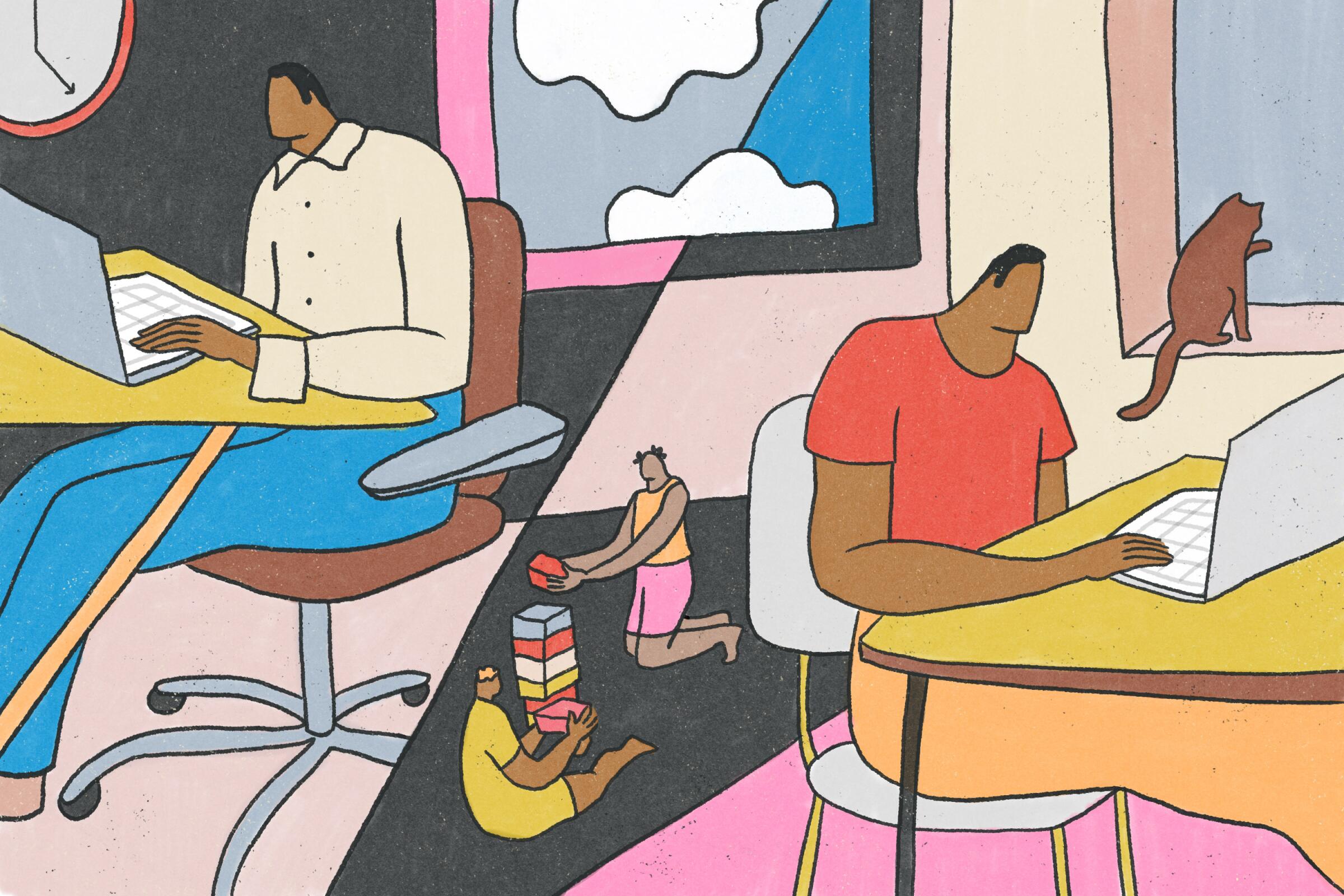
Credit: www.latimes.com
Trends: What Does The Future Hold?
Experts predict that hybrid work will become the norm. Few companies will require everyone in the office, every day. Instead, teams will mix remote and in-person work, using the office for collaboration and remote days for focused tasks.
For digital nomads, the future looks bright. More companies are offering work-from-anywhere policies, and countries are launching special digital nomad visas. But there will still be jobs that require a local presence.
According to a 2023 Gallup poll, 59% of remote-capable workers in the US prefer a hybrid schedule, while only 9% want to return to the office full-time. This signals a huge shift in worker expectations.
For more in-depth statistics and research, see the Wikipedia entry on remote work.
Frequently Asked Questions
What Is The Main Difference Between Remote Work And Return To Office?
The main difference is where you work. Remote work lets you do your job from anywhere—home, a cafe, or another country. Return to office means you work from a shared, physical office space, usually with set hours and regular face-to-face meetings.
Are Remote Jobs Better For Digital Nomads?
Yes, remote jobs are often ideal for digital nomads. They offer location freedom, flexible schedules, and the ability to travel. However, you need to manage time zones, stay connected, and handle legal details like visas and taxes.
Does Remote Work Affect Career Growth?
It can, but not always in a negative way. Remote workers need to be proactive—ask for feedback, show results, and stay visible. Many companies are learning how to support career growth for remote teams, but mentoring and networking may require more effort.
How Do Companies Track Remote Employee Productivity?
Companies use a mix of project management tools, regular check-ins, and clear goals to track productivity. Some use software to monitor work hours, but most successful remote teams focus on results, not just hours worked.
What Should I Consider Before Choosing Between Remote Work And Return To Office?
Think about your job role, personal preferences, career goals, and lifestyle needs. If you value flexibility, travel, and independence, remote work might suit you best. If you enjoy in-person collaboration and structure, returning to the office could be better. Try both if you can, and see which one helps you thrive.
In the end, the choice between return to office and remote work is deeply personal. For digital nomads and those seeking freedom, remote work opens up a world of possibilities. For others, the energy of the office is hard to beat. Take your time, weigh the real pros and cons, and shape your work life to match your dreams.