
Slovenia’s Nomad Visa: Six Months In
Imagine waking up to the sound of church bells echoing through Ljubljana’s old town, sipping coffee by the emerald riverside, then logging in for work surrounded by Alpine peaks. For digital nomads and remote workers, Slovenia’s new Nomad Visa opens the door to this life for up to six months. This article offers a deep dive into the experience: practical steps, pros and cons, costs, and non-obvious details to help you decide if Slovenia is your next destination.
Why Slovenia Attracts Digital Nomads
Slovenia’s location makes it unique. It’s nestled between Italy, Austria, Hungary, and Croatia, offering quick travel to multiple countries. The capital, Ljubljana, is lively yet manageable, full of green spaces and creative energy. The country is known for its safety, clean air, and affordable living compared to Western Europe.
For remote workers, the infrastructure is solid. High-speed internet is standard, coworking spaces are growing, and English is widely spoken, especially among younger locals and in urban centers. The government’s push for innovation and tech, combined with the new visa, signals Slovenia’s welcome to location-independent professionals.
Non-obvious insight: Slovenia’s nomad scene is still emerging. This means less competition for apartments, quieter coworking spaces, and more chances to connect with locals and other nomads. You won’t feel lost in a crowd or forced into a tourist bubble.
Slovenia’s Nomad Visa: The Essentials
The Slovenian Nomad Visa allows remote workers to live and work in Slovenia for up to 6 months. Unlike tourist visas, it’s designed for people earning income from abroad and not taking local jobs.
Who Can Apply?
To qualify, you need to:
- Prove you work remotely (freelancer, entrepreneur, or employee with a foreign company)
- Show steady income (minimum requirement: Around €2,000/month, subject to change)
- Hold health insurance valid in Slovenia
- Have a clean criminal record
Citizens of countries outside the EU/EEA and Switzerland are the main target. EU nationals can already live and work freely in Slovenia.
Application Process
- Gather documents: Passport, proof of remote work, income statements, health insurance, criminal record check.
- Submit application: At a Slovenian embassy or consulate, or sometimes online.
- Wait for approval: Processing can take 4–8 weeks.
- Arrive and register: Once approved, register your address within 3 days of arrival.
Non-obvious tip: Prepare extra copies of all documents. Slovenian authorities may request originals and translated versions (often into Slovene or English).
What The Visa Allows
The visa gives you legal residency for up to 6 months. You can rent apartments, open a local bank account, and access local health care if needed. But you cannot take a job from a Slovenian company or start a local business.
Credit: yesim.app
Living Costs: Slovenia Vs. Other Nomad Hubs
Living in Slovenia is less expensive than Western Europe, but pricier than Southeast Asia or Latin America. Here’s a comparison:
| City | Monthly Rent (1-bed apt) | Coffee | Coworking (per month) | Meal at Restaurant |
|---|---|---|---|---|
| Ljubljana | €650 | €2.20 | €180 | €10 |
| Budapest | €550 | €1.80 | €160 | €8 |
| Barcelona | €900 | €2.50 | €220 | €12 |
| Bali (Canggu) | €400 | €1.50 | €120 | €5 |
Ljubljana sits in the middle—cheaper than Western Europe, more expensive than Asia. Groceries are affordable, and public transport is efficient. Living outside Ljubljana (Maribor, Celje, Koper) is even less expensive.
Where To Stay: Cities And Regions
Most nomads choose Ljubljana for its lively atmosphere and coworking spaces. But Slovenia is small, so you can explore many regions:
- Ljubljana: The capital, full of cafes, coworking spaces, and events.
- Lake Bled: Famous for its scenic beauty—great for weekend escapes.
- Maribor: Second-largest city, quieter, with local charm.
- Koper: Coastal city, mild climate, close to Italy.
Non-obvious insight: Slovenia’s public transport is reliable. You can live in a smaller town and commute to Ljubljana for meetings or events. This flexibility lets you balance work and nature.

Credit: www.cntraveler.com
Coworking Spaces And Digital Infrastructure
Slovenia’s coworking scene is growing, especially in Ljubljana. Here are some popular options:
- Poligon Creative Centre: One of the oldest, known for its community events.
- ABC Hub: Modern, tech-focused, near the city center.
- Regus: Global chain, offers professional amenities.
Most spaces offer fiber-optic internet, meeting rooms, and social events. Outside Ljubljana, coworking spaces are fewer, but cafes often have reliable WiFi.
| Space | City | Monthly Price | Internet Speed | Extras |
|---|---|---|---|---|
| Poligon | Ljubljana | €180 | 200 Mbps | Events, kitchen |
| ABC Hub | Ljubljana | €170 | 150 Mbps | Mentoring, networking |
| Regus | Ljubljana | €200 | 100 Mbps | Global access |
Mobile internet is strong, with prepaid SIMs offering up to 20 GB for €15/month. Coverage is excellent, even in rural areas.
Navigating Life In Slovenia: Practical Tips
Getting Around
Slovenia’s transport system is efficient. Trains and buses connect all major towns. Car rentals are affordable, and roads are well-maintained.
- Train: Fastest for intercity travel. Example: Ljubljana to Maribor (2 hours).
- Bus: Reliable, often cheaper than trains.
- Bicycle: Ljubljana is bike-friendly, with dedicated lanes.
If you want to explore nearby countries, Slovenia’s location helps. Venice, Vienna, and Zagreb are all within 3 hours by train or car.
Healthcare
Slovenia has high-quality healthcare. With the nomad visa, you need private insurance. Emergency care is available, and pharmacies are widespread.
Non-obvious tip: Many doctors speak English, especially in urban areas. For specialist care, book appointments early—waiting times can be long.
Language
The official language is Slovene. Most young people and professionals speak English well. Learning basic Slovene phrases helps with daily interactions, especially outside big cities.
- “Hvala” = Thank you
- “Dober dan” = Good day
- “Prosim” = Please
Banking And Payments
Slovenia uses the Euro. ATMs are everywhere, and card payments are standard. Opening a bank account is possible with your visa, but online banking is not always available in English.
Non-obvious insight: Some local banks require proof of address and a Slovenian tax number. Plan for extra paperwork and bring all documents.
Credit: citizenremote.com
Social Life And Networking
Slovenia’s digital nomad community is small but welcoming. Events, meetups, and coworking socials are common, especially in Ljubljana. Facebook groups and Telegram channels connect nomads and expats.
- Nomad Slovenia: Local Facebook group for tips and events.
- Meetup.com: Listings for tech, entrepreneurship, and language exchanges.
- Coworking events: Regular talks and workshops.
Locals are open and friendly, but relationships take time to build. Slovenians value privacy; don’t expect instant deep connections. Join hobby groups (hiking, cycling, photography) to meet people outside work.
Non-obvious tip: Many Slovenians travel widely. They’re curious about other cultures and often speak several languages.
Leisure And Travel: Exploring Slovenia
Slovenia is famous for outdoor activities. The Alps, lakes, and forests are never far. Weekends are made for hiking, cycling, or visiting wine regions.
- Lake Bled: Row to the island, hike, or swim.
- Triglav National Park: Stunning mountain trails and waterfalls.
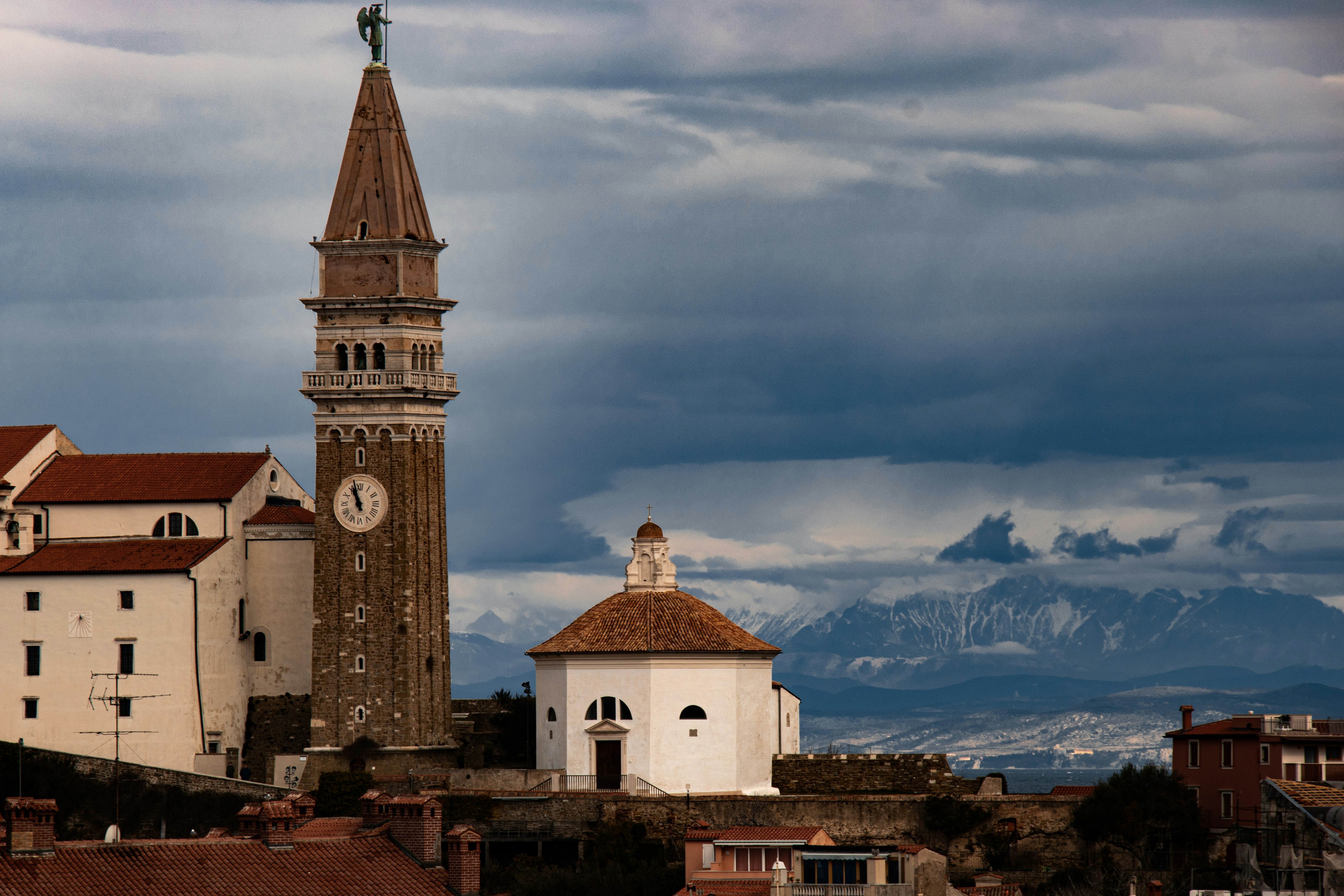
- Piran: Medieval coastal town, perfect for sea views.
- Ptuj: Oldest city in Slovenia, Roman history and festivals.
Public transport makes day trips easy. Many nomads use weekends to travel within Slovenia or hop to nearby countries.
| Destination | Distance from Ljubljana | Transport Time | Main Attraction |
|---|---|---|---|
| Lake Bled | 55 km | 1 hour | Scenic lake, castle |
| Piran | 120 km | 2 hours | Coastal town |
| Triglav Park | 80 km | 1.5 hours | Mountain trails |
| Maribor | 130 km | 2 hours | Wine region |
Pros And Cons Of Slovenia’s Nomad Visa
Every destination has trade-offs. Here’s a breakdown:
Pros:
- Legal residency for up to 6 months
- Access to EU travel (Schengen zone)
- Affordable living, high safety
- Strong digital infrastructure
- English widely spoken
Cons:
- Visa duration is shorter than some countries (only 6 months)
- Small nomad community—less networking than in big hubs
- Weather can be cold in winter
- Bureaucracy can be slow, paperwork is detailed
Non-obvious insight: The 6-month limit is strict. Extensions are rare. Plan your next move before your visa expires.
Taxes And Legalities
With the nomad visa, you’re not a Slovenian tax resident unless you stay longer than 183 days or establish strong local ties. Most nomads pay taxes in their home country.
Non-obvious tip: If you open a local bank account, check if your home country requires reporting foreign accounts (especially for US citizens). Slovenia follows EU financial regulations.
For more details, official guidance is available at Slovenian Government.
How To Make The Most Of Your Six Months
Plan Ahead
Apply early—visa processing can be slow. Research neighborhoods and housing options. Book temporary accommodation for your first week, then look for long-term rentals.
Get Connected
Join local events, coworking spaces, and hobby groups. Building a network helps with both work and personal life.
Balance Work And Leisure
Slovenia’s nature is its big advantage. Schedule work hours to leave time for hiking, cycling, or weekend trips. Many nomads find they’re more productive in Slovenia’s peaceful environment.
Explore Beyond Slovenia
Your visa lets you travel freely in the Schengen zone. Take trips to Italy, Austria, or Croatia. Slovenia is a perfect base for exploring Central Europe.
Common Mistakes To Avoid
- Not checking visa requirements: Regulations change. Always check the latest info before applying.
- Arriving without insurance: Private health insurance is mandatory. Don’t risk delays.
- Ignoring registration rules: Register your address within 3 days, or face fines.
- Underestimating winter: Pack for cold weather; Slovenian winters can surprise.
- Missing paperwork: Bring extra copies, translations, and originals.
Frequently Asked Questions
What Documents Are Needed For Slovenia’s Nomad Visa?
You need your passport, proof of remote work, income statements, private health insurance, and a criminal record check. Some documents may need translation into Slovene or English. Bring originals and extra copies.
Can I Work For A Slovenian Company With The Nomad Visa?
No. The visa is for remote work with companies outside Slovenia. You cannot take a local job or run a business targeting Slovenian clients.
How Long Does The Visa Last, And Can I Extend It?
The visa is valid for up to 6 months. Extensions are rare. If you want to stay longer, you must apply for a different residency permit or leave and reapply later.
Is Slovenia Safe For Solo Travelers And Remote Workers?
Yes, Slovenia is one of Europe’s safest countries. Violent crime is rare, and urban areas are well-lit and secure. Always follow standard safety tips: keep valuables safe and be cautious in crowded places.
Do I Have To Pay Taxes In Slovenia As A Nomad?
Usually not, unless you stay more than 183 days or establish strong local ties. Most digital nomads pay taxes in their home country. Check with a tax advisor for your situation.
Slovenia’s Nomad Visa is a fresh opportunity for professional travelers seeking a balance of work, adventure, and quality of life. The country’s welcoming attitude, solid infrastructure, and central location make it an appealing choice. With the right planning and a little curiosity, your six months in Slovenia could be your most productive—and enjoyable—season yet.