


Picture this: you’re in a bustling café in Bali, laptop open, palm trees swaying outside. Yet somehow, you feel completely invisible. The world buzzes around you, but you’re disconnected. You’re one of roughly 43 million digital nomads worldwide in 2026, yet loneliness doesn’t care about your numbers.
What truly separates thriving nomads from those who burn out? It’s not technical prowess. It’s mastering key digital nomad social skills. These seven abilities—communication etiquette, active listening, initiating conversation, cultural intelligence, assertive collaboration, intentional networking, and adaptability—form your toolkit for a fulfilling life on the road.
This guide delivers actionable steps for each skill. You’ll turn isolation into connection and challenges into growth.
Key Takeaways
Master communication etiquette to build trust and avoid misunderstandings in remote work.
Practice active listening to create genuine connections and strengthen remote team bonds.
Use cultural intelligence to navigate customs and show respect in every new destination.
Set clear boundaries to prevent burnout and become a more reliable global teammate.
Embrace adaptability to turn challenges into opportunities and thrive anywhere.
1. Digital Nomad Social Skills: Communication Etiquette
You’ve got the tech. You’ve got the laptop. But none of that matters if you can’t communicate clearly across time zones and screens. This digital nomad social skill sits at the core of everything you do. Without it, projects stall, relationships fray, and remote work becomes a lonely grind.
The Foundation of Remote Work
Every remote worker depends on a stack of digital tools. You live inside Slack, Zoom, and project management software. But knowing how to use them isn’t enough. You need strong communication skills to make these tools work for you.
Take project management platforms. The right tool can save hours of confusion. Here’s a quick look at what’s popular among digital nomads:
Tool | Key Strength for Digital Nomads | Notable Limitation |
|---|---|---|
Simple, intuitive task tracking with multiple views | Not mentioned as a limitation | |
Feature-rich all-in-one solution with automation and time tracking | Steeper learning curve than Asana | |
Highly customizable all-in-one workspace combining notes and tasks | Not ideal for teams needing rigid workflows | |
Hybrid spreadsheet-database for structured, customizable tracking | Less feature-rich than ClickUp or Asana |
Pick the one that fits your workflow. Then use it consistently. Update your tasks. Tag your teammates. Write clear descriptions. That’s the foundation of remote communication.
Mastering Text and Video Nuances
Written messages cause the most friction. You’ve seen it happen. A colleague sends: “We need to talk about the deadline.” Your brain reads it as a complaint. They meant it as a simple status update. No tone, no body language, no context. Suddenly, you’re stressed for no reason.
How do you fix this? Add tone indicators. Use emojis sparingly but intentionally. Write complete sentences. When something feels delicate, pick up the phone or jump on a video call.
Speaking of video calls, they come with their own rules. Here are the essentials:
Test your technology before the call. Check your internet, camera, and microphone.
Choose a quiet location with a clean background and good lighting.
Mute yourself when you’re not speaking to reduce background noise.
Dress appropriately for the call to maintain a professional appearance.
Be on time and prepared. Follow the agenda.
Pay attention and don’t multitask. Look at the camera and actively listen.
These small habits build trust. They show your team you respect their time. And they make you someone people want to work with, no matter where you are in the world.
2. Active Listening
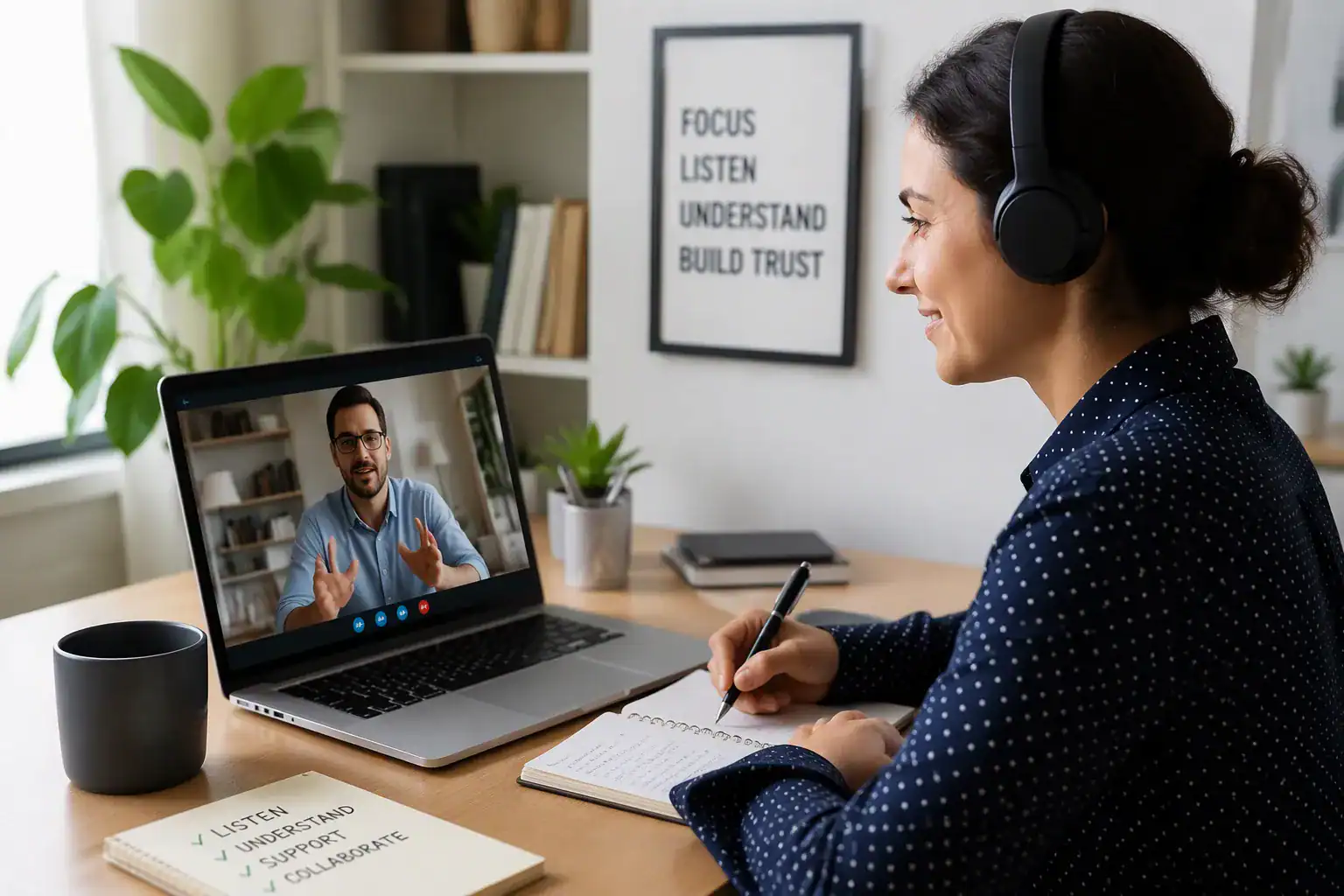
You’ve mastered clear messages and video calls. But a deeper skill separates connection from isolation. Active listening. This digital nomad social skill builds trust when you can’t share a physical space. Without it, you’re just trading words across a screen. With it, you create genuine bonds that survive time zones and different cultures.
Building Trust Without Physical Presence
Trust doesn’t happen by accident in remote teams. You build it deliberately. Great remote leaders define outcomes, lead with clarity, build connection intentionally, and choose trust over surveillance. HR Executive Magazine reports that 62% of remote-first companies avoid monitoring tools because surveillance erodes trust instead of building it.
The key insight is simple. Trust comes from small, repeatable actions, not grand gestures.
Trust anchors the team, not tools or proximity. Presence is created through steady signals—clear communication, reliability, accessibility, and understanding the person behind the role.
Here are proven strategies to build that trust:
Establish an environment of trust: Keep every promise you make. Promote transparency in your decisions. Avoid micromanaging and grant autonomy to your team members.
Schedule regular check-ins: Hold check-ins separate from performance reviews. Be fully present during these conversations. Show genuine interest in your teammates as people.
Encourage social interaction: Create space for relaxed conversations. Host virtual social hours. These moments build deeper connections beyond work tasks and deadlines.
Communicate clearly: Use varied channels for different needs. Set respectful ground rules for when and how to communicate with each other.
Practical Exercises for Deeper Engagement
Active listening isn’t a natural talent. You build it through deliberate practice. Without concrete exercises, you’ll fall back into old habits. Try these:
Five-second rule: Wait a full five seconds after someone finishes speaking. This shows respect and prevents interruptions. It also gives you time to process their message.
Verbal affirmations: Say “I hear you” or “Go on” to signal engagement. These simple phrases keep the conversation flowing without cutting someone off.
Minimize visual clutter: Close unrelated tabs and mute notifications. Give the speaker your full attention. One screen, one conversation.
Take visible notes: Write down key points while on camera. This demonstrates your engagement. It also prepares you for thoughtful follow-up questions.
Paraphrasing circles: Repeat what someone said in your own words. “So what I’m hearing is…” This confirms your understanding and avoids costly misunderstandings.
Empathy mapping: Consider the speaker’s feelings and perspective. What might they be experiencing beneath the surface? This deepens your understanding beyond surface-level words.
Pick one exercise this week. Practice it deliberately. You’ll notice the difference in your conversations and connections.
3. Initiating Conversation

You land in a new city. Your laptop bag feels heavy. Your stomach flips. Everyone around you seems to know each other. You don’t know a single soul. This moment defines your experience. Do you retreat to your hostel bed, or do you take a breath and say hello?
Breaking the Ice in New Places
A positive mindset changes everything. You must genuinely like people. You must believe strangers are friends you haven’t met yet. That attitude shows on your face. It softens your posture. It makes you approachable.
Start small. Ask for a local recommendation. Request help finding items in a grocery store, especially if you don’t speak the language. These low-pressure interactions open doors naturally. You’re not performing. You’re simply curious.
Co-working spaces offer perfect practice grounds. Walk up to someone during a coffee break. Ask what they’re working on. Local meetups work too. Digital nomad Facebook groups often organize weekly gatherings. Show up early. Help set up chairs. People notice helpful energy.
Try these proven conversation starters:
Ask about their next destination: “What country are you going to?”
Compliment a cultural difference: “Wow, I like the way your country does that, we do it differently.”
Invite deeper discussion: “Tell me more about this issue, I am interested in what you think.”
Each question invites a story. Each story builds a bridge.
The Art of Small Talk
Small talk gets a bad reputation. People call it shallow. They’re wrong. Small talk is the gateway to real connection. It’s the warm-up before the meaningful conversation.
Master these elements, and you’ll never dread a networking event again:
Active Listening: Focus fully on the speaker. Nod, smile, and keep a give-and-take balance.
Body Language Awareness: Keep an open stance. Uncross your arms. Make eye contact. Put your phone away.
Preparation: Stay current on neutral topics like movies, travel, and books. Avoid politics and religion.
Effective Questioning: Use open-ended questions like “What brings you here?” or question tags like “This is a great location, isn’t it?”
During small talk, keep your stance open and do not stand with arms folded. Nod your head to show interest, make room for others to chime in, avoid rolling your eyes in response to a speaker, and do not scroll on your phone.
Try these conversation starters at your next gathering: “What’s the best dining experience you’ve ever had?” or “What’s been the best part of your week so far?” You can also ask about hobbies or book recommendations. These questions spark genuine enthusiasm. They move the conversation beyond weather and traffic.
Mastering this digital nomad social skill transforms lonely travel into rich connection. Every conversation becomes an adventure.
4. Cultural Intelligence
You land in Tokyo. You bow slightly, and your host extends a hand for a handshake. You freeze. What do you do? This moment defines your cultural intelligence. This digital nomad social skill separates travelers from true global citizens. Without it, you offend without meaning to. With it, you build bridges across any border.
Navigating Customs and Communication Styles
Every culture communicates differently. Some value directness. Others prize subtlety. In Japan, silence often means agreement. In Italy, animated gestures show engagement. In Finland, personal space matters deeply. You must read each room anew.
Start with research. Before you arrive, learn basic greetings. Understand dining etiquette. Know whether to tip. These small details signal respect. They show you care about the culture, not just the destination.
Watch how locals interact. Notice their physical distance. Observe their eye contact. Listen to their tone. Then mirror those patterns. Adapt your style to fit theirs, not the other way around.
The golden rule of cultural intelligence: you are the guest. Their customs take priority over your comfort.
Developing Empathy and Avoiding Faux Pas
Mistakes happen. You will offend someone eventually. The key lies in how you recover. Consider this scenario. You’re in Thailand. You touch someone’s head while reaching for a shelf. In Thai culture, the head is sacred. The person stiffens. You realize your error.
Here’s your graceful recovery. First, apologize sincerely. Say, “I’m so sorry. I didn’t mean disrespect.” Then step back and give them space. Ask a local friend to explain the custom later. Learn from the moment. Next time, you’ll know better.
Empathy drives this skill. Put yourself in their position. Imagine someone ignoring your deepest traditions. It stings, right? That perspective changes everything. You stop judging differences. You start appreciating them.
Practice daily. Ask locals about their customs. Show genuine curiosity. Thank them for teaching you. These small gestures build lasting trust. They transform awkward moments into meaningful connections. Your cultural intelligence grows with every interaction, making you more adaptable and open-minded wherever you roam.
5. Assertive Collaboration
Your phone buzzes at midnight. A client needs something urgent. You’re in Thailand exploring a new city. What do you do? This moment tests your ability to collaborate assertively without burning out.
Setting Boundaries in a Connected World
The always-on lifestyle drains you fast. Research shows 25-33% of digital nomads struggle to unplug. A 2021 ADP survey found remote employees put in an average of 9.4 unpaid overtime hours every week. The line between work and life blurs quickly.
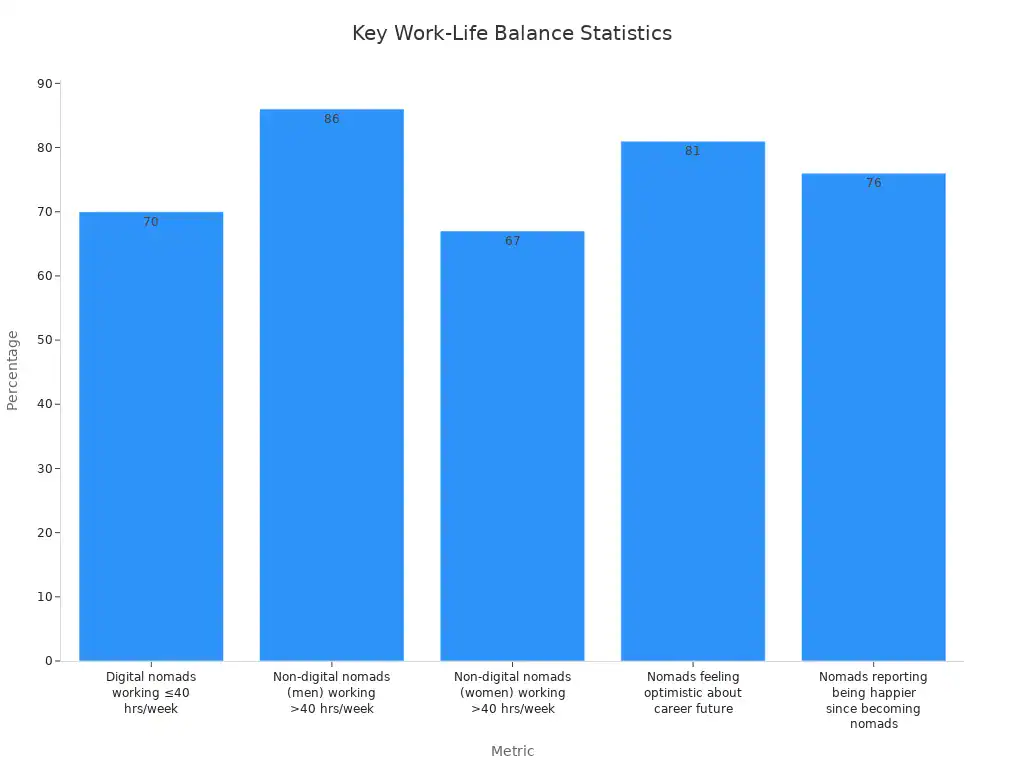
Define your work hours and stick to them. In Thailand working with New York clients, set hours from 10 PM to 6 AM local time. Communicate those hours clearly. Use statements like “I’m offline after five, but I will reply in the morning” to set expectations.
Create physical separation too. Set up separate device profiles for work and personal use. Turn off work notifications after hours. Build a routine that signals the end of your workday. Close your laptop. Take a walk. These small rituals protect your mental health.
Learn to say no politely. Nearly 77% of remote workers experience burnout. When a colleague asks you to join a low-priority project, respond with “I appreciate the request, but I need to focus on my current priorities right now.” This protects your time without damaging relationships.
All of this requires effective time management. You build it through discipline and practice.
Contributing to Global Teams
Here’s the surprising truth: boundaries make you a better team member. Organizations with well-defined boundaries see a 20% increase in employee engagement. You show up focused instead of exhausted.
Use time blocks for deep work. Prioritize your most important tasks first. Communicate your needs with managers. Negotiate deadlines early. Request regular check-ins. These actions don’t make you difficult. They make you reliable.
Support asynchronous communication with transparency. State what you need. Say when you’ll follow up. Note any blockers. Your teammates across time zones appreciate knowing where things stand.
Use tone intentionally in your messages. Choose steady language. Keep your thoughts organized. Maintain a calm cadence. This prevents misinterpretation and builds trust.
Your contribution to a global team depends on how well you manage yourself. Boundaries aren’t walls. They protect your energy so you can give your best when it matters most.
6. Networking with Intent
Networking isn’t about collecting business cards. It’s about building a support system that travels with you. You need people who understand your lifestyle, recommend clients, and offer advice when things get tough. This digital nomad social skill turns strangers into your global community.
Building a Professional Community
Start with a numeric goal. Meet one new professional in your field each week. Ask your current contacts for introductions, especially those with large networks. Send personal LinkedIn messages. Offer a lunch meeting to build rapport. These small actions compound over time.
Coworking spaces provide perfect ground. Attend their social events. Strike up conversations with people around you. Use common observations as icebreakers. If you don’t see events you like, create your own. Post in a local digital nomad group and invite others for coffee. Rotate venues to support local businesses and introduce nomads to new places.
Online communities extend your reach. Here’s where to connect:
Platform | How to Use It |
|---|---|
Facebook Groups | Join professional groups for digital nomads and industry-specific communities |
Instagram Lives | Follow companies and engage in live streams for behind-the-scenes insights |
Slack Channels | Participate in specialized channels to connect with peers in your industry |
Turning Encounters into Connections
A single conversation doesn’t build a network. Follow-up does. After meeting someone, send a quick message. Share an article they might like. Set up a virtual coffee chat. These small gestures strengthen relationships over time.
Volunteer at local charities. You’ll meet like-minded people passionate about making a difference. Take a local class in cooking or language. You’ll connect with both locals and other expats.
Remember the goal: connect people, don’t promote yourself. Focus on building relationships, not generating leads. When you help others succeed, they remember you. As a freelancer, your reputation becomes your strongest asset.
Check in regularly via email or social media. Share updates about your travels. Ask about their projects. This consistent effort transforms casual encounters into lasting professional connections that support you wherever you roam.
7. Adaptability: The Ultimate Digital Nomad Skill
Your flight gets canceled. Your Airbnb host double-books. A client changes the project scope overnight. These moments define your nomadic life. You can’t control them. You can control your response. Adaptability turns chaos into adventure.
Embracing Change and Uncertainty
Research shows that welcoming uncertainty leads to deep personal changes. You start seeing changes as adventures, not threats. This shift changes everything. A canceled flight becomes a chance to explore an unexpected city. A lost client becomes time to learn a new skill.
You can cultivate this mindset with deliberate actions:
Shift your mindset to embrace flexibility and view change as an opportunity for growth.
Plan ahead where possible but remain open to adjusting plans as needed.
Build a financial safety net to provide security.
Stay connected with a support network to gain a sense of stability in uncertain times.
These habits build resilience. You stop fearing the unknown. You start trusting your ability to handle whatever comes. That confidence radiates outward. It makes you more approachable. It makes you more interesting. People want to be around someone who handles chaos with grace.
Learning from Failure and Feedback
Failure stings. It also teaches. Every misstep carries a lesson if you look for it. A failed pitch reveals your weak spots. A cultural misunderstanding shows your blind spots. A missed deadline exposes your time management gaps.
A growth mindset helps you view challenges as learning opportunities. You start solving problems creatively. Paperwork becomes a puzzle. New workplaces become adventures. You stop needing external support. You develop resourcefulness.
Adapting to different cultures improves your cross-cultural communication skills. Learn local customs. Pick up basic language phrases. Join community events. Stay open-minded. Each interaction sharpens your ability to connect with anyone.
Balancing independence with building strong networks sustains your mobile lifestyle. You need both. Independence fuels your freedom. Networks catch you when you fall. Together, they build resilience.
These digital nomad skills compound over time. Each challenge you face makes you stronger. Each failure teaches you something new. Each adaptation expands your capacity. You become someone who thrives anywhere.
Embrace intentional mobility. Choose your work locations strategically. Foster growth. Avoid burnout. Treat adaptability as your superpower. Flexibility becomes your competitive advantage. The world becomes your playground instead of your obstacle course.
These seven digital nomad social skills form your complete toolkit. Communication etiquette, active listening, initiating conversation, cultural intelligence, assertive collaboration, intentional networking, and adaptability work together. Each one strengthens the others. Practice them in every new city, and they compound into important skills for success.
Start small this week. Pick one skill and focus on it deliberately. Notice how your conversations deepen. Watch how your work improves. Observe how connections form naturally.
Your social skills become your true home, no matter where you roam. The world opens up when you master them. Begin today.
FAQ
How do I practice these skills when I’m introverted?
Start with one skill you find easiest. Use online communities first. Practice in low-pressure situations like asking a barista a question. Build momentum slowly. Small wins compound over time.
Which skill matters most for new digital nomads?
Communication etiquette. It forms the foundation for everything else. Master clear written and video communication first. Other skills build on this base naturally.
How long until I see real improvement?
Most people notice changes within two weeks of deliberate practice. Pick one skill weekly. Focus on small daily actions. Consistency matters more than intensity.
Can I learn these skills without traveling?
Absolutely. Practice communication etiquette and active listening with remote colleagues. Join local meetups or online communities. Travel amplifies growth, but you can start anywhere.
What if I offend someone from a different culture?
Apologize sincerely. Ask a local to explain the custom. Learn from the mistake. Graceful recovery matters more than perfection. People appreciate genuine effort to understand.