Digital Nomad Life in 2025:
The Ultimate Guide to Location-Independent Living
The digital nomad revolution has evolved from a niche lifestyle into a global movement that’s redefining how we work, live, and explore our world. As we navigate through 2025, the landscape of location-independent living has transformed dramatically, offering unprecedented opportunities for those brave enough to break free from traditional constraints and embrace the freedom of working from anywhere.
With over 40 million digital nomads worldwide and 18.1 million in the United States alone—a staggering 147% increase since 2019—the movement shows no signs of slowing down. Whether you’re a seasoned nomad or contemplating your first leap into this transformative lifestyle, understanding the current trends, destinations, and practical realities of digital nomadism in 2025 is essential for success.
Let’s dive deep into what it truly means to be a digital nomad in 2025, exploring everything from emerging destinations and travel styles to visa programs and lifestyle choices that are shaping this extraordinary community.
The Evolution of Digital Nomadism: Where We Are in 2025
The pandemic served as a catalyst that propelled remote work from a privilege to a necessity, forever changing the way we perceive work and place. What began as a temporary adaptation has blossomed into a permanent lifestyle for millions worldwide.
The Numbers Tell a Powerful Story
The digital nomad community has experienced explosive growth. In 2025, estimates suggest between 40 and 80 million people worldwide have embraced this location-independent lifestyle. The United States leads the charge, with 18.1 million Americans identifying as digital nomads—a 4.6% increase from 2024 alone.
But it’s not just about quantity; the quality and diversity of the community have evolved remarkably. Digital nomads are no longer solely young freelancers chasing adventure. Today’s nomadic workforce includes traditional employees, entrepreneurs, families with children, retirees, and professionals across virtually every industry imaginable.

Who Are Today’s Digital Nomads?
The demographic landscape of digital nomadism in 2025 reveals fascinating patterns that challenge common stereotypes:
Age Distribution:
- 49% are between 30-39 years old, representing the largest segment
- 38% are 40 years or older, showing increased adoption among mature professionals
- 13% are in their twenties, the digital natives who’ve grown up expecting flexibility
The average digital nomad is now 36 years old, bringing a level of professional experience and financial stability that was less common in earlier years of the movement.
Education and Income: Digital nomads remain highly educated, with 90% holding tertiary education degrees. This educated cohort tends to cluster in roles that support remote-first productivity and digital innovation. Average annual salaries hover around $124,170, with a median of $85,000, demonstrating that location independence doesn’t mean sacrificing earning potential.
Gender and Diversity: While the community remains male-dominated at 56%, female participation has steadily increased to 43%. The community is predominantly white (76%), though there’s growing diversity with 18% African American, 8% Hispanic, and 4% Asian nomads contributing to the global tapestry.
The Shift in Employment Types
One of the most significant changes in 2025 is the composition of digital nomads by employment type. While the pandemic initially saw a surge in traditionally employed nomads, the landscape has evolved:
- 66% of digital nomads now hold traditional full-time jobs with companies, though this represents a slight decline as return-to-office mandates have impacted some workers
- Independent workers—freelancers, contractors, and entrepreneurs—have grown by 20% in recent years, now representing a vital segment of the community
- A new category of “tethered nomads” has emerged: traditional employees who travel while maintaining proximity to their home offices for periodic in-person requirements
This shift reflects the maturing of the movement and companies’ evolving approaches to remote work flexibility.
Travel Styles: How Digital Nomads Are Reimagining Movement in 2025
Perhaps the most transformative trend in 2025 is the evolution of how digital nomads approach travel itself. The frenetic pace of constant movement that characterized early digital nomadism has given way to more intentional, sustainable approaches.
The Rise of Slowmading: Quality Over Quantity
The “slowmad” movement has emerged as the dominant travel philosophy among experienced digital nomads. Rather than hopping from city to city every week, slowmads embrace extended stays of one month to several months in each location.
Why Slowmading Works:
The benefits of slow travel extend far beyond simple convenience. When you stay longer, you gain:
- Deeper Cultural Immersion: Time to learn the language, understand local customs, and form genuine relationships with residents
- Improved Productivity: Reduced travel stress means more energy for creative and professional work
- Cost Efficiency: Long-term rentals, regular dining spots, and established routines significantly reduce daily expenses
- Mental Health Benefits: The stability of a home base while maintaining location independence creates the perfect balance of adventure and comfort
- Environmental Responsibility: Fewer flights and transportation movements significantly reduce carbon footprints—studies show digital nomads produce 74% less CO2 than the average American
Slowmads typically stay 6-8 weeks minimum in each location, with many choosing 3-6 month stints to truly establish themselves within a community. Popular slowmad destinations include Lisbon, Medellín, Chiang Mai, Tbilisi, and Da Nang—cities with established infrastructure, vibrant communities, and reasonable costs of living.
Hybrid Nomadism: The Best of Both Worlds
Another emerging pattern is hybrid nomadism, where individuals maintain a home base while traveling seasonally. This approach offers:
- Stability for relationships and family connections
- A permanent address for legal and financial purposes
- Ability to store belongings and return to familiar surroundings
- Flexibility to travel during optimal seasons or between projects
Hybrid nomads might spend 6-9 months in their home location and 3-6 months traveling, or alternate between several established bases throughout the year. This model has become particularly popular among families and those approaching semi-retirement.
Niche Travel Communities: Finding Your Tribe
The digital nomad community has fragmented into specialized subgroups, each with unique priorities:
Surf Nomads: Planning stays around surf seasons and wind conditions, gravitating to coastal hubs like Bali, Tarifa, and Florianópolis where they can “work hard, surf harder.”
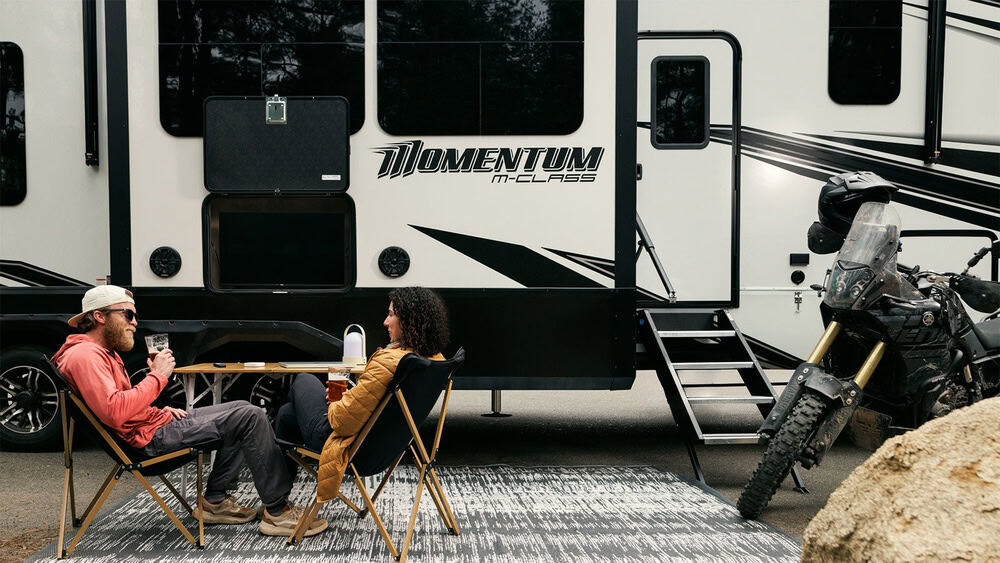
VanLife Nomads: Living on four wheels, blending ultimate mobility with self-sufficiency, particularly popular in Europe, Australia, and North America.
Family Nomads: Approximately 1.5 million families now travel full-time, relying on worldschooling programs and family-friendly destinations like Portugal, Costa Rica, and Japan.
Wellness-Focused Nomads: Choosing destinations with yoga communities, healthy food scenes, and outdoor activities that support holistic wellbeing.

Top Digital Nomad Destinations for 2025: Where the World’s Remote Workers Are Heading
The map of digital nomad hotspots continues to evolve, with traditional favorites maintaining their appeal while exciting new destinations emerge. Here’s where the global nomad community is heading in 2025:
Fastest-Growing Emerging Hubs
Several destinations have experienced explosive growth in digital nomad populations:
Tbilisi, Georgia: With monthly costs ranging from $800-$1,500 and visa-free stays of one full year for many nationalities, Tbilisi offers cobbled streets, art nouveau architecture, ancient bathhouses, and a wine culture that predates most of Europe. The contrast between modern tech scene and ancient traditions creates a unique appeal.
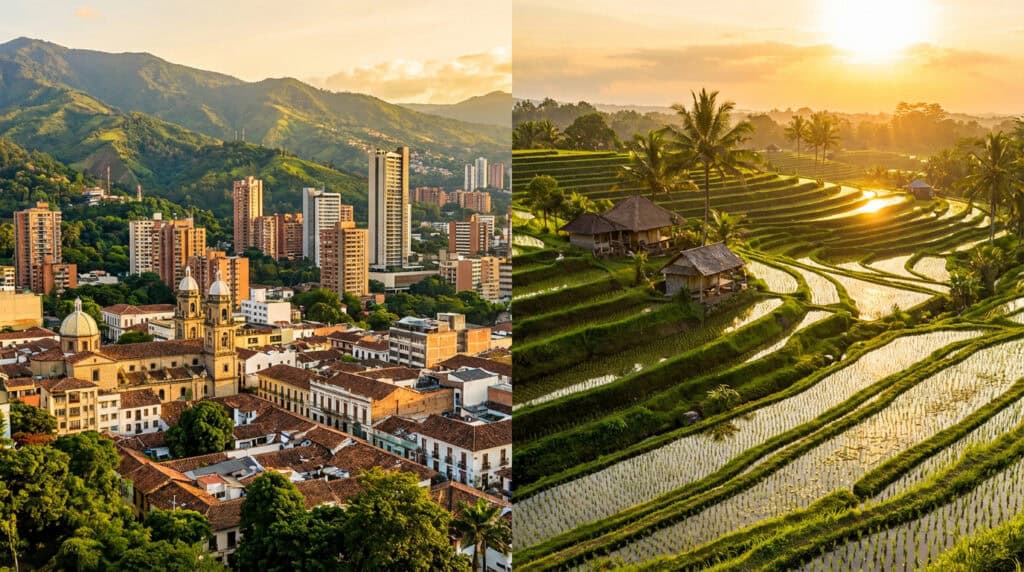
Medellín, Colombia: Colombia’s two-year digital nomad visa and year-round spring weather have made Medellín a top choice. With monthly budgets of $1,200-$1,800, strong WiFi, and vibrant expat communities, it’s buzzing among nomads seeking affordability and culture.
Plovdiv, Bulgaria: Bulgaria’s new digital nomad program offers a 10% flat tax rate and potential Schengen access, requiring just $2,500 monthly income. The combination of low costs and European access makes it increasingly attractive.
Albania: Offering one of Europe’s most affordable costs of living and visa-free stays for many nationalities, Albania provides stunning beaches, ancient ruins, and medieval villages without the crowds of more established destinations.
Da Nang, Vietnam: With monthly costs of $1,000-$1,500, exceptional beaches, incredible food culture, and fast internet, Da Nang represents the sweet spot of Asian nomad destinations in 2025.
Established Favorites Still Dominating
Classic digital nomad hubs continue to attract thousands thanks to proven infrastructure and established communities:
Bali, Indonesia: The longtime favorite offers Indonesia’s attractive Remote Worker Visa (one-year stay for incomes around $60,000) and the flexible six-month B211A visa. Monthly costs run approximately $1,300-$1,500.
Chiang Mai, Thailand: Thailand’s multi-entry visa allows up to five years stay with 180-day intervals. Affordable living, fast internet, and the largest established nomad community in Southeast Asia continue to draw remote workers.
Lisbon, Portugal: Portugal’s D8 Digital Nomad Visa offers accessible entry with relatively low income requirements, plus a thriving expat community and vibrant culture. Monthly costs range from $2,000-$3,000.
Mexico City, Mexico: With a Temporary Resident Visa valid up to four years requiring approximately $2,100 monthly income, Mexico City offers urban excitement, incredible food culture, and active coworking scenes for $1,500-$2,500 monthly.
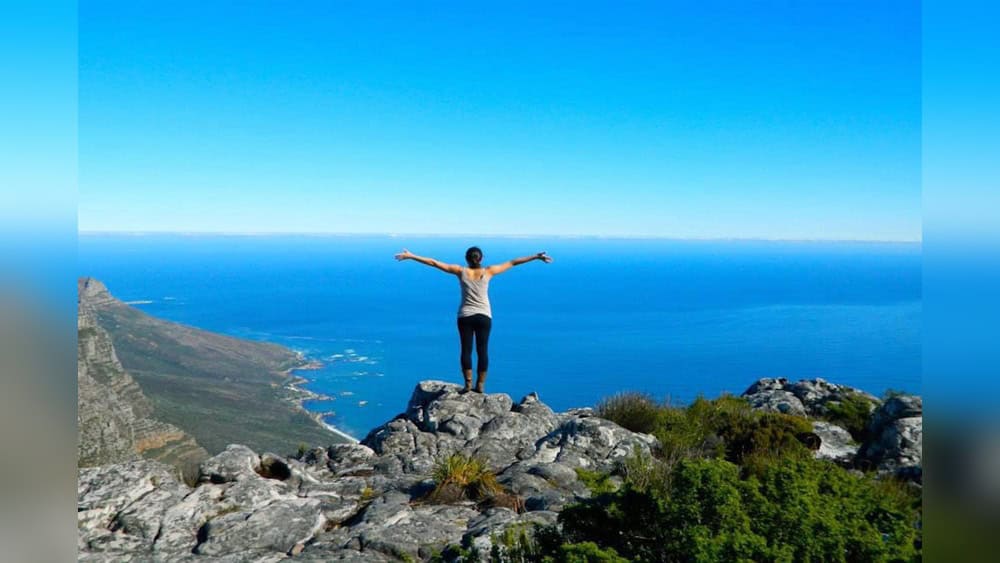
Cape Town, South Africa: Ranked as a top destination for 2025, Cape Town’s dedicated Digital Nomad Visa requires proof of $37,000+ annual income. Monthly costs of $1,500-$2,600 provide excellent internet, stunning nature, and vibrant city life.
Choosing Your Next Destination: Key Factors
When selecting your next base, successful nomads in 2025 consider:
- Internet Reliability: Non-negotiable for remote work. Check Nomad List scores and ask in community forums.
- Cost of Living: Balance affordability with quality of life and desired experiences.
- Visa Accessibility: Length of permitted stays and ease of application process.
- Community: Presence of coworking spaces, nomad meetups, and existing communities.
- Time Zone Alignment: Particularly important for those with client or team meeting requirements.
- Safety and Healthcare: Political stability, crime rates, and quality medical infrastructure.
- Climate and Environment: Weather patterns, air quality, and access to nature.
The Digital Nomad Visa Revolution: Global Policies in 2025
Perhaps no aspect of digital nomadism has evolved more dramatically than the regulatory landscape. As of 2025, 73 countries offer dedicated digital nomad visas—up from virtually none before the pandemic—signaling a global recognition of this workforce’s economic potential.
Understanding Digital Nomad Visas
Unlike traditional work visas, digital nomad visas allow individuals to reside in a country while working remotely for foreign employers or clients. Most programs share common features:
Typical Requirements:
- Proof of remote work or self-employment
- Minimum monthly income (typically $1,500-$3,700)
- Health insurance coverage
- Clean criminal background check
- Proof of accommodation
Standard Duration: The one-year visa has become the global standard, accounting for 66% of all programs. However, variations exist:
- Taiwan leads with a 3-year extendable visa
- Colombia, Ecuador, El Salvador, Norway, and Montenegro offer 2-year extendable options
- Thailand’s program allows up to 5 years with proper renewals
- Most programs (76.6%) allow extensions or renewals, signaling policy flexibility
Top Digital Nomad Visa Programs for 2025
Portugal’s D8 Digital Nomad Visa: Low income thresholds ($3,700/month), Schengen area access, renewable five-year stays, and strong remote-work infrastructure make this highly attractive.
Spain’s Digital Nomad Visa: Updated in 2025 with no minimum duration requirement, allowing maximum three-year stays under the Startup Act with pathways to permanent residency.
Germany’s Digitized Permits: Streamlined online application platforms through unified immigration services have simplified previously complex processes.
Brazil’s VITEM XIV: One-year renewable visa for those earning over $1,500/month, combining vibrant culture with expanding expat hubs and new e-visa capabilities.
Colombia’s Two-Year Program: Requiring approximately $995 monthly income, Colombia offers one of the most affordable entry points to digital nomad life.
South Korea’s Program: Introduced in 2024, it offers clear remote work eligibility, blazing-fast internet, and strong urban infrastructure in Seoul and Busan.
Compliance and Tax Considerations
As digital nomad programs mature, governments are increasing enforcement of tax and social security obligations. In 2025, nomads must be more aware than ever of:
- Tax residency rules and potential double taxation
- Social security obligations in home and host countries
- Reporting requirements for foreign income
- Platforms like Localyze emerging to help manage cross-border compliance
The “slowmad” trend toward longer stays partly reflects efforts to navigate these complexities—staying 2-3 months in multiple countries rather than establishing tax residency in any single location.
Length of Stays: How Long Are Nomads Actually Staying?
The question of how long to stay in each destination has become central to the digital nomad experience in 2025. The data reveals evolving patterns:
The Spectrum of Stay Lengths
Fast Travelers (1-3 weeks per location): Still represent 48% of digital nomads, these individuals prioritize exploration and variety, often in their first years of nomadic life.
Medium-Stay Nomads (1-2 months): The most common approach among experienced nomads, offering sufficient time for cultural immersion while maintaining flexibility.
Slowmads (3-6+ months): Growing segment seeking deep local integration, often in their favorite cities or working toward residency goals.
Home Base + Travel Hybrid (6+ months primary, 3-6 months travel): Increasingly popular among families and established professionals seeking stability with adventure.
Factors Influencing Stay Length
Several considerations determine optimal stay duration:
Visa Restrictions: Tourist visas typically allow 30-90 days, while digital nomad visas permit longer stays.
Rental Costs: Monthly rentals offer significant savings over nightly bookings, with 3-6 month leases providing even better rates.
Work Requirements: Meeting schedules, project cycles, and client time zones influence location decisions.
Personal Goals: Language learning, relationship building, or skill development require extended stays.
Travel Budget: Fewer moves mean lower transportation costs and more funds for experiences.
Burnout Prevention: The most successful nomads build in buffer periods and slower stretches to maintain sustainability.

The Digital Nomad Lifestyle: Work, Community, and Wellbeing in 2025
Beyond logistics and destinations, the daily reality of digital nomad life has evolved to address earlier challenges and create more sustainable practices.
Work-Life Integration
Successful nomads in 2025 have mastered the art of blending productivity with adventure:
Coworking Culture: Coworking spaces have proliferated globally, offering not just reliable internet and professional environments, but also built-in communities. Many nomads maintain regular coworking memberships as anchor points in their routines.
Productivity Rhythms: Experienced nomads structure their weeks to maximize both work output and exploration—often clustering work during weekdays and saving adventures for weekends, or blocking out intensive work periods followed by travel weeks.
Essential Tech Stack: The modern nomad’s mobile office includes lightweight laptops with strong battery life, universal plug adapters, global WiFi hotspots, VPN services for security, backup hard drives, and increasingly, AI-powered productivity tools.
Building Community on the Road
Loneliness and isolation plagued early digital nomads, but 2025’s community infrastructure has transformed the social landscape:
Coliving Spaces: Organizations like Hacker Paradise, WiFi Tribe, Outpost, and Nomad List Trips offer instant communities where friendships form naturally through shared experiences.
Digital Nomad Events: Monthly meetups, annual conferences like DNX Global, and local networking events create regular touchpoints for connection.
Online Communities: Slack channels, Discord servers, and Telegram groups keep nomads connected globally while providing local recommendations and support.
Niche Communities: Specialized groups for family nomads, women nomads, LGBTQ+ nomads, and profession-specific networks ensure everyone can find their tribe.
Health and Wellbeing
The 2025 digital nomad prioritizes sustainability and self-care:
Insurance Solutions: Global health insurance providers like SafetyWing and World Nomads offer coverage that travels with you, addressing one of the biggest concerns for location-independent workers.
Mental Health: Increased awareness of nomad burnout has led to better resources, from online therapy platforms to wellness-focused coliving spaces emphasizing mental health.
Physical Fitness: Many nomads choose destinations with strong outdoor cultures, yoga communities, or affordable gym memberships to maintain physical health while traveling.
Routine and Ritual: The most successful nomads create portable routines—morning coffee rituals, exercise habits, evening wind-down practices—that provide stability regardless of location.
Professional Opportunities: What Digital Nomads Actually Do
The range of professions supporting location-independent lifestyles has expanded dramatically, moving far beyond the stereotype of freelance web developers:
Top Nomad Professions in 2025
Technology Sector: Software developers, UX/UI designers, data analysts, cybersecurity specialists, and cloud engineers continue to dominate.
Creative Industries: Content creators, graphic designers, photographers, video editors, writers, and social media managers thrive in the nomad ecosystem.
Business Services: Digital marketers, SEO specialists, virtual assistants, project managers, and business consultants increasingly work remotely.
Education: Online teachers, course creators, corporate trainers, and coaching professionals of all types.
Finance and Accounting: Bookkeepers, financial analysts, and accounting professionals offering remote services.
AI and Emerging Tech: Prompt engineering, AI content quality assurance, and automation scripting represent the newest nomad-friendly opportunities.
Income and Location Independence
Contrary to concerns about reduced compensation, 70% of remote workers report no pay cut for choosing remote work. More encouragingly, 43% of remote workers say their paycheck isn’t tied to their location—up from 38% the previous year.
This shift toward location-agnostic compensation represents a fundamental change in how companies value work, focusing on output rather than physical presence.
Challenges and Realities: The Other Side of Paradise
While digital nomadism offers extraordinary freedom, it’s essential to acknowledge the challenges that come with this lifestyle:
Common Difficulties
Visa Complexity: Despite the proliferation of digital nomad visas, navigating requirements, renewals, and tax implications remains challenging.
Time Zone Juggling: Working with teams or clients across multiple time zones can mean odd hours and sleep disruption.
Relationship Maintenance: Long-distance relationships, maintaining friendships, and finding romantic partners present unique challenges.
Financial Planning: Managing multiple currencies, understanding tax obligations, and planning for retirement requires extra effort.
Healthcare Continuity: Finding quality medical care in unfamiliar systems and managing chronic conditions across borders.
Loneliness Periods: Despite better community infrastructure, everyone experiences lonely stretches, especially during transitions.
Work-Life Boundaries: When your office is everywhere, switching off becomes difficult.
Sustainability Concerns
The environmental impact of frequent travel weighs on many nomads’ minds. Solutions emerging in 2025 include:
- Choosing overland travel options when possible
- Staying longer in each location to reduce flight frequency
- Supporting local businesses and communities
- Participating in environmental initiatives in host countries
- Calculating and offsetting carbon footprints
The Future of Digital Nomadism: Trends to Watch
Looking ahead, several trends are shaping the evolution of location-independent living:
Policy Convergence
Expect greater standardization of digital nomad programs as the EU and OECD push for more consistent tax and social security rules across borders.
Employer Maturity
More companies will implement formal remote work policies with clear guidelines for international work, rather than the informal “don’t ask, don’t tell” approach of pandemic years.
Destination Diversification
As traditional hotspots face overcrowding and rising costs, nomads will continue discovering emerging destinations in Eastern Europe, Africa, and Latin America.
Technology Integration
AI tools will make remote work more efficient, while blockchain and digital identity solutions may simplify visa processes and financial management.
Intergenerational Movement
The demographic will continue broadening to include more families, retirees, and multi-generational groups traveling together.
Climate Migration
Changing weather patterns will increasingly influence destination choices, with nomads seeking comfortable climates and avoiding areas affected by extreme weather.
Making the Leap: Is Digital Nomad Life Right for You?
If you’re considering embracing location independence, ask yourself these essential questions:
Self-Assessment for Aspiring Nomads
Can your work be done remotely? Not every profession translates to digital nomadism, though the range keeps expanding.
Do you crave freedom and novelty? If routine and familiarity comfort you most, constant change may prove exhausting.
Can you handle uncertainty? Logistics fail, plans change, and flexibility becomes essential.
Are you self-motivated? Without office structure, you must create your own discipline and routine.
Can you afford the lifestyle? While potentially cheaper than some cities, nomad life requires upfront costs and emergency funds.
Are you willing to sacrifice convenience? From shipping packages to healthcare access, some things are simply easier when you have a permanent home.
Starting Your Digital Nomad Journey: Practical First Steps
For those ready to begin, here’s how to launch successfully:
Phase One: Preparation (3-6 months)
- Skill Development: Ensure your skills are marketable remotely or build new ones through platforms like Nomad Academy
- Financial Foundation: Build 6-12 months of emergency savings
- Work Arrangement: Secure remote employment or establish freelance client base
- Minimalism: Downsize possessions and practice living with less
- Research: Choose your first destination and understand visa requirements
Phase Two: Trial Run (1-3 months)
- Local Test: Work from home or local cafés to simulate nomad routines
- Short Trip: Take a 2-4 week workcation to test the lifestyle
- Evaluate Honestly: Assess what you loved and what challenged you
Phase Three: Launch (Month 1+)
- Choose Carefully: Select a beginner-friendly destination with strong infrastructure
- Stay Longer: Commit to 2-3 months minimum to truly experience the lifestyle
- Join Communities: Immediately connect with local nomad groups
- Establish Routines: Create structure around work, exercise, and self-care
- Stay Flexible: Embrace the learning curve and adjust as needed
Embracing the Journey: Your Location-Independent Future Awaits
The digital nomad lifestyle in 2025 represents more than a work arrangement—it’s a philosophy of freedom, curiosity, and continuous growth. Whether you’re drawn to the beaches of Bali, the mountains of Medellín, or the cobbled streets of Tbilisi, the world has never been more accessible to those willing to break free from traditional constraints.
The modern nomad community has evolved beyond the stereotypes of laptop-wielding beachgoers into a diverse, sophisticated global workforce that’s redefining success on their own terms. With unprecedented support infrastructure, visa programs, and community resources, 2025 stands as perhaps the best time in history to embrace location independence.
Remember, there’s no single “right way” to be a digital nomad. Fast traveler or slowmad, traditional employee or entrepreneur, solo adventurer or family unit—the beauty of this lifestyle lies in designing it to fit your unique needs, values, and dreams.
The world is waiting, and your journey begins with a single step. Whether that’s researching your first destination, building remote work skills, or simply allowing yourself to imagine a life beyond boundaries—the path to location-independent living is open before you.
At Break Outwards, we’re here to support your transformation, offering experiences, resources, and a global community of like-minded explorers ready to welcome you into this extraordinary way of life. The world is our office, curiosity is our currency, and the adventure of a lifetime is calling your name.
Are you ready to break outward and discover what’s possible when you refuse to be confined by geography? The nomadic lifestyle awaits—and 2026 might just be your year to answer the call.