Southeast Asia has become a magnet for digital nomads. Its mix of low costs, vibrant cultures, fast Wi-Fi, and tropical beauty draws thousands of remote workers every year. But what is the real cost of living for digital nomads in Southeast Asia? How much do you need to live comfortably, work efficiently, and enjoy life in this region?
If you’re planning your next move or dreaming of working from a beachside café, understanding the details of monthly expenses is crucial. While many blogs share numbers, few explain what life is really like behind the costs. This guide gives you a realistic, in-depth look at living as a digital nomad in Southeast Asia. You’ll discover how much you need, what influences your budget, and how to find the right balance between comfort and adventure.
Why Southeast Asia Is Popular With Digital Nomads
The region offers more than just affordability. Most Southeast Asian countries make it easy for foreigners to stay for months. The climate is warm year-round, and cities like Bangkok, Bali, and Chiang Mai have developed nomad-friendly communities. There’s also a high concentration of coworking spaces, networking events, and creative energy.
One big plus is that Southeast Asia is diverse. You can enjoy the modern buzz of Kuala Lumpur, the spiritual calm of Ubud, the party scene in Ho Chi Minh City, or the untouched beaches of the Philippines—all within a short flight.
But what do these perks cost, and how do expenses vary from country to country? Let’s break it down.
Key Factors That Affect Your Cost Of Living
Your cost of living as a digital nomad in Southeast Asia depends on several things:
- Country and City Choice: Big cities and tourist hubs are pricier than rural towns.
- Lifestyle: Local food vs. international food, shared rooms vs. private apartments.
- Work Needs: Fast Wi-Fi, coworking passes, SIM cards.
- Travel Habits: Staying in one place is cheaper than moving every week.
- Visas and Insurance: Some countries require proof of income, visa runs, or health insurance.
Non-obvious insight: Many digital nomads underestimate the cost of moving often. Short-term rentals and travel add up quickly. Staying longer in one place saves money and helps you integrate into the local community.

Credit: www.youtube.com
Cost Of Living Breakdown By Country
It’s important to remember that costs can change based on currency rates and inflation. The following sections give current, realistic estimates (as of 2024) for popular Southeast Asian countries.
Thailand
Thailand has long been a digital nomad favorite. Chiang Mai and Bangkok offer many coworking spaces, good food, and easy transport.
- Rent: $300–$700 for a one-bedroom apartment (city center vs. suburbs)
- Utilities: $50–$100 per month
- Food: $150–$350 (local vs. international)
- Coworking Space: $80–$150 monthly
- Transport: $25–$60 (public transit or scooter rental)
- Other: SIM card $10, gym $30–$50
Total Monthly Cost: $750–$1,500 (comfortable lifestyle)
Practical tip: In Chiang Mai, renting long-term directly with landlords is cheaper than Airbnb. Many landlords offer discounts for stays over a month.
Vietnam
Vietnam’s main digital nomad hubs are Ho Chi Minh City and Da Nang. Costs are slightly lower than in Thailand.
- Rent: $250–$600
- Utilities: $40–$80
- Food: $120–$300
- Coworking Space: $50–$120
- Transport: $20–$50
- Other: SIM card $5, gym $20–$40
Total Monthly Cost: $650–$1,200
Non-obvious insight: Many apartments in Vietnam include weekly cleaning and laundry in the rent—a big time saver for remote workers.
Indonesia (bali)
Bali is a global hotspot for digital nomads. Its costs vary widely by area (Canggu and Ubud are most popular).
- Rent: $300–$900 (shared villa vs. private apartment)
- Utilities: $30–$80
- Food: $120–$350
- Coworking Space: $100–$200
- Transport: $30–$70 (scooter rental)
- Other: SIM card $8, yoga/gym $30–$60
Total Monthly Cost: $800–$1,600
Practical tip: Renting scooters is common, but insurance is often not included. Budget for medical insurance and check your coverage.
Malaysia
Kuala Lumpur and Penang offer a modern lifestyle with good infrastructure.
- Rent: $400–$900
- Utilities: $40–$100
- Food: $150–$350
- Coworking Space: $80–$180
- Transport: $30–$60
- Other: SIM card $8, gym $25–$50
Total Monthly Cost: $900–$1,700
Non-obvious insight: Malaysia’s multicultural food scene offers affordable options from Indian, Chinese, and Malay cuisines—eating out can be cheaper than cooking.
Philippines
The Philippines offers beautiful beaches and friendly locals, with hotspots like Cebu and Manila.
- Rent: $300–$700
- Utilities: $50–$120
- Food: $130–$300
- Coworking Space: $50–$120
- Transport: $20–$60
- Other: SIM card $10, gym $20–$40
Total Monthly Cost: $700–$1,300
Practical tip: Power outages are common in rural areas. If reliable Wi-Fi is crucial, stick to cities or check accommodation reviews carefully.
Cambodia
Phnom Penh and Siem Reap are the main hubs.
- Rent: $250–$600
- Utilities: $30–$70
- Food: $100–$250
- Coworking Space: $40–$100
- Transport: $20–$40
- Other: SIM card $5, gym $15–$30
Total Monthly Cost: $600–$1,100
Non-obvious insight: Many apartments in Cambodia come fully furnished, and short-term leases are common. This is great for flexible nomads.
Laos
Laos is less developed but offers a quiet, relaxed vibe. Most nomads stay in Vientiane or Luang Prabang.
- Rent: $200–$500
- Utilities: $30–$60
- Food: $80–$200
- Coworking Space: $40–$80 (limited availability)
- Transport: $15–$30
- Other: SIM card $4, gym $10–$20
Total Monthly Cost: $500–$900
Practical tip: Internet speeds can be slow outside major cities. Always check Wi-Fi quality before booking long stays.
Singapore
Singapore is the most expensive in the region but offers world-class infrastructure.
- Rent: $900–$2,000 (shared or private studio)
- Utilities: $60–$120
- Food: $250–$600
- Coworking Space: $200–$350
- Transport: $50–$100
- Other: SIM card $10, gym $40–$80
Total Monthly Cost: $1,500–$3,000
Non-obvious insight: If you need to reset your visa, Singapore is a common “visa run” destination from other Southeast Asian countries due to its connectivity.
Myanmar
Remote work in Myanmar is less common due to political instability, but major cities like Yangon offer some options.
- Rent: $250–$600
- Utilities: $30–$70
- Food: $80–$200
- Coworking Space: $30–$80
- Transport: $15–$30
- Other: SIM card $5, gym $15–$25
Total Monthly Cost: $500–$1,000
Practical tip: Always check the latest safety and visa situation before moving to Myanmar.
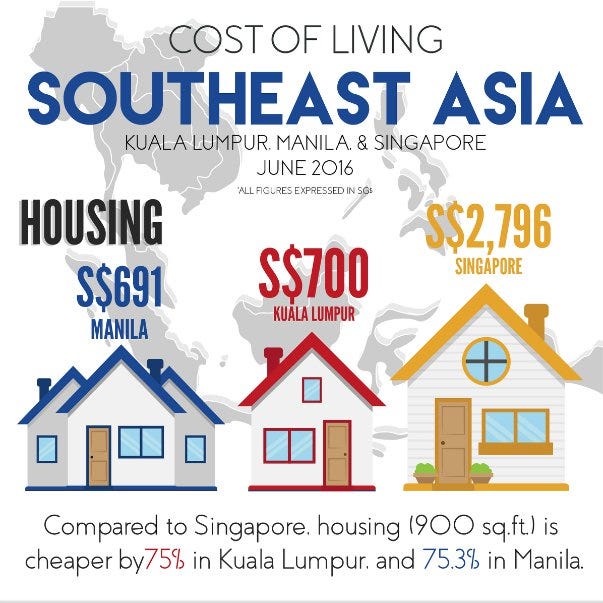
Comparison: Cost Of Living In Major Southeast Asian Digital Nomad Cities
For a quick overview, here’s a comparison of average monthly costs in the most popular cities:
| City | Basic Monthly Cost | Comfortable Monthly Cost |
|---|---|---|
| Chiang Mai | $700 | $1,300 |
| Bangkok | $900 | $1,500 |
| Ho Chi Minh City | $700 | $1,200 |
| Bali (Canggu/Ubud) | $900 | $1,600 |
| Kuala Lumpur | $1,000 | $1,700 |
| Manila | $900 | $1,300 |
| Phnom Penh | $700 | $1,100 |
Note: “Basic” means local food, simple apartment, mostly public transport. “Comfortable” means a modern apartment, some eating out, coworking, and leisure activities.
Credit: medium.com
What’s Included In A Typical Monthly Budget?
Many nomads ask: “What does a $1,000 monthly budget cover in Southeast Asia?” Here’s a typical breakdown for an average digital nomad:
- Accommodation: Usually your biggest expense. Shared apartments, small studios, or guesthouses keep costs low.
- Food: Street food and local restaurants save money. Western food costs 2–3 times more.
- Transport: Scooters, bikes, and public transport are common. Ride-hailing apps (like Grab or Gojek) are affordable.
- Coworking: Not essential, but good for meeting others and working efficiently.
- Utilities: Includes electricity, water, and sometimes cleaning.
- SIM/Data: High-speed mobile internet is cheap and reliable in most cities.
- Leisure: Gyms, yoga, day trips, and nightlife—how much you spend depends on your interests.
Here’s a sample monthly budget for a mid-range lifestyle in Chiang Mai:
| Expense | Monthly Cost |
|---|---|
| Rent (modern apartment) | $450 |
| Utilities | $60 |
| Food (mix local & Western) | $250 |
| Coworking space | $120 |
| Transport | $40 |
| SIM/Data | $10 |
| Leisure/Extras | $100 |
Total: $1,030
How To Save Money As A Digital Nomad In Southeast Asia
1. Stay Longer in One Place
Monthly rentals and local prices are always lower than short stays. Settle in for 1–3 months for better deals.
2. Eat Like a Local
Try local street food and markets. Not only is it cheap, but it’s also authentic and delicious.
3. Share Accommodation
Partnering with other nomads or friends reduces rent dramatically.
4. Use Local Transport
Scooter rentals, public buses, or even bicycles are affordable and efficient.
5. Avoid Tourist Traps
Some “expat” restaurants and Western-style supermarkets charge much more than local options.
6. Negotiate
In many countries, landlords and vendors expect you to bargain—especially for long-term stays.
7. Join Nomad Communities
Groups like the Breakoutwards community often share tips on deals, trusted landlords, and events.
8. Watch Out for Visa Runs
Frequent travel for visa extensions can add up. Check visa policies before you arrive.
Non-obvious insight: Digital nomads sometimes overlook the value of building relationships with locals. Locals often point you to hidden gems and better prices.
Common Hidden Costs
While Southeast Asia is affordable, there are some costs that catch newcomers by surprise:
- Visa Fees: Not all countries offer easy, long-term visas for remote workers. Visa runs or extensions can cost $30–$100 per trip.
- Health Insurance: Essential for emergencies. Expect $40–$120 per month for good international coverage.
- Medical Care: Out-of-pocket visits are usually cheap, but some medicines or treatments can be expensive.
- Import Taxes: Electronics and foreign goods are pricier due to import duties.
- Laundry: Not all apartments have washing machines. Laundry services cost $1–$2 per kilo.
- Water: In many countries, tap water isn’t safe to drink. Budget for bottled water or filters.
- Coworking/Fast Wi-Fi: In some areas, fast and stable Wi-Fi is only available in paid coworking spaces.
How Digital Nomads Manage Their Money
Managing your finances as a digital nomad is as important as choosing where to live. Here’s how most nomads on Breakoutwards keep things simple and safe:
- Multi-currency Cards: Cards like Wise or Revolut help avoid high withdrawal fees.
- ATMs: Not all ATMs are equal—some charge $5–$10 per withdrawal. Withdraw larger amounts to save on fees.
- Cash vs. Card: Many places still prefer cash, especially in markets or small shops.
- Budget Apps: Apps like YNAB or Trail Wallet help track spending across currencies.
- Backup Cards: Always have a backup debit or credit card in case one is lost or blocked.
Practical tip: Open a bank account in countries where you plan to stay several months. It’s not always possible, but it can save on fees.

Credit: www.utoppia.com
What Does “comfortable” Mean For A Digital Nomad?
A “comfortable” life is different for everyone. For most digital nomads in Southeast Asia, it means:
- Private apartment or room
- Reliable Wi-Fi
- Air conditioning
- Coworking space access
- Eating out 1–2 times per day
- Some money for leisure, fitness, and weekend trips
If you’re on a tight budget, you can live in Southeast Asia for less than $800/month, but you’ll need to make sacrifices. If you want to enjoy everything the region offers, $1,200–$1,800 per month gives you plenty of flexibility.
Safety, Healthcare, And Digital Nomad Visas
Healthcare: Major cities have good hospitals, but travel insurance is essential. For small issues, pharmacies and clinics are affordable and everywhere.
Safety: Southeast Asia is generally safe, but watch out for petty theft in crowded areas. Always check recent travel advisories.
Visas: Visa policies change often. Thailand, Indonesia, and Malaysia are working on special “digital nomad visas,” but most countries still use tourist visas or business visas. Always check the latest rules with official sources or the Wikipedia visa policy page.
Non-obvious insight: Some “digital nomad” visas have high income requirements or limited benefits. Read the details before applying.
Real Stories: Digital Nomads In Southeast Asia
- Anna, 29, Germany: “I lived in Bali for six months on $1,200/month. Shared a villa, worked from a coworking space, and ate local food. The community was amazing, but I had to plan for visa runs every two months.”
- Lucas, 34, Brazil: “In Ho Chi Minh City, I spent $900/month. The biggest surprise was how cheap and good the food was. I joined a local gym and found plenty of cafes with great Wi-Fi.”
- Maya, 26, India: “Chiang Mai was perfect for focus. I paid $400 for a nice apartment and $100 for a coworking pass. The hardest part was resisting all the weekend trips around Thailand!”
Practical tip: Before moving, join Facebook groups and forums for your city. You’ll get real-time updates on costs, safety, and events.
Frequently Asked Questions
How Much Money Do I Need Per Month As A Digital Nomad In Southeast Asia?
Most digital nomads spend $800–$1,800 per month for a comfortable lifestyle. This covers rent, food, coworking, transport, and some leisure. You can live cheaper if you eat local food, share accommodation, and avoid tourist areas.
Is Southeast Asia Safe For Solo Digital Nomads?
Yes, Southeast Asia is generally safe. Petty theft happens in tourist areas, but violent crime is rare. Use common sense: don’t leave valuables unattended, avoid poorly lit areas at night, and check recent travel advisories.
Can I Find Fast And Reliable Wi-fi In Southeast Asia?
Most cities and nomad hubs have fast, reliable Wi-Fi in apartments, cafes, and coworking spaces. Rural areas can be slower. Always check reviews before booking long-term accommodation.
What Are The Best Cities For Digital Nomads In Southeast Asia?
Popular cities include Chiang Mai, Bangkok, Ho Chi Minh City, Bali (Canggu/Ubud), Kuala Lumpur, and Manila. Each offers good infrastructure, coworking spaces, and active digital nomad communities.
Do I Need Health Insurance As A Digital Nomad In Southeast Asia?
Yes, health insurance is strongly recommended. Medical care is affordable for minor issues, but emergencies or serious treatments can be expensive. Choose a plan that covers hospital stays and evacuation if needed.
Living as a digital nomad in Southeast Asia is about more than saving money. It’s about finding balance—between work and travel, adventure and routine, comfort and challenge. With the right planning and mindset, you can make the most of everything this region offers.
Whether you’re just starting or looking for your next base, Southeast Asia has a place for you.