The world is changing fast, and work is no longer tied to a single office or city. Many people now work online and travel at the same time. These people are called digital nomads. They use technology to earn money from anywhere, often moving from country to country. This lifestyle is exciting, but it also comes with challenges—especially when it comes to visas and legal stay. Countries have noticed the rise of digital nomads and created special digital nomad visas to attract them. If you dream of working remotely while exploring the world, understanding digital nomad visas is key.
In 2026, more countries than ever offer digital nomad visas. Each country has its own rules, costs, and benefits. Some are easy and cheap, while others are strict or expensive. Choosing the right visa can change your whole experience. This guide compares the most popular digital nomad visas in 2026.
Whether you’re new to the nomad lifestyle or looking for your next destination, this article will help you find the best options for your journey.
What Is A Digital Nomad Visa?
A digital nomad visa is a permit that allows you to live and work remotely in another country for a set period. You do not need a job in that country—you just need to work online for clients or employers outside the country. These visas are different from tourist visas, work visas, or student visas. They are made for remote workers, freelancers, and entrepreneurs who want to stay longer than a tourist visa allows.
Most digital nomad visas require you to prove you can support yourself, have health insurance, and show that you work online. Some countries want you to earn a certain amount of money each month. Others ask for background checks or specific paperwork.
The rules can vary a lot.
Why Countries Offer Digital Nomad Visas
Countries see benefits in welcoming digital nomads. Many nomads spend money on rent, food, and activities, which helps the local economy. Digital nomads also bring new ideas and skills. For small countries or those with slow tourism, attracting remote workers can boost growth.
Some countries even hope digital nomads will stay longer and invest in the local community.

Credit: www.digitalnomadreport.com
Top Digital Nomad Visa Destinations In 2026
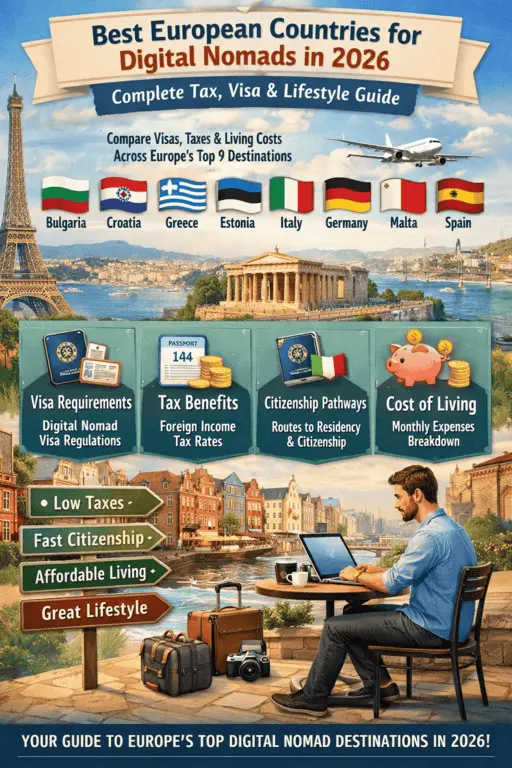
In 2026, over 50 countries offer digital nomad visas. Here are the most popular and easiest options, with details to help you compare.
| Country | Minimum Income | Visa Length | Application Cost | Ease of Process |
|---|---|---|---|---|
| Portugal | $2,800/month | Up to 2 years | $80 | Easy |
| Estonia | $3,000/month | Up to 1 year | $120 | Moderate |
| Costa Rica | $3,000/month | Up to 2 years | $100 | Easy |
| Spain | $2,700/month | Up to 3 years | $85 | Moderate |
| Mexico | $2,500/month | Up to 1 year | $50 | Easy |
| Georgia | $2,000/month | Up to 1 year | Free | Very Easy |
| Dubai (UAE) | $3,500/month | Up to 1 year | $300 | Moderate |
| Barbados | $4,000/month | Up to 1 year | $2,000 | Moderate |
| Croatia | $2,500/month | Up to 1 year | $120 | Easy |
| Thailand | $3,000/month | Up to 5 years | $600 | Moderate |
This table shows the basics, but each visa has unique details. Let’s look closer at what matters for digital nomads.
How Digital Nomad Visas Work
Most digital nomad visas have similar steps:
- Apply online or at a consulate
- Show proof of remote work (contracts, business registration, or payslips)
- Meet minimum income requirements
- Have health insurance
- Submit background checks
- Pay the application fee
- Wait for approval (can take weeks or months)
Some visas are quick and easy, while others are slow or require many documents. For example, Georgia’s visa is almost instant and free, while Barbados is expensive and has extra paperwork. Always check the official websites for current information.
In-depth Comparison: Popular Digital Nomad Visas
Portugal
Portugal’s Digital Nomad Visa is famous for its easy process and flexible stay. You need to earn about $2,800 per month and have proof of remote work. The visa is valid for one year and can be renewed for another year. Portugal is popular among nomads for its mild climate, affordable living, and strong internet. Lisbon and Porto have lively nomad communities and plenty of coworking spaces.
A unique insight: Portugal’s visa lets you bring family members. This is perfect for nomads who travel with partners or children. Also, Portugal allows you to register as a freelancer locally, which can help with taxes.
Estonia
Estonia was one of the first countries to launch a digital nomad visa. It asks for $3,000 per month income and proof of remote work. The visa lasts up to one year. Estonia is known for its digital government, fast internet, and modern cities like Tallinn. The application is online, but approval can take a few weeks.
A tip for beginners: Estonia’s visa is best for solo nomads. If you work as a freelancer or run a business, Estonia’s e-Residency program can help you set up a European company easily.
Costa Rica
Costa Rica’s Remote Worker Visa is popular with North Americans and Europeans. The minimum income is $3,000 per month. The visa lasts up to two years and is easy to renew. Costa Rica offers tropical weather, beaches, and a relaxed lifestyle. Digital nomads love the friendly locals and strong expat community.
A non-obvious insight: Costa Rica has strict rules about health insurance. You must buy local insurance, not just travel insurance. This can add costs, but it also gives you good healthcare access.
Spain
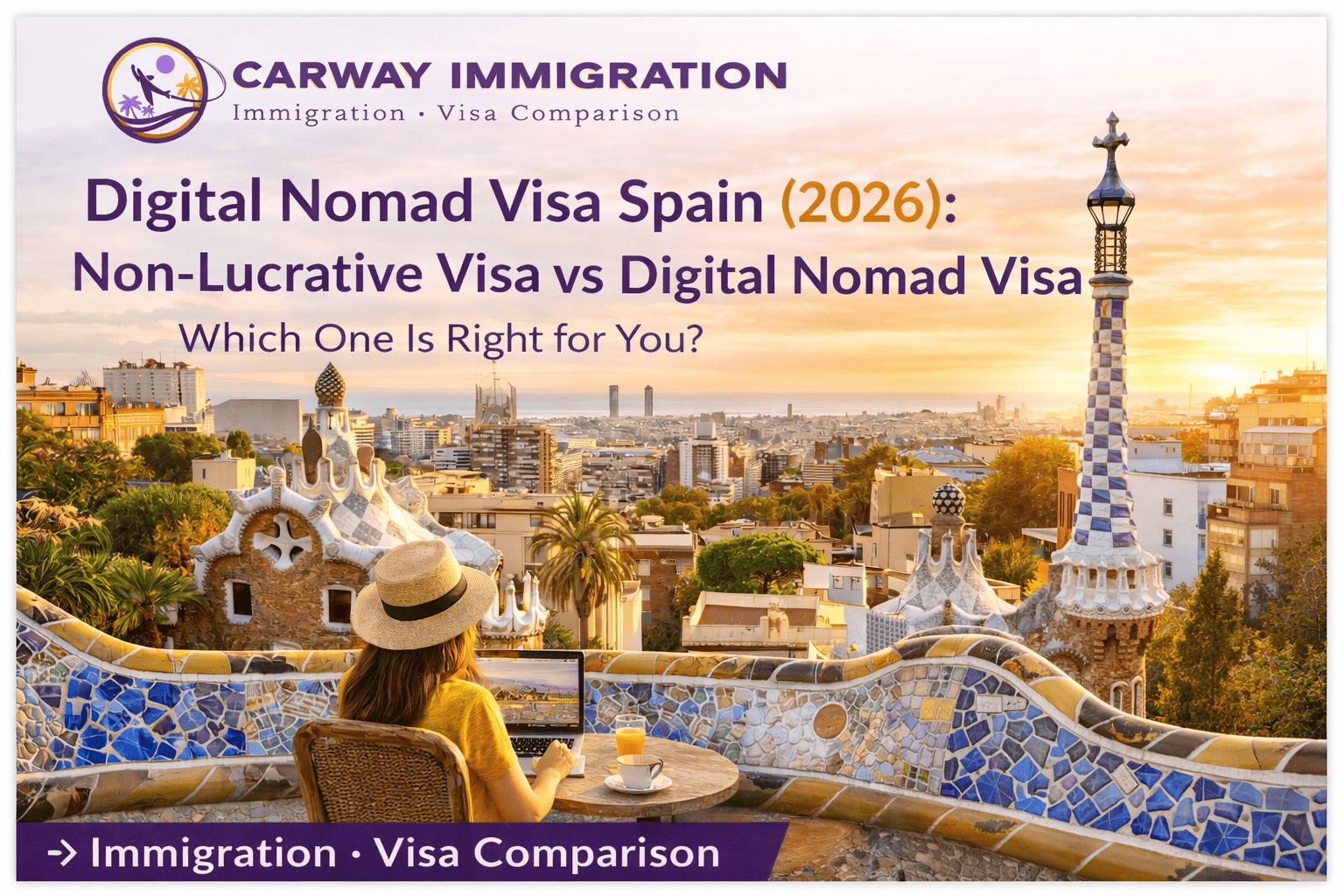
Spain’s Digital Nomad Visa lets you stay up to three years. You need to earn at least $2,700 per month and show proof of remote work. Spain is famous for its culture, food, and cities like Barcelona and Madrid. The visa process is moderate—some paperwork, but not too hard.
What beginners miss: Spain’s visa requires you to register with local tax authorities. You may need to pay local taxes if you stay longer than six months. This is important for planning your finances.
Mexico
Mexico offers an easy Temporary Resident Visa for remote workers. The income requirement is about $2,500 per month. The visa lasts for one year and can be renewed. Mexico is affordable, with great food, beaches, and cities like Mexico City and Playa del Carmen. Internet is good in most cities, but can be weak in rural areas.
A practical tip: Mexico’s visa is not called a “digital nomad visa,” but it works the same way. Many nomads use this option because it is fast and cheap.
Georgia
Georgia has a free and simple visa called Remotely from Georgia. You need to earn $2,000 per month. The visa lets you stay up to one year. Georgia is famous for its easy process, low costs, and friendly attitude toward foreigners. Tbilisi is a favorite city for digital nomads.
A non-obvious detail: Georgia’s visa does not require health insurance, but it is strongly recommended. Medical care is cheap, but quality varies. Always check private clinics.
Dubai (uae)
Dubai’s Remote Work Visa is designed for high-income nomads. The minimum income is $3,500 per month. The visa lasts for one year. Dubai offers luxury living, strong internet, and many business opportunities. The process is moderate—some paperwork and higher fees.
A tip: Dubai’s visa lets you rent apartments and open a local bank account. This is rare in the region. Dubai is best for nomads who want to network and grow their business.
Barbados
Barbados offers the Welcome Stamp visa for remote workers. The income requirement is high—$4,000 per month. The visa lasts for one year. Barbados is a Caribbean paradise with beaches and warm weather. The visa is expensive ($2,000), but the island is safe and beautiful.
A beginner mistake: Many nomads forget about hurricane season. From June to November, storms can affect travel and internet. Always plan your stay outside these months.
Croatia
Croatia’s Digital Nomad Visa is new and easy. You need to earn $2,500 per month. The visa lasts up to one year and can be renewed. Croatia is famous for its coast, historic cities, and affordable living. Split and Zagreb have strong nomad communities.
An insight: Croatia’s visa allows you to register for local healthcare. This is rare in Europe. It’s a big advantage for long-term stays.
Thailand
Thailand’s Long-Term Resident Visa is for remote workers and retirees. The minimum income is $3,000 per month. The visa can last up to five years. Thailand is loved for its food, beaches, and low costs. Bangkok and Chiang Mai are favorite cities for digital nomads.
A detail: Thailand’s visa process is more complex. You must show extra documents, like education or work history. The visa is best for experienced nomads who want to stay long-term.
Comparing Costs And Benefits
Costs are a big factor for nomads. Visa fees, income requirements, and living costs can vary a lot. Here’s a comparison of living costs:
| Country | Average Monthly Rent (City) | Food Costs | Internet Speed |
|---|---|---|---|
| Portugal (Lisbon) | $900 | $300 | 100 Mbps |
| Estonia (Tallinn) | $700 | $250 | 150 Mbps |
| Costa Rica (San Jose) | $500 | $200 | 50 Mbps |
| Spain (Barcelona) | $1,000 | $350 | 120 Mbps |
| Mexico (CDMX) | $650 | $180 | 60 Mbps |
| Georgia (Tbilisi) | $400 | $150 | 70 Mbps |
| Dubai | $1,500 | $500 | 250 Mbps |
| Barbados | $1,800 | $600 | 40 Mbps |
| Croatia (Split) | $600 | $220 | 80 Mbps |
| Thailand (Bangkok) | $500 | $200 | 110 Mbps |
These numbers show why some countries are more popular than others. Portugal, Mexico, and Georgia offer low costs and good internet. Dubai and Barbados are expensive, but offer unique benefits.
Key Factors When Choosing A Digital Nomad Visa
When picking your digital nomad visa, think about these important points:
- Income Requirements: Can you meet the minimum? Some countries ask for high income.
- Visa Length: How long do you want to stay? Short visas are good for trying new places, long visas work for stability.
- Visa Cost: Fees can range from free to $2,000+. Check your budget.
- Living Costs: Rent, food, and transport vary by city. Low living costs can help you save money.
- Internet Quality: Fast internet is essential for remote work. Check the average speed and reliability.
- Community: Some cities have strong digital nomad groups. This can help with networking and support.
- Healthcare: Does the visa include access to local healthcare? If not, buy good insurance.
- Safety and Stability: Is the country safe? Political problems or natural disasters can affect your stay.
- Visa Renewal: Can you renew the visa easily? Some visas allow you to stay longer if you want.
A mistake many beginners make is choosing based only on weather or beaches. While these are important, they do not make up for poor internet or high living costs. Research your destination carefully.
Trends In Digital Nomad Visas For 2026
The number of digital nomads is growing fast. In 2026, experts predict over 40 million people will live the nomad lifestyle. Countries are competing to attract remote workers. New visas appear each year, and old visas become easier to get.
Some trends to watch:
- Remote Work Acceptance: More countries now accept freelancers and business owners, not just remote employees.
- Family-Friendly Visas: Many visas allow you to bring family members, making nomad life easier for couples and parents.
- Tax Benefits: Some countries offer tax discounts or exemptions for digital nomads. This can save you money.
- Digital Services: Countries improve online application systems and offer digital ID cards.
- Community Events: Cities organize coworking events, networking, and workshops for nomads.
A unique insight: Some countries now let you open local bank accounts with a digital nomad visa. This helps manage your money and can make life easier.
Common Mistakes When Applying
New digital nomads often make mistakes with visas. Here are some to avoid:
- Incomplete Documents: Always double-check your paperwork. Missing documents can delay or deny your visa.
- Wrong Insurance: Some visas need local health insurance, not travel insurance. Read the rules carefully.
- Ignoring Taxes: If you stay longer than six months, you may need to pay local taxes. Plan ahead.
- Short Visa Validity: Some visas are valid for only a few months. Make sure you know the rules.
- Not Checking Internet: Good internet is vital. Research before you arrive.
A tip: Use online communities like Nomad List to find real experiences from other nomads.
How To Apply For A Digital Nomad Visa
The process depends on the country, but here is a general guide:
- Research Visa Rules: Visit the official government website for the latest requirements.
- Collect Documents: Prepare proof of income, remote work, insurance, and ID.
- Fill Application Form: Most countries offer online forms. Fill them carefully.
- Pay Fees: Pay the application fee—usually online or at a consulate.
- Submit Application: Submit your documents and wait for approval.
- Travel and Register: After approval, travel to the country and register locally if required.
A practical insight: Some countries require you to register your address after arrival. If you rent an apartment, ask for a lease contract to show local authorities.
Credit: bglegalfirm.com
Best Digital Nomad Visa For Your Lifestyle
The best visa depends on your needs. If you want low costs and easy process, Georgia or Mexico are good choices. For strong communities and culture, try Portugal or Spain. If you want luxury and fast networking, Dubai is best. For tropical beaches and relaxed living, Costa Rica or Thailand are popular.
Think about your work style, travel goals, and budget. The right visa can help you enjoy the digital nomad lifestyle and avoid stress.
Useful Resources For Digital Nomads
Finding the right visa is just one part of the journey. There are many resources to help you plan your life as a digital nomad:
- Nomad List: Compare cities based on cost, safety, and internet quality.
- Remote Work Communities: Join groups on Facebook or Slack for advice.
- Coworking Spaces: Look for coworking spaces in your destination city for networking.
- Official Visa Sites: Always check government websites for the latest visa info.
For more in-depth research, see the official guide at Wikipedia.
Credit: carwaymigrate.com
Frequently Asked Questions
What Is The Average Processing Time For A Digital Nomad Visa?
Most digital nomad visas take 2 to 8 weeks to process. Some, like Georgia, are instant, while others, like Spain, may take longer due to paperwork.
Can I Bring My Family With A Digital Nomad Visa?
Many countries, such as Portugal and Costa Rica, allow you to bring family members. You must show extra income and documents for each person.
Do I Need To Pay Taxes In The Country Where I Get A Digital Nomad Visa?
If you stay longer than 183 days (six months), most countries require you to pay local taxes. Always check the rules and plan your finances.
What Kind Of Work Is Allowed Under A Digital Nomad Visa?
You can work remotely for clients or employers outside the country. Local jobs are not allowed. Freelancers, business owners, and remote employees are all accepted.
What Happens If I Lose My Remote Job While On A Digital Nomad Visa?
You must still meet the income requirements. If you lose your job, some countries may cancel your visa. Always have a backup plan or savings.
Living as a digital nomad is about freedom, adventure, and growth. The right digital nomad visa makes it possible to work, travel, and explore new cultures legally and safely. In 2026, the world is open to remote workers like never before.
Take your time, research carefully, and choose the visa that matches your lifestyle. Your next adventure awaits.