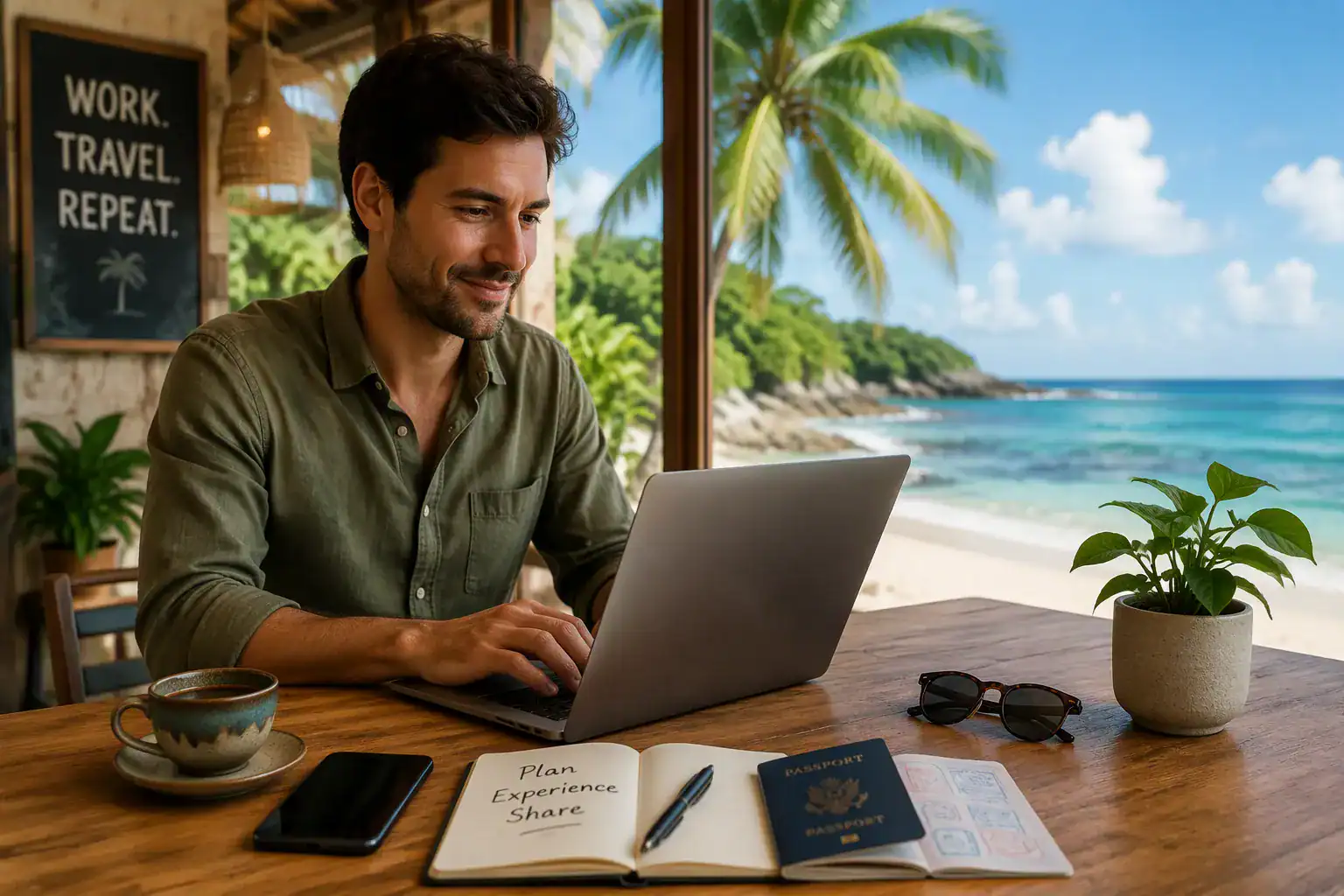
Traveling the world as a digital nomad is a dream for many. The idea of working from a beach in Bali, a cafe in Lisbon, or a mountain cabin in Chile is exciting. However, the costs of accommodation, food, and everyday living can add up quickly, making long-term travel seem out of reach. That’s where work exchange comes in—a creative and affordable way for digital nomads to explore new places, meet people, and keep their travel budgets under control.
Work exchange is not just about saving money. It’s also about cultural exchange, personal growth, and building a lifestyle that feels authentic and sustainable. Let’s look at how work exchange can become a key part of your journey as a digital nomad, what you need to know before you start, and how to make the most of every opportunity.
What Is Work Exchange?
Work exchange is a simple concept: you trade your time and skills for accommodation, meals, or other benefits instead of paying cash. In practice, you might help at a hostel, volunteer on a farm, teach languages, or assist with online marketing for a local business. In return, your host provides a place to stay and sometimes food or other perks.
This system has existed for decades, but it’s become especially popular among digital nomads who want to extend their travels, reduce costs, and immerse themselves in local communities. Modern platforms have made it easy to find hosts around the world, making work exchange more accessible than ever.
Why Work Exchange Appeals To Digital Nomads
For digital nomads, work exchange offers much more than just a cheap bed. Here’s why it’s a perfect fit for this lifestyle:
- Lower Living Costs: Accommodation is often the biggest travel expense. By working a few hours a day, you can save hundreds or even thousands of dollars per month.
- Flexible Arrangements: Most work exchanges offer short-term commitments, from one week to several months. This matches the flexible, mobile lifestyle digital nomads love.
- Community and Networking: Living and working with locals and other travelers helps you make friends and connections, which can lead to new opportunities.
- Cultural Immersion: You’re not just a tourist. You learn about local customs, food, and daily life in ways most travelers never experience.
- Personal Growth: Trying new tasks, adapting to different environments, and learning from hosts can boost your confidence and skills.
- Skill Sharing: Many hosts value digital skills (social media, website design, language teaching) that nomads often have. This means your work can be meaningful and aligned with your expertise.
Main Types Of Work Exchange
Digital nomads can find a wide range of work exchange opportunities. Here are some of the most common:
Hostel And Guesthouse Helpers
Hostels often need help with cleaning, front desk, event planning, or social media. In exchange, you get a bed, sometimes food, and a fun, social atmosphere.
Farm And Eco-project Volunteers
Platforms like WWOOF connect travelers with organic farms. You might help with gardening, animal care, or eco-building. This is great for those wanting a change from screen time.
Teaching And Language Exchange
If you speak English or another in-demand language, you can teach locals or help with language practice. This is popular in Asia, South America, and Eastern Europe.
Digital Marketing And Online Support
Some hosts look for help with their websites, social media, or graphic design. If you have digital skills, you can offer remote help or assist on-site.
House Sitting And Pet Sitting
While not always a formal exchange, caring for someone’s home or pets in return for free accommodation is common in cities and rural areas alike.
Community Projects And Ngos
Nonprofits often look for skilled volunteers to help with administration, fundraising, tech support, or fieldwork.
How Work Exchange Works In Practice
Work exchange is simple in theory, but the details matter. Here’s how the process usually unfolds:
- Find a Host: Use a work exchange platform or local contacts to find opportunities that match your interests and skills.
- Apply and Communicate: Contact the host, introduce yourself, and ask about their needs and expectations. Be honest about your skills and availability.
- Agree on Details: Discuss work hours, tasks, accommodation, meals, and any rules. Most hosts expect 15-25 hours of work per week.
- Arrive and Settle In: Once you arrive, take time to understand your duties and get to know your host and other helpers.
- Work and Explore: Do your agreed tasks well, but also use your free time to explore the area, network, and enjoy local life.
Top Platforms For Finding Work Exchange Opportunities
Finding good hosts is much easier today thanks to specialized websites. Here are the most popular platforms among digital nomads:
| Platform | Main Focus | Membership Fee | Global Reach |
|---|---|---|---|
| Workaway | General (hostels, farms, NGOs, families) | ~$49/year | 180+ countries |
| Worldpackers | Hostels, eco-projects, NGOs | ~$49/year | 140+ countries |
| WWOOF | Organic farms | $20–$60/year (country-based) | 100+ countries |
| HelpX | Farmstays, homestays, hostels | ~$22 (2 years) | Global |
| TrustedHousesitters | House/pet sitting | ~$129/year | Global |
Each platform has its own system, fees, and types of hosts. Take time to browse listings and read reviews from other travelers before making a choice.
What Digital Nomads Need To Consider
Work exchange can be a fantastic experience, but it’s not for everyone. Think carefully about your needs as a digital nomad:
Reliable Internet
If you depend on fast, stable Wi-Fi for your work, confirm this with your host before you agree. Many rural or eco projects have limited internet, which could disrupt your job.
Schedule Flexibility
Some hosts expect you to work fixed hours, while others are more relaxed. Make sure you can balance your work exchange duties with your remote work schedule.
Living Conditions
Be ready for basic or shared accommodation, especially in rural or budget settings. Ask about privacy, quiet hours, and comfort before you arrive.
Legal And Visa Issues
Work exchange is not always considered “work” by local laws, but some countries require special visas for volunteering. Research the rules for your destination to avoid trouble.
Length Of Stay
Short stays (1–2 weeks) are common, but some hosts prefer longer commitments. Choose what fits your travel plans and work needs.
Expectations And Communication
Clear, honest communication with your host is key. Set expectations about your skills, availability, and what you need in return.
Credit: kr-asia.com
Pros And Cons Of Work Exchange For Digital Nomads
To decide if work exchange is right for you, weigh the main benefits and challenges:
| Pros | Cons |
|---|---|
| Save money on accommodation and food | Less privacy, shared spaces |
| Meet locals and other travelers | Possible lack of reliable Wi-Fi |
| Build new skills and experiences | Fixed work schedules may conflict with remote job |
| Experience authentic local culture | May require physical labor or basic living conditions |
| Flexible locations and durations | Visa or legal restrictions in some countries |
How To Choose The Right Work Exchange Opportunity
Not every opportunity is the same. Here’s how to find the best fit for your digital nomad life:
- Check the Reviews: Read feedback from other travelers. Look for red flags like poor communication, unmet promises, or uncomfortable living situations.
- Ask About Internet and Workspace: If your job is online, make sure you’ll have a quiet place and good Wi-Fi.
- Understand the Tasks: Be clear about what you’ll be doing. Will you use your digital skills, or is the work mostly manual?
- Match Your Schedule: Can you choose your hours, or are you needed at set times? Is there time left for your remote work?
- Confirm the Exchange Details: Are meals included? Is it a private room or shared? Are there extra costs?
- Consider the Location: Urban or rural? Is there public transport? Are you close to places you want to explore?
- Trust Your Instincts: If something feels off during communication, look elsewhere. A good host will be open, friendly, and clear.

Credit: www.threads.com
Making Work Exchange Work For Your Digital Nomad Life
To get the most from work exchange, plan ahead and approach each opportunity with an open mind. Here are practical tips for success:
Balance Your Workload
Digital nomads often juggle two roles: remote worker and exchange helper. Make a daily schedule that allows you to do both without stress. For example, you might help the host in the morning and focus on your remote job in the afternoon.
Set Boundaries
Be honest about your work needs. If you have a meeting or deadline, let your host know in advance. Most are understanding if you communicate clearly.
Bring The Right Gear
A portable Wi-Fi hotspot, noise-cancelling headphones, and a reliable laptop charger can be lifesavers in remote areas.
Learn And Share
Use your time to pick up new skills—cooking, gardening, language, or anything your host can teach. At the same time, offer your own skills, especially digital ones. Hosts value help with social media, websites, or marketing.
Document Your Experience
Take notes, photos, or videos of your exchange. Not only is this great for your own memories, but it can also help future hosts or nomads. Some even turn these stories into blog posts or social media content.
Leave A Review
After your stay, leave honest feedback for your host. This helps others choose wisely and encourages good hosts to keep offering great experiences.
Common Mistakes Digital Nomads Make With Work Exchange
Even experienced travelers can face problems if they’re not careful. Here are two less obvious pitfalls to avoid:
- Underestimating the Time Commitment: Some digital nomads take on too much, thinking they’ll easily fit both exchange work and their remote job into each day. In reality, work exchange can be tiring, especially if it’s physical or social. Always ask about expected hours and be realistic about what you can handle.
- Ignoring Local Laws and Visas: Many nomads assume work exchange is always “volunteering,” but in some countries, authorities see it as unpaid work, which can be illegal on a tourist visa. Always check local regulations and, when in doubt, consider applying for a volunteer visa.
Credit: connectpls.com
Stories From Digital Nomads Using Work Exchange
Hearing about real experiences can give you a better sense of what to expect.
- Anna from Germany spent two months helping at a surf hostel in Portugal. She managed the hostel’s Instagram and blog in exchange for a private room and breakfast. She loved the community vibe but sometimes found it hard to get quiet time for her freelance work.
- Lucas from Brazil joined a permaculture project in Thailand. While he enjoyed learning about organic farming, he underestimated how basic the living conditions would be—no hot water, shared rooms, and spotty Wi-Fi. He says the experience taught him to ask more questions before accepting an offer.
- Maya from Canada used her web design skills to help a guesthouse in Mexico revamp their online presence. In return, she stayed in a private casita with reliable internet, which suited her remote work perfectly.
These examples show that every work exchange is unique. Your experience depends on the host, the location, and how well the arrangement fits your work style.
Work Exchange Vs. Other Affordable Travel Options
How does work exchange stack up against other budget travel choices? Here’s a quick comparison:
| Option | Accommodation Cost | Social/Cultural Experience | Flexibility |
|---|---|---|---|
| Work Exchange | Free or very low | High (local immersion) | Moderate (depends on host) |
| Hostels | $10–$40/night | Medium (other travelers) | High (come/go as you like) |
| Short-term Rentals | $25–$100+/night | Low to Medium | High |
| House Sitting | Free | Low (unless hosts are present) | Moderate (set dates) |
| Volunteering (NGOs) | Usually free (sometimes pay a fee) | High | Low to Moderate |
Work exchange offers a unique mix of affordability, cultural experience, and skill sharing that is hard to match, but it does require careful planning and flexibility.
How To Get Started With Work Exchange
If you’re ready to try work exchange as a digital nomad, here’s a step-by-step guide:
- Sign up on one or more platforms like Workaway, Worldpackers, or WWOOF.
- Create a strong profile with photos, a clear description, and your digital skills.
- Browse listings in your target countries and filter for those that match your skills and interests.
- Contact hosts with a personalized message explaining what you can offer and your work needs.
- Ask questions about internet, work hours, accommodation, and anything else that matters to you.
- Get clear agreements in writing, if possible.
- Plan your travel around the confirmed dates. Make sure you have the right visas and travel insurance.
- Stay open-minded and ready to adapt. Every exchange will teach you something new.
For a deeper look into legal issues or the history of work exchange, you can check out this Wikipedia article.
Frequently Asked Questions
What Kind Of Skills Do I Need For Work Exchange As A Digital Nomad?
Most hosts value basic work skills like cleaning, gardening, or helping with guests. However, digital skills—like social media, web design, or language teaching—are in high demand. Even if you don’t have special experience, a positive attitude and willingness to learn go a long way.
Can I Do Work Exchange If I Have A Full-time Remote Job?
Yes, but you need to choose your host carefully. Look for flexible arrangements where you can pick your hours and ensure reliable internet. Be upfront with hosts about your work schedule to avoid conflicts.
How Do I Avoid Scams Or Bad Experiences?
Use trusted platforms, check reviews from previous volunteers, and communicate clearly with your host. Never send money outside of official channels. Trust your instincts—if something feels off, look for another opportunity.
Will I Make Money Through Work Exchange?
Usually, work exchange does not pay cash. The main benefit is free accommodation (and sometimes food) in exchange for your time and skills. If you need income, continue your remote work alongside the exchange, or look for paid freelance gigs.
Do I Need A Visa To Do Work Exchange?
This depends on the country. Some places allow short-term volunteering on a tourist visa, but others require a specific visa for any kind of work. Always check local laws before you go to avoid legal trouble.
Traveling the world as a digital nomad doesn’t have to be expensive. With the right planning, work exchange can help you see more, spend less, and make deeper connections everywhere you go. For many, it’s not just a way to save money—it’s a way to create a richer, more meaningful travel experience.