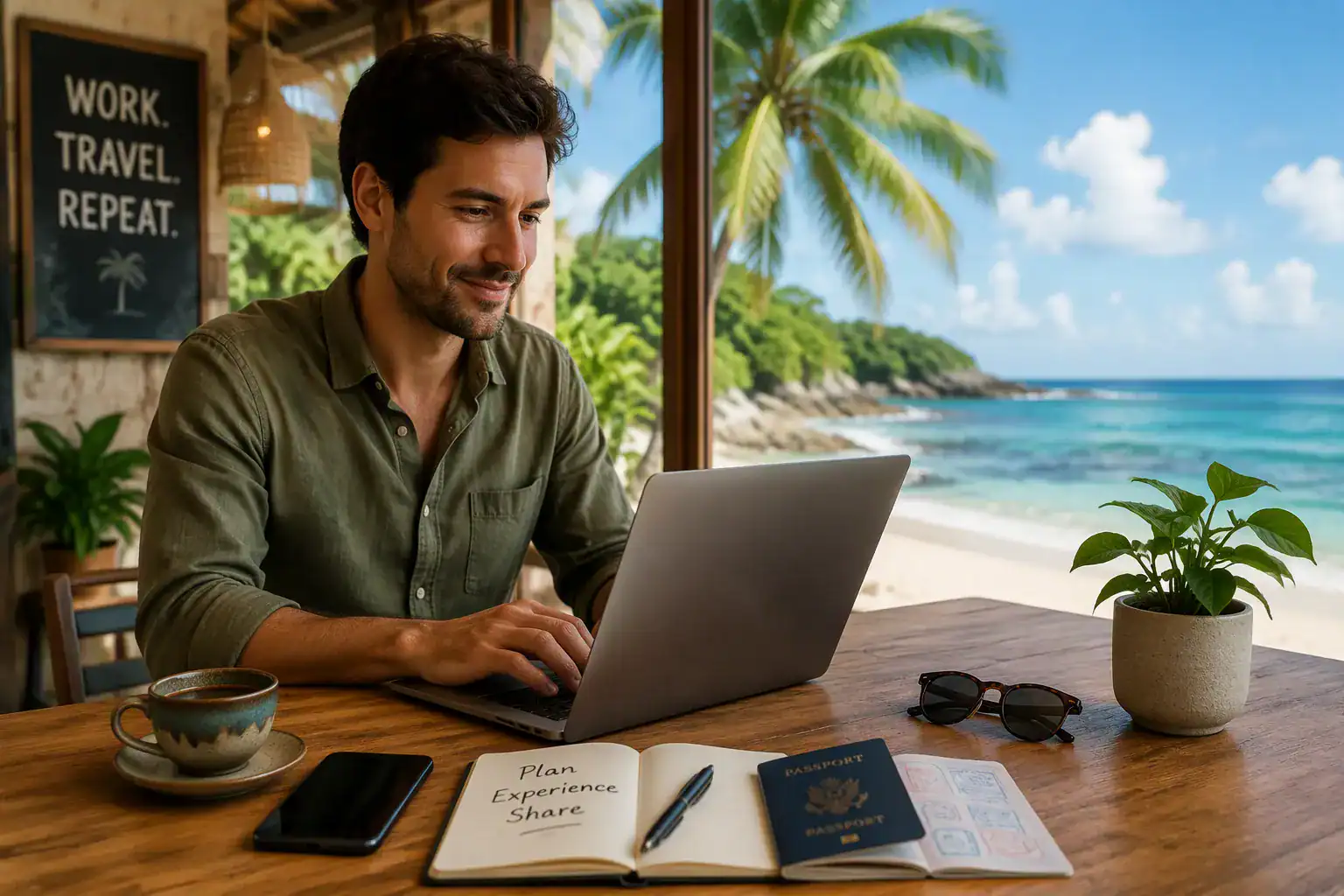
If you’re a digital nomad based in Europe, the summer months can bring challenges. Cities get crowded, prices climb, and the heat sometimes makes working from a laptop feel impossible. Many location-independent professionals start looking for a new base that offers comfort, culture, and reliable infrastructure. Buenos Aires, the capital of Argentina, is an often-overlooked gem for these “summer escapees.” With its European-inspired architecture, strong café culture, and growing digital nomad scene, Buenos Aires is quickly becoming a top pick for remote workers who need a change of scenery.
Why Buenos Aires Attracts Digital Nomads
Buenos Aires stands out for its blend of European flair and Latin American energy. The city offers a unique environment where high-quality living remains affordable, and daily life feels both vibrant and relaxed. For remote workers, the city’s late-night culture means you can easily adjust your schedule to overlap with European or US time zones.
The city’s public Wi-Fi is widespread, and there are plenty of coworking spaces, making it easy to stay productive. Many find the Argentine peso’s favorable exchange rate a big advantage, especially if you earn in euros or dollars. This means you can enjoy more for less, from steak dinners to tango shows.
The Best Neighborhoods For Nomads
Choosing the right neighborhood in Buenos Aires can shape your whole experience. Here’s a quick comparison of popular districts for digital nomads:
| Neighborhood | Vibe | Average Monthly Rent (1 BR, USD) | Best For |
|---|---|---|---|
| Palermo | Trendy, lively, green spaces | 600-900 | Cafés, nightlife, parks |
| Recoleta | Elegant, classic, quieter | 500-800 | Historic sites, upmarket living |
| San Telmo | Bohemian, artsy, historic | 400-700 | Art, vintage markets, tango |
| Microcentro | Downtown, business-focused | 450-750 | Proximity to offices, transport |
| Belgrano | Residential, relaxed | 500-750 | Peaceful living, families |
Palermo is the go-to for most digital nomads, thanks to its endless supply of coffee shops, leafy parks, and social atmosphere. If you crave more tranquility, Recoleta and Belgrano offer a slower pace and elegant streets. For those interested in history and art, San Telmo provides a creative backdrop with its cobbled lanes and street murals.
Cost Of Living: Quality For Less
One of the main draws for Europeans escaping summer is the affordable cost of living in Buenos Aires. Compared to cities like Barcelona or Berlin, you’ll find your money goes much further here.
- Rent: A furnished one-bedroom apartment in Palermo ranges from $600–$900 per month. Utilities add $40–$70.
- Coffee: A cappuccino costs about $1.50–$2.
- Groceries: A week’s groceries for one person is roughly $20–$35.
- Eating Out: A quality steak dinner with wine can be under $15.
- Transport: Subways and buses are less than $0.30 per ride.
The biggest cost variable is the exchange rate. Argentina’s inflation means prices can change quickly, but earning in a strong foreign currency gives you a strong advantage.
Navigating Currency And Payments
Argentina’s financial system can confuse newcomers. The official exchange rate (the “blue dollar” vs. bank rate) means your euros or dollars can be worth far more if exchanged in cash rather than through banks. Many nomads use Western Union or fintech options to send money to themselves at a much better rate.
Key tips:
- Bring some cash (USD or EUR) to exchange at authorized dealers or casas de cambio.
- Use Western Union for larger transfers — you’ll often get nearly double the official rate.
- Most shops and restaurants accept credit cards, but some small businesses prefer cash.
- Always double-check prices before paying, as inflation can change costs quickly.
Internet, Coworking, And Work Culture
Buenos Aires is a tech-savvy city. Internet speeds in most apartments and coworking spaces range from 50 to 300 Mbps, which is more than enough for remote work, video calls, or streaming. Public Wi-Fi is available in parks, libraries, and many cafes.
Coworking is popular, with dozens of spaces scattered across the city. Here’s a quick look at the most popular coworking options and how they compare:
| Coworking Space | Neighborhood | Day Pass (USD) | Monthly Pass (USD) | Notable Features |
|---|---|---|---|---|
| AreaTres | Palermo | 15 | 180 | Community events, fast Wi-Fi |
| WeWork | Microcentro | 25 | 250 | 24/7 access, central location |
| La Maquinita | Multiple | 12 | 140 | Relaxed vibe, workshops |
| Urban Station | Palermo | 10 | 120 | Pay-per-hour, flexible seating |
Non-obvious insight: Many cafes in Buenos Aires let you work for hours without pressure to leave, especially if you order food or drinks. However, some don’t have power outlets or strong Wi-Fi, so check before settling in.
Weather: Your Seasonal Advantage
While Europe is sweating through 35°C days, Buenos Aires is in the middle of its mild winter (June–September). Typical temperatures are 10–18°C, with occasional rain. For digital nomads, this means comfortable days for walking, exploring, and working without overheating.
Spring (September–November) offers even better conditions: blooming jacaranda trees, sunny afternoons, and outdoor festivals. If you’re escaping the European heat, Buenos Aires gives you a refreshing change of pace.
Getting Around The City
Buenos Aires has a well-developed public transport system. The Subte (subway), colectivos (buses), and suburban trains cover the whole city. You’ll need a SUBE card to use the network, which you can buy at most kiosks and charge with cash.
- Subte: Fastest for central neighborhoods; trains run every 3–5 minutes during rush hour.
- Colectivos: Buses go everywhere, 24/7. Google Maps works well for planning routes.
- Biking: The city has over 250 km of bike lanes and a free public bike system (Ecobici).
- Taxis and Rideshares: Uber, Cabify, and local apps like BA Taxi are widely used.
Practical tip: Avoid traveling during the morning and evening rush if you want to skip crowded trains and buses. Walking is also pleasant in most central neighborhoods.
Local Sim Cards And Connectivity
Staying connected is crucial for digital work. Getting a local SIM is easy:
- Main providers: Movistar, Claro, Personal
- Where to buy: Kiosks, official stores, airports
- Typical costs: $3–$5 for SIM, $10–$15 for 10 GB/month
Most plans include good 4G coverage in the city. Top up credit online or at corner stores. ESIM options are available for newer phones.
Non-obvious insight: Free public Wi-Fi is common in government buildings, parks, and on the Subte platforms, but speeds vary. Always secure your connection with a VPN when using public Wi-Fi.
Credit: shop.lonelyplanet.com
Visas And Entry Requirements
For most Europeans, entering Argentina is simple. Tourist visas are not required for up to 90 days, which can be renewed with a quick border run to Uruguay or Brazil. Argentina is working on a digital nomad visa, but as of now, most nomads use the tourist visa option.
Documents to bring:
- Passport valid for at least 6 months
- Proof of onward travel (sometimes requested)
- Health insurance covering Argentina
Important: Immigration rules can change. Always check the latest requirements before booking your flight.
Health, Safety, And Practical Living
Buenos Aires is generally safe for digital nomads, but like any big city, it has areas to avoid at night. Petty crime (like pickpocketing) can happen in crowded places, so stay alert. Use common sense with your belongings, especially in touristy areas.
Healthcare: The city has both public and private hospitals. Private care is high quality and affordable compared to Europe. Pharmacies are everywhere and open late.
Tip: Many doctors and clinics accept walk-ins, but it’s smart to have health insurance that covers private hospitals.
Time Zone, Work-life Balance, And Community
Buenos Aires is GMT-3, which means:
- 3–5 hours behind Europe: Afternoon meetings line up well with European mornings.
- 1–2 hours ahead of US East Coast
This time zone works well for remote teams. Many nomads report better work-life balance, as the city’s late-night culture means you can enjoy evenings out after work.
The digital nomad community is growing. Facebook groups, WhatsApp chats, and coworking events are good places to meet other remote workers. Many expats gather in Palermo’s bars and cafes, and language exchanges are common.
Culture, Food, And Social Life
Buenos Aires is packed with culture. Museums, theaters, art galleries, and live music are everywhere. The city is famous for tango, street art, and its literary history.
Food highlights:
- Steak (asado): World-famous, best eaten in a traditional parrilla.
- Empanadas: Perfect snack for coworking breaks.
- Helado (gelato): Italian-style ice cream, with dulce de leche a must-try flavor.
- Mate: Argentina’s traditional tea, shared among friends.
Vegetarian and vegan options are growing, especially in Palermo. International food is also easy to find.
Social tip: Argentines are warm and social. Don’t be surprised if new friends invite you for dinner or a weekend getaway.
Credit: www.under30experiences.com
Practical Challenges (and How To Beat Them)
Buenos Aires is rewarding, but it’s not always smooth sailing. Here’s how to handle common nomad issues:
- Changing prices/inflation: Always double-check costs, budget for increases, and use up-to-date apps to track exchange rates.
- Language barrier: English is spoken in tourist areas, but Spanish is essential for daily life. Basic phrases go a long way.
- Power outages: Not common, but can happen during storms. Keep a portable charger on hand.
- Bureaucracy: Opening a local bank account as a foreigner is hard. Use Wise, Revolut, or similar services for transfers.
- Healthcare navigation: Private clinics usually have English-speaking doctors. Public hospitals may have long waits.
Day Trips And Weekend Escapes
One advantage of basing yourself in Buenos Aires is easy access to quick getaways. Here are some top options:
- Tigre Delta: One hour by train, famous for river islands and boat rides.
- Colonia del Sacramento (Uruguay): A UNESCO town across the river — ferry takes one hour.
- San Antonio de Areco: Classic gaucho town, perfect for horseback riding and traditional food.
- La Plata: University city with a stunning cathedral and lively culture.
These trips give you a break from the city and a taste of Argentina’s countryside or neighboring Uruguay.
How Buenos Aires Compares To Other Digital Nomad Cities
Buenos Aires offers a mix of affordability, culture, and digital infrastructure that’s rare in major cities. Here’s a direct comparison with two European summer hotspots:
| Feature | Buenos Aires | Barcelona | Lisbon |
|---|---|---|---|
| Monthly Rent (1 BR, central) | $700 | $1,500 | $1,400 |
| Coffee (cappuccino) | $1.50 | $2.80 | $3.00 |
| Internet Speed (Mbps) | 100–300 | 150–600 | 100–300 |
| Climate (July) | 10–18°C, mild winter | 25–35°C, peak summer | 22–32°C, hot summer |
| Visa-Free Stay (Europeans) | 90 days | Unlimited (EU) | Unlimited (EU) |
Buenos Aires wins on affordability and climate for those wanting to avoid European heat. The tradeoff: you’re further from Europe, but you gain a new cultural perspective.
Essential Apps And Tools
To make your Buenos Aires nomad life smoother, consider these apps:
- BA Cómo Llego: Public transport planner
- PedidosYa: Food delivery from top restaurants
- MercadoPago: Mobile payments and QR codes
- Google Translate: For menu and conversation help
- Meetup/Facebook Groups: Find events and meetups for expats and nomads
Packing And Preparation Tips
Buenos Aires’ winter is mild, but pack layers: sweaters, a light jacket, and comfortable shoes for walking. Bring a universal adapter (Argentina uses types C and I plugs). If you have specific tech needs, buy before you arrive, as electronics cost more locally.
Remember, plug adapters do not convert voltage. Argentina uses 220V, so check your devices.
Practical tip: Bring a backup credit card and always have some cash on hand.
Integrating With Local Life
Making the most of Buenos Aires means embracing the local rhythm. Dinner usually starts after 9 p. m. , and weekends are for late nights and relaxed mornings. Learning some Spanish will open more doors, from negotiating rent to making friends.
Argentines love talking politics and football, so be open to lively conversations. Respect the local custom of greeting with a kiss on the cheek, and don’t be surprised if you’re invited to share mate or join a family barbecue.
Credit: www.elitetravelct.com
Sustainability And Remote Work
Buenos Aires is making progress on sustainability, with recycling programs, urban gardens, and bike lanes. As a digital nomad, use reusable water bottles and bags, and support local businesses. Many coworking spaces also focus on community and environmental impact.
If you want to work for a cause, volunteer opportunities are available in education, environment, and social projects.
Frequently Asked Questions
Is Buenos Aires Safe For Solo Digital Nomads?
Buenos Aires is generally safe, especially in central and popular neighborhoods like Palermo, Recoleta, and Belgrano. Take regular city precautions: avoid flashing valuables, use rideshares at night, and stay alert in crowded places.
What’s The Best Way To Send Money To Argentina?
Using Western Union or similar services gives the best exchange rates for foreign currency. Avoid bank transfers, as the official rate is less favorable. Always compare rates before sending large amounts.
Can I Find Vegetarian Or Vegan Food Easily?
Yes. While Buenos Aires is famous for steak, there’s a growing vegetarian and vegan scene, especially in Palermo and San Telmo. Look for “comida vegetariana” or “vegana” on menus.
How Do I Meet Other Digital Nomads In Buenos Aires?
Join coworking spaces, attend language exchanges, and use expat Facebook groups. Many bars and cafes host weekly meetups for remote workers. Apps like Meetup also list regular events.
Do I Need Health Insurance To Visit Buenos Aires?
While it’s not always checked at the border, private health insurance is strongly recommended. It ensures access to high-quality private clinics and covers emergencies.
—
Buenos Aires offers location-independent professionals a unique mix of European comfort, Latin American excitement, and affordability. If you’re ready to escape the European summer crowds and work from a city that’s both dynamic and welcoming, Buenos Aires makes a compelling case. For more details on visas and local regulations, check the official Digital Nomad Wikipedia page. The city might just be your next favorite remote work destination.