

If you dream of working online while exploring Europe, you’ve probably heard about the Schengen 90/180 rule. For digital nomads, this rule is both a gateway and a limit. It opens the door to 27 European countries, but it also sets strict boundaries on how long you can stay. Many nomads get confused by the rolling dates, the new EES system, and how days spent in different countries count toward the total. A simple mistake can mean overstaying, fines, or even a ban from the Schengen Area.
This guide clears up the confusion. You’ll understand exactly what the Schengen 90/180 rule means, how the Entry/Exit System (EES) changes the game, and what digital nomads must do to stay legal. We’ll walk through 180 practical points—yes, every single item you need to know—so you can plan your European adventure without stress. Whether you’re new to the world of remote work or a seasoned traveler, this article gives you concrete answers and strategies.
Understanding The Schengen 90/180 Rule
The Schengen 90/180 rule is simple on paper: you can stay in the Schengen Area for up to 90 days in any rolling 180-day period. But in practice, it’s easy to slip up. The rule covers all short-term visits, including tourism and business, and applies to people from “visa-free” countries like the US, Canada, Australia, and Japan.
1. What Is The Schengen Area?
The Schengen Area is a group of 27 European countries that have removed border controls between each other. It includes popular countries like France, Spain, Germany, Italy, and Greece. Each country does not check your passport when you travel between them.
2. Who Needs To Follow The 90/180 Rule?
Anyone entering the Schengen Area as a tourist or short-term visitor, especially from visa-free countries, must respect the 90/180 rule. If you have a long-term visa or residence permit, different rules apply.
3. How Does The 90/180 Calculation Work?
Your 90 days are counted in a rolling window, not by calendar months or trips. Each day you stay in the Schengen Area counts. The rolling window always looks back 180 days from the current date.
4. Why Does This Rule Matter For Digital Nomads?
Digital nomads often move from country to country. The 90/180 rule means you can’t just hop between Schengen countries endlessly. Overstaying can mean heavy penalties.
5. Can You Reset Your 90 Days By Leaving And Re-entering?
No. Leaving and coming back does not reset your 90 days. You must always count your last 180 days.
6. What If You Visit Non-schengen Countries?
Time spent outside the Schengen Area (like the UK, Croatia before 2023, or Turkey) does not count toward your 90 days.
7. What Happens If You Overstay?
Overstaying can lead to fines, deportation, or a ban from all Schengen countries for years.
8. Are There Exceptions For Remote Workers?
No. The 90/180 rule applies to tourists and digital nomads alike unless you have a special visa.
9. How Do You Check Your Schengen Days?
Use an official calculator or track manually on a calendar. The European Commission has an online calculator.
10. How Do Border Officials Check Your Days?
They check passport stamps and, soon, the digital EES system (explained below).
The Ees (entry/exit System): What’s New For Digital Nomads?
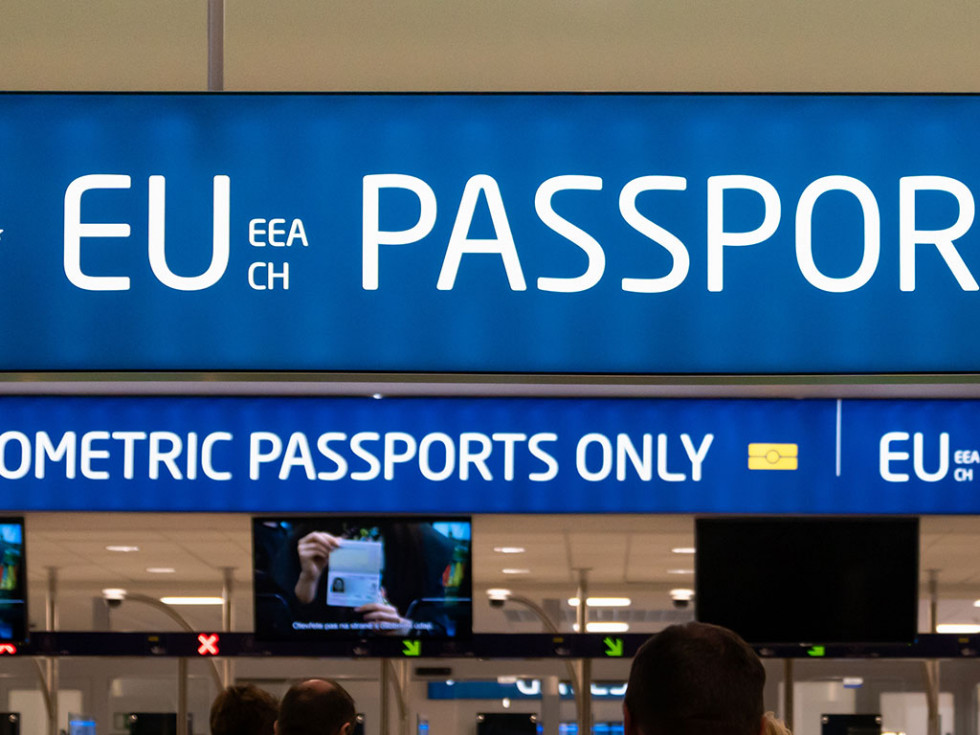
The EES is a new European system that records your entry and exit at Schengen borders electronically. For nomads, this means your days are counted with no room for error.
11. What Is The Ees?
The Entry/Exit System (EES) is a digital record of when and where you enter and leave the Schengen Area. It replaces the old passport stamp system.
12. When Does The Ees Start?
It is expected to launch in 2024.
13. Who Is Affected By The Ees?
All non-EU nationals, including digital nomads and tourists from visa-free countries.
14. What Data Does The Ees Collect?
Your name, passport number, entry/exit date and place, and biometric data like fingerprints or facial scans.
15. Why Is The Ees Important For Digital Nomads?
Manual errors or missing stamps will no longer help you. The system is strict and automatic.
16. Can You Dispute Ees Records?
It will be difficult. The EES is designed to be the final word on your days in Schengen.
17. How Does The Ees Affect Overstays?
If you overstay, the EES will trigger automatic alerts to border guards.
18. Will Ees Help Honest Travelers?
Yes. If you are wrongly accused of overstaying, you can ask to check your EES data.
19. Is Ees Linked To Etias?
Yes. The upcoming ETIAS travel authorization system will use EES data to track compliance.
20. What If You Lose Your Passport?
The EES links records to your identity, not just your passport number.

Credit: www.nomadvibe.co
180 Must-know Points For Digital Nomads On Schengen 90/180 Rule
21. Every Day Counts, Including The Day You Enter And The Day You Leave.
22. You Can Visit Multiple Schengen Countries, But The Total Must Not Exceed 90 Days In Any 180 Days.
23. The 180-day Window Is Always Moving. Day By Day, The Window Shifts Forward.
24. Short Trips In And Out Add Up Quickly.
25. If You Stay 90 Days Straight, You Must Leave For 90 Days Before Returning.
26. Entering A Non-schengen Country “pauses” Your Count.
27. Not All European Countries Are Schengen (e.g., The Uk, Ireland, Cyprus).
28. Croatia Joined Schengen In 2023, So It Now Counts Toward Your Total.
29. Bulgaria And Romania Will Likely Join Schengen Soon.
30. Schengen Visas Are Different From Long-term National Visas.
31. If You Get A National Visa (for Example, Spain’s Digital Nomad Visa), Schengen Rules May Not Apply.
32. Some Digital Nomad Visas Allow You To Stay Longer In One Country, But You Can’t Use Them For Unlimited Schengen Travel.
33. The Ees Will End “border Hopping” Tricks.
34. Always Keep Track Of Your Entry And Exit Stamps Until Ees Is Fully Live.
35. The Schengen Calculator Is Your Friend. Use It Regularly.
36. Some Entry Points May Stamp You Out Even If You Use An Automated Gate.
37. Overstaying By Even One Day Is Risky.
38. Fines For Overstaying Vary By Country—from €100 To €1,200 Or More.
39. Some Countries May Give You A “voluntary Departure” Order If You Overstay.
40. Repeat Overstays Can Lead To A Multi-year Schengen Ban.
41. You Cannot Work For Local Companies On A Tourist Stay, Even As A Digital Nomad.
42. Remote Work For Clients Outside The Schengen Area Is Usually Tolerated On A Short Stay.
43. If You Are Paid By A Schengen Company, You Need A Work Visa.
44. Some Countries, Like Portugal Or Estonia, Have Special Digital Nomad Visas.
45. Not All Digital Nomad Visas Allow Schengen-wide Travel.
46. The 90/180 Rule Is Not The Same As A “90-day Visa.”
47. You Do Not Need To Apply For A Schengen Visa If Your Country Is Visa-free.
48. If You Need A Schengen Visa, The 90/180 Rule Still Applies.
49. Schengen Visas Are Usually Single Or Multi-entry.
50. Multi-entry Visas Do Not Let You Break The 90/180 Rule.
51. Your Passport Must Be Valid For At Least Three Months Beyond Your Planned Departure.
52. Carry Proof Of Onward Travel When You Enter Schengen.
53. Some Countries Ask For Proof Of Accommodation Or Travel Insurance.
54. Border Officers Can Deny Entry, Even If You Have Days Left.
55. Have A Travel Plan Ready To Show, If Asked.
56. Digital Nomads Are Often Asked About Work. Say You Are Working Online For Foreign Clients.
57. Do Not Say You Are Looking For A Job In Schengen.
58. Always Be Polite With Border Officials.
59. If You Are Denied Entry, You Must Follow Their Instructions.
60. You Can Appeal A Schengen Ban, But It’s Difficult.
61. If You Have A Schengen Ban, It Applies To All 27 Countries.
62. You Cannot “reset” Your Days By Flying To A Nearby Country And Back.
63. Plan Your Travel Around The 90-day Rule, Not By Country.
64. Use A Spreadsheet To Track Your Days.
65. Calendar Apps Can Help, But Check With An Official Calculator.
66. If You Travel A Lot, Double-check Your Math Often.
67. Miscounting Is The 1 Mistake By Digital Nomads.
68. Each Entry And Exit Counts As A New Rolling Calculation.
69. If In Doubt, Leave Earlier.
70. It’s Better To Have Unused Days Than To Risk Overstaying.
71. You Can Use Your 90 Days All At Once Or Split Them.
72. Back-to-back Stays In Schengen Are Not Allowed If You Reach 90 Days.
73. Your 180-day Window Always Looks Back From Today’s Date.
74. The 180-day Period Does Not Restart After You Leave.
75. If You Stay 90 Days, You Must Wait 90 Days Outside Schengen Before Returning.
76. You Can Mix Short And Long Trips, But The Total Days Matter.
77. Keep Copies Of Tickets And Bookings As Proof Of Your Travel History.
78. Some Border Points Are Stricter Than Others.
79. Nordic And Baltic Countries Are Very Strict About Overstays.
80. Southern Countries May Be More Relaxed But Do Not Count On It.
81. The Ees Will Make Border Rules Consistent Everywhere.
82. The 90/180 Rule Applies Regardless Of Your Travel Method (plane, Train, Car, Ferry).
83. Internal Schengen Flights Are Treated Like Domestic Flights.
84. Land Borders May Have Fewer Checks, But Ees Will Change This.
85. Ferry Routes Between Schengen Countries Are Covered By The Same Rule.
86. The Rule Applies To Islands, Too (canary Islands, Madeira, Azores).
87. Some Microstates (monaco, San Marino, Vatican) Are De Facto Schengen.
88. Andorra And San Marino Are Not Schengen, But You Must Cross Schengen To Reach Them.
89. Liechtenstein Is A Schengen Country.
90. Switzerland Is In Schengen, But Not In The Eu.
91. Iceland And Norway Are Schengen, But Not In The Eu.
92. The Uk And Ireland Are Not In Schengen.
93. Albania, Montenegro, Serbia, And North Macedonia Are Not Schengen.
94. Georgia And Armenia Are Not Schengen.
95. Russia And Belarus Are Not Schengen.
96. Turkey Is Not Schengen.
97. Morocco Is Not Schengen.
98. Cyprus Is In The Eu But Not Yet In Schengen.
99. Always Check For Updates On Schengen Expansion.
100. If You Fly To Schengen From A Non-schengen Country, Your 90/180 Count Starts On Entry.
101. If You Travel Overland, Your Count Starts At The Border Crossing.
102. Some Countries May Stamp You In/out Even At Internal Borders.
103. Keep All Boarding Passes Until Ees Is Fully Live.
104. Ees Will End The Risk Of “unstamped” Entries Or Exits.
105. Ees Will Make Overstays Much Harder To Hide.
106. You Cannot “hide” In Schengen Countries Without Being Counted.
107. Ees Will Share Your Travel Data Between All Schengen Countries.
108. If You Leave Schengen Before 90 Days, You Can Return If You Have Days Left In The Rolling Window.
109. Do Not Rely On Airline Staff To Check Your Schengen Days.
110. Immigration Control Is Your Responsibility.
111. Each Schengen Visit Is Counted In The Rolling 180-day Window.
112. Your 90 Days Can Be Spread Across Different Trips.
113. If You Have 30 Days Left After One Trip, You Can Use Those Later.
114. Always Calculate Your Days Before Booking New Trips.
115. If You Visit For 60 Days, Leave For 60, And Come Back, Check Your Window.
116. Past Trips Can Affect Your Future Schengen Days.
117. Use Official Sources For Rule Changes: european Commission: Schengen Area.
118. Join Digital Nomad Forums For Real-life Experiences.
119. Some Embassies Publish Helpful Faqs For Travelers.
120. If You Have A Schengen Visa, Check The “duration Of Stay” Section.
121. Never Travel On An Expired Passport.
122. Renew Passports Before They Drop Below 6 Months’ Validity.
123. Some Countries Require Return Or Onward Tickets.
124. Check Entry Requirements Before Each Trip.
125. Digital Nomads Sometimes Get Extra Questions At Borders.
126. Show Proof Of Income If Asked.
127. Carry A Business Card Or Freelance Profile.
128. Do Not Mention Plans To “move To Europe” On A Tourist Stay.
129. Do Not Carry Large Amounts Of Work Equipment That Suggests Local Business.
130. Keep Personal And Business Expenses Separate.
131. If You Earn Income Locally, You May Need To Pay Taxes.
132. Ask A Tax Adviser About Your Situation.
133. Health Insurance Is Required For Schengen Visas.
134. Travel Insurance Is Strongly Recommended For All Stays.
135. Some Digital Nomad Visas Require Private Health Insurance.
136. European Health Insurance Card (ehic) Is Only For Eu Residents.
137. Digital Nomads Should Get Global Health Insurance.
138. Some Countries Require Proof Of Funds (e.g., €40/day).
139. Bank Statements Are Often Accepted As Proof.
140. Credit Cards Alone May Not Be Enough.
141. Local Sim Cards Can Help You Stay In Touch.
142. Free Wi-fi Is Common But Not Universal.
143. Use Vpns For Online Work And Privacy.
144. Co-working Spaces Are Popular In Big Cities.
145. Cafés Are Mostly Laptop-friendly, But Buy Something.
146. Public Libraries Can Be Quiet Places To Work.
147. Check Local Holidays For Closures.
148. Some Cities Have Digital Nomad Meetups.
149. Language Barriers Vary By Country.
150. English Is Widely Spoken In The Netherlands, Sweden, And Denmark.
151. In France, Spain, And Italy, Learn A Few Basic Local Words.
152. Download Offline Maps For Travel.
153. Use Public Transport Apps For Easy Movement.
154. Uber And Taxis Are Available In Most Cities.
155. Buses And Trains Link All Schengen Countries.
156. Some Countries Have Cheap Rail Passes.
157. Internal Flights Are Often Fast And Affordable.
158. Budget Airlines Connect Major Cities.
159. Book Tickets Early For The Best Deals.
160. Use Luggage Lockers At Stations For Flexible Days.
161. Accommodation Options Include Hostels, Hotels, Airbnb, And Co-living Spaces.
162. Long-term Rentals May Require A Local Address.
163. Short-term Rentals Are Easier For Digital Nomads.
164. Some Countries Offer Tax Breaks For Remote Workers.
165. Check Local Laws Before Renting A Car.
166. International Driving Permits Are Needed In Some Places.
167. Traffic Rules Can Be Strict (speeding Fines, Etc.).
168. Cycling Is Popular In The Netherlands And Germany.
169. Many Cities Have Bike-share Schemes.
170. Tap Water Is Safe In Most Schengen Countries.
171. Tipping Customs Vary—check Before You Go.
172. Credit Cards Are Accepted Almost Everywhere.
173. Cash Is Still Needed In Rural Areas.
174. Atms Are Widespread.
175. Currency Is The Euro In Most Schengen Countries.
176. Switzerland Uses The Swiss Franc.
177. Norway And Iceland Use Their Own Currency.
178. Check Exchange Rates Before Traveling.
179. Emergency Number 112 Works Across Schengen.
180. Register With Your Embassy For Safety Alerts.
Key Data: Schengen 90/180 Rule Vs. Digital Nomad Visas
To help you compare, here’s a look at how the 90/180 rule stacks up against digital nomad visas:
| Feature | Schengen 90/180 Rule | Digital Nomad Visa |
|---|---|---|
| Stay Duration | Up to 90 days in any 180 | Usually 1-2 years |
| Work Permission | Remote work only for non-Schengen clients | Work for foreign clients allowed, sometimes local work permitted |
| Application Needed | No, if visa-free | Yes, with documents |
| Schengen-wide Travel | Yes, within 90/180 limit | Often limited to one country |

Credit: www.visahq.com
Ees Vs. Passport Stamp Tracking
Compare how the new EES will change border controls for digital nomads:
| Feature | Passport Stamps | EES (Entry/Exit System) |
|---|---|---|
| Accuracy | Manual, prone to error | Automatic, digital record |
| Data Shared | Not always consistent | Shared across Schengen |
| Proof of Stay | Physical stamps | Electronic record |
| Disputing Errors | Possible with evidence | Difficult, official system |
Common Mistakes And How To Avoid Them
Many digital nomads run into trouble with the Schengen 90/180 rule. Here’s how to avoid the most frequent problems:
- Miscounting days: Always use a calculator, not just memory.
- Ignoring the rolling window: Don’t assume a calendar year or fixed period.
- Relying on passport stamps: Use your own records, especially before EES.
- Booking flights without checking days: Count before you buy.
- Not considering previous trips: Past entries affect your total.
- Assuming all of Europe is Schengen: Double-check country status.
- Not knowing about EES: Be ready for stricter controls.
A smart tip: Leave a buffer of a few days in your plan. If a flight is delayed or canceled, you won’t accidentally overstay.
Credit: echeverriaabogados.com
Frequently Asked Questions
What Is The Schengen 90/180 Rule For Digital Nomads?
The Schengen 90/180 rule means you can stay up to 90 days within any 180-day period in the 27 Schengen countries. It is a rolling window, and all days spent in Schengen countries count toward your total.
Can I Work Remotely In The Schengen Area As A Digital Nomad?
Yes, as long as you work for clients or companies outside the Schengen Area and do not engage in local employment. For local work, you need a work or digital nomad visa.
What Happens If I Overstay The 90 Days?
Overstaying can result in fines, a ban from Schengen countries, and problems with future travel. The new EES will make overstays much more obvious.
Does The 90/180 Rule Apply To Every Schengen Country Separately?
No. The rule applies to the entire Schengen Area as one block. Days in any Schengen country are added together.
How Can I Track My Schengen Days Accurately?
Use the official Schengen calculator, keep personal records, and check all your entry and exit dates. With EES, all your movements will be recorded electronically.
Traveling Europe as a digital nomad is possible—and rewarding—if you plan carefully. Master the 90/180 rule, stay flexible, and keep good records. By understanding the rules and using the right tools, you can enjoy the best of Europe without legal headaches.