
Being a digital nomad is more than just a lifestyle—it’s a continuous journey of freedom, flexibility, and adaptation. As global borders change and visa rules evolve, knowing the latest visa thresholds becomes essential for anyone living and working remotely across countries. If you’re looking ahead to 2026, you’ll need a reliable way to track which countries welcome remote workers, which have strict requirements, and how you can plan your next move. The Mid-2026 Visa Threshold Tracker is your essential tool for this purpose.
This guide is designed for location-independent professionals who want clear, actionable information about working and living worldwide. We’ll explore the visa threshold concept, explain why it matters, and provide practical examples and comparisons. Whether you’re a seasoned traveler or just starting your remote work journey, this article will help you stay ahead in the fast-changing world of digital visas.
Understanding Visa Thresholds
Visa thresholds refer to the minimum requirements set by countries for entry or residency, especially for remote workers and digital nomads. These requirements usually include:
- Income level: Minimum monthly or yearly income to qualify.
- Proof of employment: Showing you work remotely or freelance.
- Health insurance: Mandatory for many countries.
- Accommodation: Evidence of where you’ll stay.
- Background checks: Criminal record, sometimes financial history.
Visa thresholds are not static. Governments update these rules as global trends shift. For digital nomads, tracking these thresholds is vital to avoid surprises and plan long-term stays.
To understand visa thresholds better, consider the reasons behind them. Countries set these rules to protect their economy, ensure visitors can support themselves, and control the flow of foreign workers. For example, a high minimum income requirement helps a country avoid attracting applicants who may rely on public services.
Health insurance is often required to prevent foreigners from using local healthcare without coverage.
Another detail: Some countries even ask for special paperwork, like proof of remote employment contracts or letters from clients. Others want to see evidence of past work experience, not just current income. The level of detail varies, and missing even one document can delay your visa or cause rejection.
Why The Mid-2026 Tracker Matters
The world of digital work is growing fast. Countries are launching special digital nomad visas to attract talent, but requirements vary greatly. By mid-2026, many nations will adjust their policies to compete or protect their markets. Having a tracker lets you:
- Compare visa requirements easily.
- Plan travel routes based on eligibility.
- Avoid costly mistakes like denied applications.
- Make informed decisions about your next destination.
Most importantly, it helps you stay compliant and ensures you don’t overstay or break local laws.
If you’re moving from country to country, a tracker is more than just a checklist—it’s your roadmap. For example, you may discover that one country updates its rules every quarter, while another changes once per year. Knowing these patterns helps you time your applications and avoid gaps in legal status.
Another practical benefit is budgeting. Visa fees, insurance costs, and income requirements can add up. A good tracker helps you estimate total costs before you commit, so you’re not surprised by hidden expenses.
Essential Data For Digital Nomads
A good tracker will focus on five main data points:
- Minimum income requirement
- Visa duration and renewal options
- Application processing time
- Allowed work types
- Residency or tax obligations
Let’s look at how these play out with real-world examples.
Minimum income requirements can be confusing. Some countries accept net income, others want gross. For instance, Estonia asks for a net income proof, while Portugal wants gross. If your income is close to the threshold, double-check what counts.
Visa duration and renewal options are key for planning. A one-year visa may seem good, but if you want to stay longer, look for countries with easy renewal. Some places make you leave and re-enter to renew, which can be costly and stressful.
Processing times can affect your travel plans. If you need to move quickly, countries with fast-track options (for an extra fee) are ideal. But some countries only offer standard processing, so plan ahead.
Allowed work types matter. Some visas are for freelancers only, others are for remote employees. If you run your own business, check if the visa supports entrepreneurship.
Residency or tax obligations can change your finances. Becoming a tax resident means new paperwork and possible extra taxes. Some countries even require you to register for local health insurance or social security after a certain period.
Comparing Digital Nomad Visa Requirements
Here’s a comparison of three popular countries for digital nomads in 2026, using a data table for clarity.
| Country | Minimum Income | Visa Length | Processing Time | Tax Status |
|---|---|---|---|---|
| Estonia | $3,500/month | 1 year | 3-6 weeks | No tax if less than 183 days |
| Portugal | $2,800/month | 1 year (renewable) | 6-8 weeks | Tax-resident after 183 days |
| Costa Rica | $3,000/month | 1 year (renewable) | 4-6 weeks | No tax on foreign income |
Each country has unique strengths. For example, Costa Rica offers tax-free foreign income, while Estonia is quick to process applications. These differences matter for digital nomads with varied needs.
Portugal stands out for its renewable visa, making it easier for long-term stays. If you have family, Portugal also offers family reunification options, which can be important for nomads traveling with partners or children. Estonia is great for tech workers, thanks to its digital infrastructure and startup-friendly environment.
Costa Rica’s visa is popular for people who want warm weather and a relaxed lifestyle. But keep in mind: Costa Rica requires higher health insurance coverage, which can make it more expensive for some applicants.

Credit: www.redbull.com
Common Mistakes When Tracking Visa Thresholds
Many nomads make errors that can cause big problems:
- Assuming thresholds never change: Rules update often. Always check the latest info.
- Ignoring tax obligations: Some visas require you to pay local taxes after a certain stay.
- Missing insurance requirements: Not having the right health coverage can lead to denied visas.
- Applying too late: Processing times vary; planning is critical.
- Not reading fine print: Some visas only allow certain types of work.
Avoiding these mistakes is easier with a reliable tracker.
Another common mistake: misunderstanding the type of visa. Some people apply for a tourist visa, thinking it covers remote work. Many countries now strictly separate tourist and digital nomad visas, so working on a tourist visa can lead to fines or deportation.
A subtle error is not tracking renewal deadlines. If you miss the renewal window, you may have to leave the country and start over. Set reminders and check your tracker for renewal dates.
Practical Insights For Location-independent Workers
Income proof is often the trickiest requirement. Countries may ask for bank statements, contracts, or pay slips. Make sure your documents are:
- Recent (usually last 3-6 months)
- Clearly showing your name and income
- In English or translated
Another insight: renewal rules differ. Some countries allow easy renewal, others require you to leave and reapply.
Tax status can get complicated. If you stay more than half a year, you may become tax-resident. Plan ahead to avoid unexpected bills.
Some countries also require you to open a local bank account, or register with local authorities. For example, Portugal may ask for a Portuguese bank account or proof you live at a local address. This can take extra time and paperwork, so build it into your planning.
If you’re self-employed, check whether the country accepts freelance contracts or invoices. Some places only accept employment contracts, which can be a hurdle for freelancers.

Credit: www.formula1.com
Real-world Scenario: Planning Your 2026 Travel
Imagine you’re a remote designer. You want to visit Estonia, Portugal, and Costa Rica. You use the tracker to compare:
- Your income is $3,200/month. You qualify for Portugal and Costa Rica, but not Estonia (unless your income rises).
- You prefer longer stays, so Portugal’s renewable visa suits you.
- You dislike paying extra taxes, so Costa Rica is attractive.
With these points, your tracker helps you design a travel plan that fits your lifestyle.
Now, suppose you also want to bring your partner and child. Portugal’s digital nomad visa allows family members to join, but you must show extra income. Costa Rica welcomes families, but each member needs proof of insurance. Estonia is stricter, so you may need additional documents for dependents.
Another example: If you work for multiple clients, some countries require you to list each client and contract. This is common in Germany and Japan. Make sure your tracker helps you organize all documents in advance.
Data Table: Health Insurance Requirements
Most countries require health insurance for visa approval. Here’s how three nations compare.
| Country | Minimum Coverage | Accepted Providers | Proof Needed |
|---|---|---|---|
| Estonia | $50,000 | International or local | Certificate in English |
| Portugal | $30,000 | International | Policy document |
| Costa Rica | $60,000 | International | Letter from insurer |
Tip: Always check if your insurance provider is recognized by the local authorities.
Some countries require specific insurance providers, or even local insurance. Estonia accepts international policies, but some smaller countries may require you to buy from local companies. Check your tracker for this detail.
Also, some visas ask for emergency evacuation coverage, dental, or repatriation. Make sure your insurance policy covers all required items, not just basic health.
How To Use The Visa Threshold Tracker
For digital nomads, using a tracker is simple but powerful. Here’s how:
- Select your destination: Search by country or region.
- Check the requirements: See income, insurance, and other criteria.
- Review updates: Look for changes in thresholds, especially near mid-2026.
- Prepare your documents: Gather proof of income, insurance, and accommodation.
- Apply early: Start your application as soon as possible.
Non-obvious insight: Some countries may have temporary quota systems. If you’re planning for mid-2026, be aware that limits can fill quickly.
For example, Croatia and Greece have limited digital nomad visas each year. If the quota fills up, you must wait for the next cycle. Your tracker should alert you to these limits.
If you’re planning to stay in multiple countries, use the tracker to build a timeline. Calculate when each visa starts and ends, and overlap them safely to avoid gaps.
Staying Compliant: Overstays And Penalties
Compliance is critical. Overstaying or missing requirements can mean:
- Fines
- Deportation
- Bans from future entry
Use your tracker to set reminders for:
- Visa expiry dates
- Renewal windows
- Residency status changes
A digital nomad must stay organized to avoid legal trouble.
If you change address or job, update your tracker and notify local authorities. Some countries require you to register any change within a few days. Missing this step can cause issues when renewing your visa.
Another overlooked issue: If you travel with pets, some countries require health certificates or quarantine. Include pet documents in your tracker to avoid problems.
Special Features To Look For In 2026 Trackers
Not all trackers are equal. Look for features that make your life easier:
- Automatic updates: So you always see current requirements.
- Custom alerts: Notifications for changes or deadlines.
- Multi-country comparisons: Save time and avoid confusion.
- Document templates: Ready-to-use forms for applications.
A tracker with these features saves hours and reduces stress.
Some advanced trackers include language support, making it easier to understand requirements in your native language. Others offer integration with calendar apps, so you never forget a deadline.
If you work in a team, look for trackers that let you share data with colleagues or family. This is helpful when planning group travel or managing multiple applications.
Unique Visa Thresholds: Examples You Might Miss
Some countries have non-obvious thresholds:
- Japan: Requires a yearly income, not monthly.
- Mexico: Accepts investment as proof, not just income.
- Thailand: Demands a specific visa for remote work, not tourist.
- Germany: Needs proof of local address before applying.
Knowing these details helps you avoid mistakes.
For example, Japan’s threshold is set at $40,000 per year, and you must show tax returns, not just pay slips. Thailand’s remote work visa asks for a company registration or proof of long-term employment. Mexico lets you qualify with property investments, which is unique compared to most countries.
Germany often requires you to register your address at the local town hall, called “Anmeldung,” before you can apply for a freelancer visa. Missing this step is a common mistake for new applicants.
Data Table: Processing Speeds By Country
Application speed can affect your plans. Here’s a comparison:
| Country | Standard Processing | Fast Track Option | Extra Fee |
|---|---|---|---|
| Estonia | 6 weeks | 3 weeks | $100 |
| Portugal | 8 weeks | 5 weeks | $150 |
| Costa Rica | 6 weeks | 4 weeks | $80 |
Pro tip: If you need fast approval, budget for extra fees.
Some countries also require an in-person interview, which can add extra weeks. Estonia and Portugal allow you to apply online, speeding up the process. Costa Rica often asks for documents to be notarized or apostilled, which can add time.
Planning For Mid-2026: Trends And Predictions
Experts believe that by mid-2026, we’ll see:
- More countries offering digital nomad visas
- Higher income thresholds as demand rises
- Stricter insurance rules due to global health concerns
- Better renewal options for long-term stays
Non-obvious insight: Countries may introduce group visas for teams of remote workers.
Some governments are experimenting with co-working visas, allowing whole remote teams to relocate together. This could make it easier for startups or small companies to move abroad.
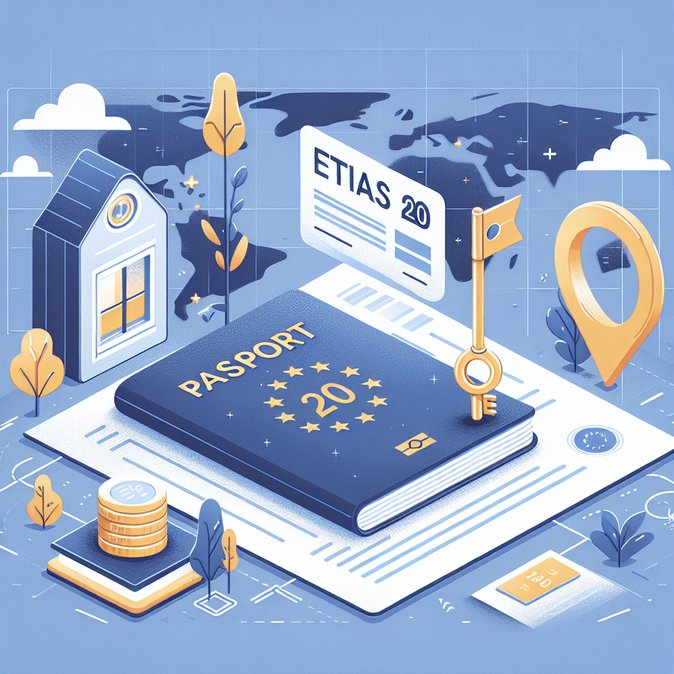
Expect more integration with digital ID systems, making paperwork faster and more secure. Some countries may even offer e-visas that update in real time.
Credit: www.visahq.com
Digital Nomad Community: Sharing Experiences
One of the best ways to stay updated is through community. Digital nomads often share:
- Visa success stories
- Mistakes to avoid
- Hidden requirements
Join forums or groups to get real-time advice. For verified information, rely on trusted sources like Wikipedia.
Online communities are also great for finding local contacts—people who have already gone through the process. They can recommend lawyers, translators, and insurance providers.
Some communities organize meetups or workshops about visa rules, helping you learn directly from experts.
Frequently Asked Questions
What Is A Visa Threshold?
A visa threshold is the minimum requirement—like income, insurance, or work type—you must meet to get a visa. It’s important for digital nomads because it decides if you qualify to live or work in a country.
How Often Do Visa Thresholds Change?
Visa thresholds change regularly, usually once a year or when governments update policies. Always check a tracker or official site before applying.
Can I Use The Same Documents For Multiple Countries?
Sometimes you can, but each country has unique document requirements. Make sure your papers are recent, translated if needed, and match the visa application rules.
What Happens If I Don’t Meet The Income Requirement?
If you don’t meet the income threshold, your application may be denied. Consider countries with lower requirements or improve your income before applying.
How Do I Avoid Overstaying My Visa?
Use reminders, check your tracker, and renew your visa before expiry. Overstaying can lead to fines or bans, so always plan ahead.
Is Health Insurance Always Required?
Most digital nomad visas require health insurance. Some countries demand high coverage, others have minimums. Always check the local rules.
What About Remote Work For A Company?
Some countries prefer applicants who work for foreign companies, not local. If you’re a freelancer, make sure your contracts are clear and up to date.
Final Thoughts
Staying ahead in the world of digital nomad visas means being informed and proactive. The Mid-2026 Visa Threshold Tracker is your best ally for planning, compliance, and freedom. As the rules change, your tracker keeps you updated, helping you avoid mistakes and make smart choices. Whether you’re moving for adventure, work, or lifestyle, understanding visa thresholds is the key to unlocking the world.
Take charge of your journey, connect with your community, and use reliable tools to stay on track. The world is open for those who plan wisely—make your next destination count.