The world is changing fast for digital nomads. As more people choose to work from their laptops, the search for the best destinations grows. Many nomads know about the Schengen Zone in Europe, with its easy travel rules between 27 countries. But what about the countries in Europe that are outside Schengen? By 2026, these non-Schengen countries are expected to become even more popular for digital nomads. They offer unique cultures, different costs, and often more flexible visa policies. If you want to escape the usual hot spots and discover new bases, this guide is for you.
This article dives deep into non-Schengen Europe for digital nomads in 2026. You’ll learn which countries are outside Schengen, why they matter, what life is like for remote workers, and how to make the most of your stay. Get ready to explore the new frontiers of remote work, beyond the usual European trail.
Understanding Non-schengen Europe
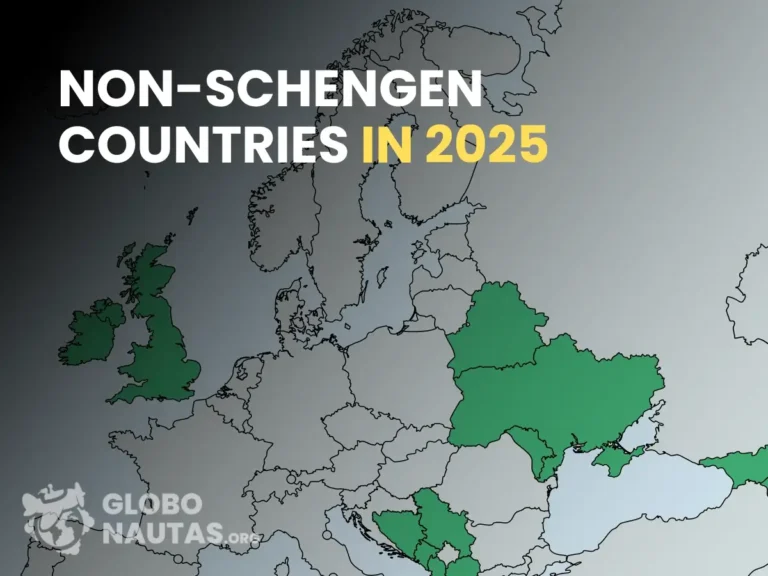
Many people confuse Europe with the Schengen Zone, but they are not the same. The Schengen Area is a group of European countries that have removed passport controls at their borders. Not every European country is a member. In fact, several key European nations are outside Schengen. These include:
- The United Kingdom
- Ireland
- Romania
- Bulgaria
- Croatia (joined Schengen in 2023, so not non-Schengen now)
- Cyprus
- Serbia
- Montenegro
- Albania
- North Macedonia
- Bosnia and Herzegovina
- Ukraine
- Moldova
- Georgia
- Turkey
- Armenia
- Azerbaijan
- Kosovo
- Russia (part European, but with complex entry rules)
- Belarus
Some of these countries are in the process of joining Schengen, while others are not interested or face political barriers. For digital nomads, this creates opportunities to reset Schengen visa time, discover new cultures, and avoid overcrowded destinations.
Why Non-schengen Europe Is A Smart Move For Digital Nomads
Non-Schengen Europe offers several clear benefits for remote workers:
- Visa Flexibility: Many non-Schengen countries have their own visa policies. This means you can often stay longer or apply for a digital nomad visa, then return to the Schengen Area later.
- Lower Cost of Living: Countries like Serbia or Albania are much cheaper than Western Europe. Rent, food, and transportation are affordable, making it easier to save money or bootstrap a new project.
- Unique Cultures and Experiences: Non-Schengen Europe is full of hidden gems, from the Ottoman history in Bosnia to the wine regions of Georgia. You can explore less-touristy places and avoid the crowds found in classic Schengen cities.
- Growing Digital Infrastructure: Many non-Schengen countries have fast internet, coworking spaces, and friendly remote work communities. Some, like Georgia and Estonia (Schengen candidate), are building policies to attract remote workers.
- Strategic Location: These countries often serve as travel hubs between Europe, Asia, and the Middle East. This makes them ideal for nomads who want to explore multiple regions.
Non-obvious insight: Some digital nomads use non-Schengen countries as “time-out zones” to reset their Schengen 90-day clock, but they discover unexpected benefits—like easier business setup or tax perks.
Key Non-schengen Countries For Digital Nomads In 2026
Let’s look at the top non-Schengen destinations in Europe for digital nomads, with practical details for each.
United Kingdom
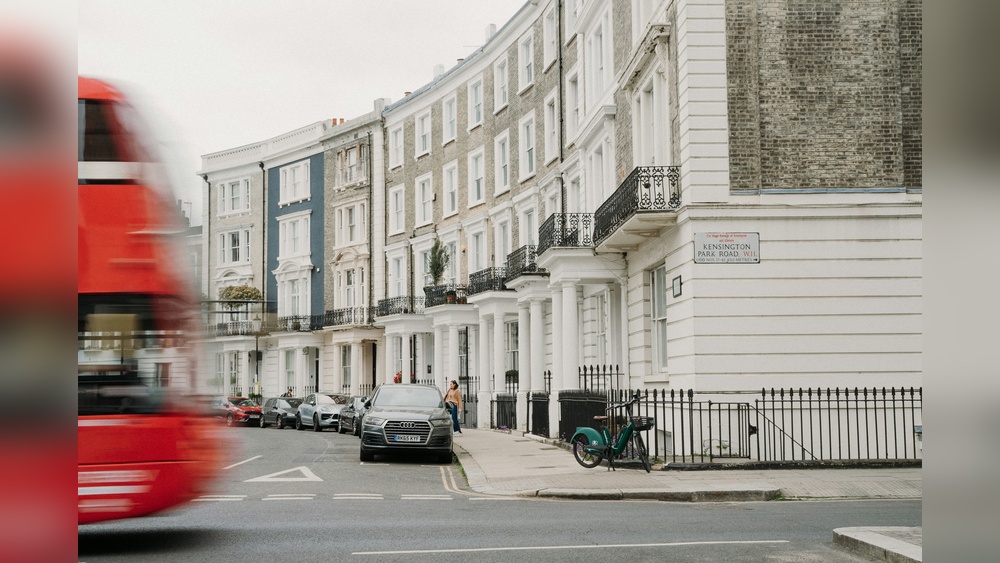
The UK remains outside Schengen and is a major hub for tech, finance, and creative industries. London is expensive but offers world-class coworking spaces, events, and a huge international community. For lower costs, cities like Manchester, Glasgow, or Bristol are popular with remote workers.
- Visa: No digital nomad visa yet, but US/EU citizens can usually stay 6 months as tourists. For longer stays, consider the UK’s “Innovator Founder” or work visas, though these have strict requirements.
- Internet: Reliable and fast, with 5G in major cities.
- Cost of Living: High in London, moderate elsewhere.
- Tip: The UK’s weather is famously rainy—if sunshine matters, consider the southwest coast or Scotland in summer.
Ireland
Ireland is famous for its friendly people, green landscapes, and tech scene. Dublin is the European HQ for many US tech giants. While it’s not part of Schengen, it offers easy access to the rest of Europe.
- Visa: US and EU citizens can enter for 90 days. No digital nomad visa, but business visas are available for some.
- Internet: Top quality, especially in cities.
- Cost of Living: High in Dublin, lower in smaller towns.
- Tip: Ireland’s tax regime is business-friendly but complex. Seek local advice if you plan to set up a company.
Romania
Romania is becoming a rising star for digital nomads. Bucharest, Cluj-Napoca, and Timisoara offer coworking spaces, lively expat communities, and low costs.
- Visa: Romania has a digital nomad visa (launched in 2022) allowing stays up to 12 months. Schengen entry is planned but not confirmed for 2026.
- Internet: Among the fastest in Europe—often 500+ Mbps in cities.
- Cost of Living: Low. Studio apartments in Bucharest start around $400/month.
- Tip: Romania has beautiful mountains and Black Sea beaches—weekend trips are easy and cheap.
Bulgaria
Bulgaria is a favorite for budget travelers. Sofia, Plovdiv, and the Black Sea coast attract remote workers with affordable rent, cheap food, and a relaxed vibe.
- Visa: Digital nomad visa introduced in 2023, allowing up to 1 year. EU/US citizens get 90 days visa-free.
- Internet: Excellent, with many cafes and coworking spaces.
- Cost of Living: One of the lowest in Europe.
- Tip: Bulgaria uses Cyrillic script. Learning the basics helps with daily life.
Cyprus
Cyprus is an island in the eastern Mediterranean. It’s not in Schengen, but it’s part of the EU. The city of Limassol is especially popular with remote workers.
- Visa: “Digital Nomad Visa” allows up to 1 year, extendable. US/EU citizens get 90 days visa-free.
- Internet: Good in cities, patchy in rural areas.
- Cost of Living: Moderate to high, but tax rates are competitive.
- Tip: Cyprus is divided into Greek and Turkish zones—double-check entry rules for each side.
Serbia
Serbia is a remote worker favorite, with Belgrade and Novi Sad offering a mix of history, nightlife, and affordable living.
- Visa: 90 days visa-free for many Western passports. Digital nomad visa in discussion for 2026.
- Internet: Reliable and fast in cities.
- Cost of Living: Rent is low; meals are cheap ($5-10 at restaurants).
- Tip: Serbia is not in the EU, so banking and money transfers may take longer.
Montenegro
Montenegro is famous for its coastline and mountains. The towns of Kotor and Budva are especially scenic.
- Visa: 90 days visa-free. Digital nomad visa launched in 2023 for up to 2 years.
- Internet: Good in cities and resorts.
- Cost of Living: Moderate.
- Tip: Summer can get crowded with tourists—try spring or fall for a quieter stay.
Albania
Albania is one of Europe’s most affordable countries. The cities of Tirana, Shkoder, and Saranda (on the coast) are becoming digital nomad hubs.
- Visa: US citizens can stay for up to 1 year visa-free; EU citizens 90 days.
- Internet: Fast in cities, improving in smaller towns.
- Cost of Living: Very low—apartments from $250/month.
- Tip: Albania is still developing its coworking scene, but the community is growing fast.
North Macedonia
North Macedonia offers mountain scenery, lake towns, and a laid-back lifestyle. Skopje and Ohrid are popular with remote workers.
- Visa: 90 days visa-free for many passports.
- Internet: Good in urban areas.
- Cost of Living: Low.
- Tip: English is widely spoken in tourist zones, but less so in rural areas.
Bosnia And Herzegovina
Bosnia and Herzegovina is less discovered by nomads but offers a mix of Ottoman, Slavic, and Austro-Hungarian cultures. Sarajevo and Mostar are the main cities for remote work.
- Visa: 90 days visa-free for US/EU citizens.
- Internet: Reliable in cities.
- Cost of Living: Low.
- Tip: Bosnia is outside the eurozone—expect to use local currency (BAM).
Ukraine
Despite the ongoing war, parts of western Ukraine are open to visitors and digital nomads in safe areas. Lviv and Kyiv have strong IT communities.
- Visa: 90 days visa-free for many Western passports.
- Internet: Very fast and cheap.
- Cost of Living: Low.
- Tip: Check travel advisories before planning a trip in 2026.
Moldova
Moldova is one of Europe’s least-visited countries, making it ideal for quiet work periods. Chisinau is the main city for nomads.
- Visa: 90 days visa-free for many.
- Internet: Reliable in urban areas.
- Cost of Living: Very low.
- Tip: Moldova has great wine regions worth exploring.
Georgia
Georgia (the country) is a rising digital nomad star. Tbilisi and Batumi have good infrastructure and a welcoming culture.
- Visa: “Remotely from Georgia” program allows many nationals to stay for 1 year.
- Internet: Good in cities.
- Cost of Living: Low.
- Tip: Georgia is not in the EU, but it is safe and very open to foreigners.
Turkey
Turkey bridges Europe and Asia, with Istanbul and the southwest coast (like Antalya) popular with remote workers.
- Visa: E-visa system for many countries, usually up to 90 days. “Tourist residence permit” is possible for longer stays.
- Internet: Reliable in cities, but can be slow in remote areas.
- Cost of Living: Moderate, but rising due to inflation.
- Tip: The time zone is ahead of most of Europe—good for working with Asian or Australian clients.
Armenia
Armenia is small, safe, and offers a unique culture. Yerevan is the main city for digital nomads.
- Visa: 180 days visa-free for US/EU citizens.
- Internet: Good in Yerevan.
- Cost of Living: Low.
- Tip: Armenia is mountainous—expect cold winters.
Azerbaijan
Azerbaijan is less known, but Baku has modern infrastructure and a growing startup scene.
- Visa: E-visa for 30 days; extensions possible.
- Internet: Good in cities.
- Cost of Living: Moderate.
- Tip: The culture is a blend of European and Asian influences.
Kosovo
Kosovo is Europe’s youngest country. Pristina is lively, with many young people and a growing digital scene.
- Visa: 90 days visa-free for US/EU citizens.
- Internet: Fast and reliable.
- Cost of Living: Very low.
- Tip: Kosovo is not recognized by all countries—border crossings can be tricky.
Russia & Belarus
Russia and Belarus are large and have unique cultures. However, political issues and visa complexity make them less practical for most digital nomads.
- Visa: Russian and Belarusian visas are hard to get and require invitations.
- Internet: Good in major cities.
- Cost of Living: Moderate.
- Tip: Not recommended for beginners due to bureaucracy and political risks.
Comparing Digital Nomad Visas And Entry Rules
To help you plan, here is a comparison of digital nomad visas and entry durations in key non-Schengen countries as of 2026.
| Country | Visa-Free Stay | Digital Nomad Visa? | Max Stay (Nomad Visa) |
|---|---|---|---|
| Romania | 90 days | Yes | 12 months |
| Bulgaria | 90 days | Yes | 12 months |
| Montenegro | 90 days | Yes | 24 months |
| Cyprus | 90 days | Yes | 12 months |
| Georgia | 365 days | Yes | 12 months |
| Serbia | 90 days | In discussion | — |
| Albania | 365 days (US) | No | — |
Non-obvious insight: Not all digital nomad visas are equal. Some require high income proof (e.g., €3,500/month for Cyprus), while others, like Georgia, are very open. Always check requirements before you apply.

Credit: wifitribe.co
Cost Of Living: Non-schengen Europe Vs Schengen
Many digital nomads are cost-sensitive. Here’s a comparison of average monthly living costs for a single person in some popular non-Schengen and Schengen cities (2026 estimates).
| City | Country | Rent (1BR, center) | Monthly Total (food, transit, etc.) |
|---|---|---|---|
| Bucharest | Romania | $400 | $900 |
| Sofia | Bulgaria | $350 | $800 |
| Belgrade | Serbia | $500 | $1,000 |
| Tbilisi | Georgia | $350 | $800 |
| Berlin | Germany (Schengen) | $1,500 | $2,300 |
| Barcelona | Spain (Schengen) | $1,700 | $2,700 |
Practical tip: Non-Schengen cities are not just cheaper—they often have less competition for apartments and coworking spaces, making your daily life smoother.
Remote Work Infrastructure
A strong remote work setup is essential. Here’s how non-Schengen Europe stacks up:
- Internet Speed: Romania, Bulgaria, and Georgia are famous for some of the fastest internet in the world. Even small towns often have fiber connections.
- Coworking Spaces: Major cities like Bucharest, Sofia, Belgrade, and Tbilisi have modern coworking spaces. Prices start around $100/month for a desk.
- SIM Cards and Mobile Internet: Prepaid SIM cards are easy to buy. Expect to pay $10-20/month for unlimited data in most countries.
- Cafés for Work: Unlike some Western European cities, working from cafés is welcomed. Many have power outlets and good coffee.
Example: In Bucharest, you can join a coworking space for $120/month, with 24/7 access and free coffee. In Tbilisi, you’ll find digital nomad meetups almost every week.
Community And Networking
Building a network is important for digital nomads. Non-Schengen Europe is catching up:
- Meetups: Most big cities have regular events for remote workers, tech freelancers, and entrepreneurs. Search on Facebook or Meetup.com.
- Expat Groups: Telegram and WhatsApp groups help you connect for housing, events, or even hiking trips.
- Startup Hubs: Bucharest, Belgrade, Tbilisi, and Baku are all growing as tech and startup centers.
Non-obvious insight: In smaller countries like Albania or Georgia, it’s easier to make friends. The expat community is tight-knit, and locals are often curious about digital nomads.
Safety And Healthcare
Safety varies, but most non-Schengen countries are as safe as Western Europe.
- Crime: Petty theft can happen, but violent crime is rare.
- Healthcare: Private clinics are available in cities. Bring good travel insurance—public healthcare may not cover foreigners.
- Political Stability: Monitor news for updates in the Balkans, Ukraine, or the Caucasus, as situations can change.
Example: Georgia and Montenegro are known for low crime rates and welcoming attitudes.

Credit: www.jobbatical.com
Tax And Legal Considerations
Taxes can be complex for digital nomads, especially if you stay longer than 183 days (you may become a tax resident). Some countries, like Georgia and Cyprus, offer tax breaks for foreigners. Others may tax your worldwide income.
- Tip: Always speak with a tax advisor before staying long-term or starting a business.
- Banking: Opening a bank account is easy in Georgia, but harder in Serbia or Albania without a residence permit.
- Business Setup: Some countries, like Georgia, allow you to register a company as a foreigner in just a few days.
Travel Logistics: Borders, Flights, And Language
Travel in non-Schengen Europe is usually straightforward, but there are a few extra steps:
- Border Checks: Unlike Schengen, you’ll face passport checks at country borders. Keep documents ready.
- Flights and Buses: Low-cost airlines (like Wizz Air and Ryanair) connect most capitals. Buses and trains are cheap and frequent.
- Language: English is spoken in cities, but less so in rural areas. Learn a few local phrases—it makes life easier and builds goodwill.
- Currency: Not all countries use the euro. Bring a multi-currency card (like Wise or Revolut).
Example: Traveling from Sofia to Belgrade by bus takes 6 hours and costs about $30, but you’ll need to show your passport at the border.
Credit: globonautas.org
Avoiding Common Mistakes
Digital nomads often repeat the same errors when exploring non-Schengen Europe:
- Overstaying Visas: Always check entry and exit stamps. Overstaying can get you banned from a country.
- Ignoring Local Laws: Each country has different rules about work, business, and taxes. Don’t assume you can freelance legally everywhere.
- Forgetting Travel Insurance: Healthcare can be expensive for foreigners, so always have coverage.
- Missing Out on Local Culture: Don’t just work in coworking spaces—get out, explore, and meet locals.
- Underestimating Weather: Some regions have harsh winters or hot summers. Research the climate before you go.
Pro tip: Always check local expat forums before arriving. Rules and costs can change quickly.
The Future Of Non-schengen Europe For Digital Nomads
By 2026, non-Schengen Europe will be even more attractive to digital nomads. More countries are launching digital nomad visas, investing in better infrastructure, and building global communities. As remote work grows, expect to see new coworking spaces, more international events, and friendlier visa policies.
If you want to stay ahead of the crowd, now is the time to explore these “off the beaten path” countries. You’ll find lower costs, less competition, and a chance to be part of Europe’s next big digital nomad wave.
To learn more about the latest digital nomad visa updates in Europe, check out Wikipedia’s Digital Nomad Visa page.
Frequently Asked Questions
What Is The Difference Between Schengen And Non-schengen Europe?
The Schengen Area is a group of European countries with open borders and unified visa rules. Non-Schengen Europe includes countries that are not part of this agreement, so they have their own border controls and visa systems.
Can I Reset My Schengen Visa By Staying In Non-schengen Europe?
Yes. Many digital nomads spend 90 days in Schengen, then move to non-Schengen Europe to “reset” their Schengen time. After 90 days outside, you can usually return to Schengen for another 90 days.
Which Non-schengen Country Is Best For Remote Workers In 2026?
It depends on your needs. Romania, Georgia, and Serbia are popular for fast internet and low costs. Cyprus and Montenegro offer sunny climates and digital nomad visas. Research your favorite options before deciding.
Do I Need A Digital Nomad Visa To Work Remotely In Non-schengen Europe?
Not always. Many countries allow remote work on a tourist visa for short stays. For longer stays, a digital nomad visa is safer and can help with banking, rentals, and taxes.
Are Non-schengen Countries Safe For Solo Digital Nomads?
Most non-Schengen countries in Europe are safe for solo travelers. Take normal precautions, especially in unfamiliar areas. Connect with other nomads and expats for advice and support.
Exploring non-Schengen Europe in 2026 gives digital nomads new choices, flexibility, and the chance to build a unique lifestyle. The future belongs to those who look beyond the usual paths—start planning your next adventure now.